

 dinero_admin
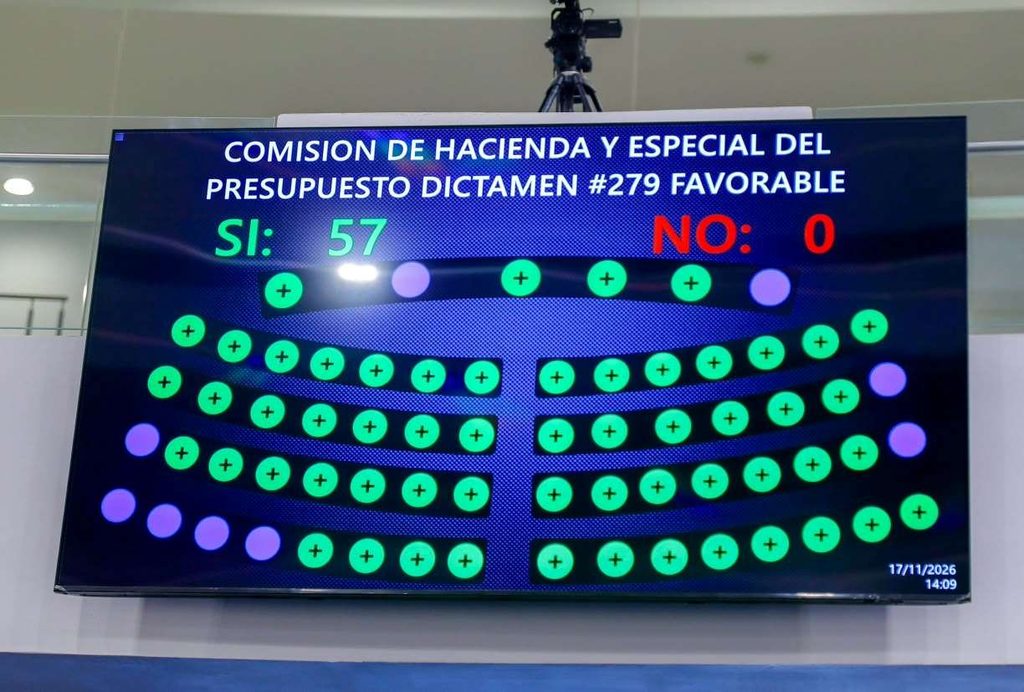
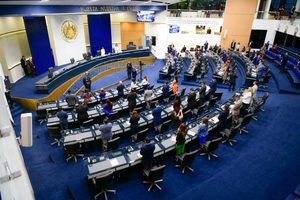
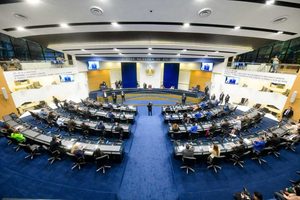
The Legislative Assembly has ratified, with 57 votes, a financing package of up to US$50 million aimed at strengthening the capabilities of the Banco Central de Reserva (BCR) to produce more accurate and timely economic statistics. These funds will enable the updating of information on the country’s productive activities, the development of a new economic census, and the modernization of the technological tools used to collect and process data.
The loan agreement was signed on october 26 of this year between the Ministry of Finance and the Inter-American Development Bank (IDB) and will fund the Program for the Strengthening of Economic Statistics. This initiative seeks to improve the availability and quality of information used to understand the performance of the Salvadoran economy and its various sectors.
A key component of the program is the 8th Economic Census,a data-collection effort that will update national records regarding business establishments and economic activities. This process is particularly significant, as the last census of this kind was conducted in 2005; it therefore presents a new opportunity to assess the changes that have taken place within the country’s productive structure.
A notable feature of this edition is the inclusion of the informal sector, which had not been covered in previous surveys. This will broaden the scope of recorded income-generating activities that contribute to the national economy, providing a more comprehensive view of the businesses and establishments operating in El Salvador.
The program also includes the creation of an “Economic Cartography 2026”, a tool designed to identify and geographically locate economic establishments across the national territory. To carry out this work, data will be gathered from the country’s 14 departments, 44 municipalities, and 262 districts, with the goal of establishing records that facilitate the analysis of how productive activities are distributed.
In addition to updating economic information, the funding will enhance the BCR’s technical and operational capacity through the integration of new digital tools. Planned initiatives include the implementation of a digital system to streamline data collection and processing, as well as the strengthening of the institution’s IT infrastructure.
Another component involves improving cybersecurity mechanisms to better protect the systems and data managed during the production of economic statistics. These technological investments are intended to facilitate the institution’s work and ensure that data is available with greater quality and timeliness.
Finally, the program includes training and technical assistance for staff responsible for conducting economic censuses and surveys. Through these efforts, the BCR aims to bolster its ability to produce up-to-date statistical information, providing a more precise understanding of the country’s economic reality and supporting analysis and decision-making.
You may also want to read: