

 A. M.
A. M. 
The tourism sector continues to consolidate its position as one of the main drivers of the salvadoran economy, registering growth of over 7% in foreign exchange earnings, according to the minister of Tourism, Morena Valdez, during a radio interview.
The head of the Ministerio de Turismo (MITUR) highlighted that, as of november this year, El Salvador had accumulated more than US$3.25 billion in tourism revenue, a figure that reflects the direct impact of the arrival of domestic and international visitors and which, according to official projections, will exceed the target of US$3.5 billion by the end of the year.
Valdez stressed that this increase in foreign exchange translates into a sustained economic spillover in the country’s various tourist destinations, benefiting sectors such as accommodation, food, transportation, commerce, and services. “The growth in foreign exchange income is key because it boosts local economies and strengthens job creation”, she said.
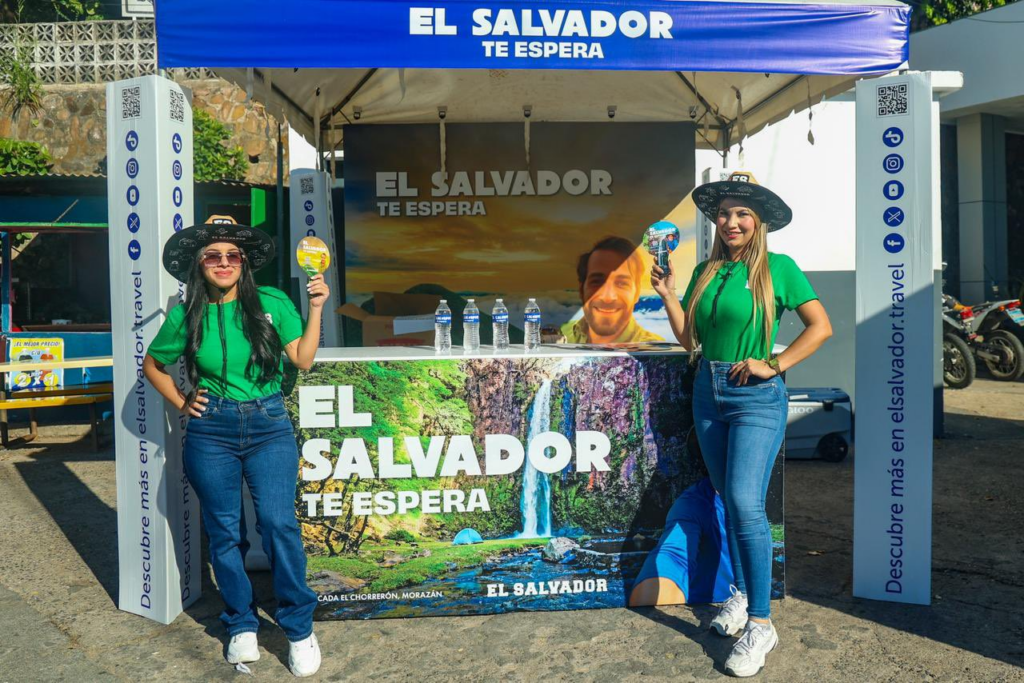
The sector’s positive performance has been supported by an increase in international visitors. As of december 27, the country had registered 141,000 foreign tourists, mainly from the United States, Guatemala, and Honduras, as well as growth in visitors from other regions of the world. This steady flow has reinforced tourism’s contribution to the national income balance.
The minister explained that the growth in foreign exchange also responds to a comprehensive strategy that combines security, international promotion, and diversification of the tourism offer, which has made it possible to attract tourists to different areas of the country and extend the length of stay and average spending of visitors.
Although the end-of-year festivities drove high tourist traffic, Valdez emphasized that the economic impact goes beyond visitor numbers. “The most important thing is that we are seeing real growth in the revenue generated by tourism, and that is what strengthens the economy”, she said.
This dynamism has also contributed to the creation of more than 300,000 direct and indirect jobs, consolidating tourism as a strategic sector for economic development. The minister highlighted that joint efforts between the public and private sectors have been crucial in achieving these results, especially in promoting the country as a safe and competitive destination.
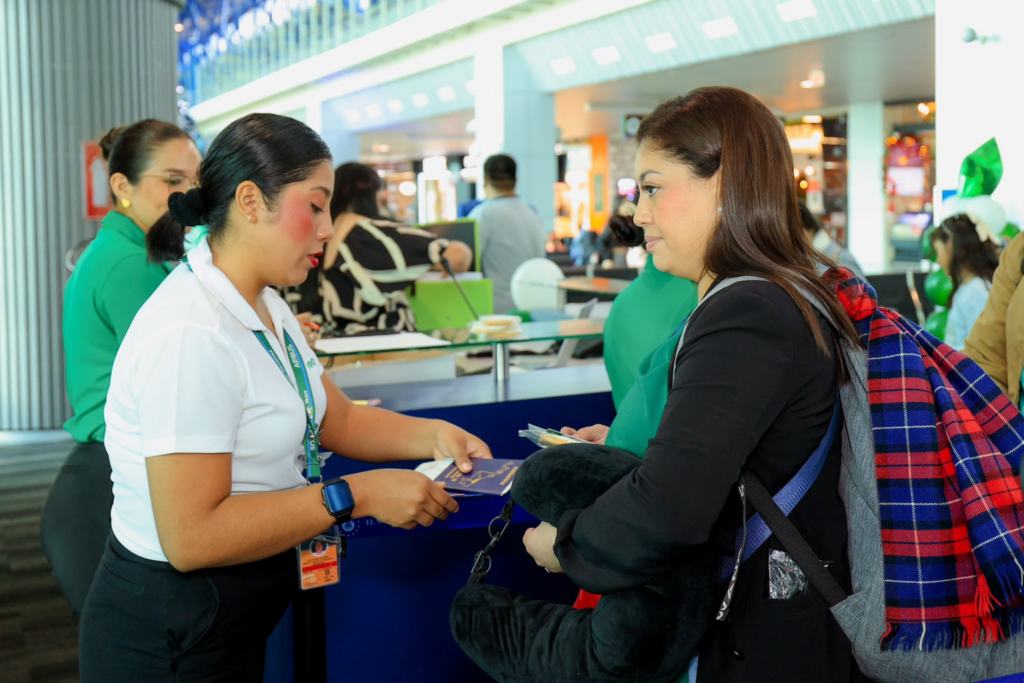
Looking ahead to 2026, the authorities plan to maintain this positive trend by attracting international events, cruises, and sporting and cultural activities, with the aim of continuing to increase foreign exchange earnings and expanding the economic impact of tourism throughout the country.
With growth of over 7% in foreign exchange and targets that point to new records, tourism is reaffirming itself as a key pillar of the salvadoran economy and a determining factor in the generation of opportunities and development.
You can also read: