

 A. M.
A. M. 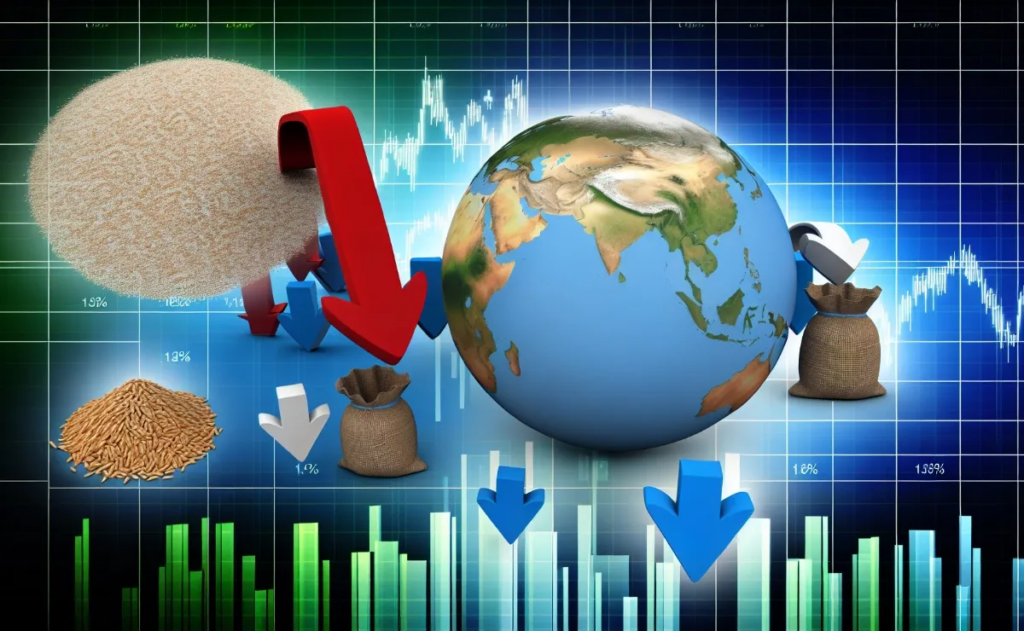
International commodity prices are expected to continue their downward trend in 2026, according to the latest projections from the World Bank, which anticipate an average decline of around 7%. If this scenario is confirmed, it would be the fourth consecutive year of moderation in global commodity markets, in a context marked by limited global economic growth, persistent trade tensions, regulatory uncertainty, and ample oil supply.
According to the multilateral organization, the decline would be led by the energy sector. After an estimated 12% decline in 2025, energy prices would fall another 10% in 2026. In contrast, prices for industrial metals and minerals would remain largely stable, while agricultural products would see a slight decline, benefiting from more favorable weather conditions and sufficient supply. The World Bank expects precious metals to rise by around 5% next year, prolonging the strong rebound seen recently.
Recent market context
The World Bank notes that in recent months commodity markets have been under pressure from moderate economic activity, international trade restrictions, regulatory uncertainty, and supply shocks associated with climate events. In this environment, the price of Brent crude oil fell significantly during much of 2025 due to excess supply and weaker demand, especially from China, although some geopolitical events caused temporary increases.
In contrast, natural gas prices rose, driven by strong demand for liquefied natural gas (LNG) in Europe. Base metals showed a recovery during the second half of 2025, supported by more resilient global demand and supply disruptions, particularly in the copper market. At the same time, precious metals reached historic highs, driven by investment demand, sustained purchases by central banks, and growing geopolitical uncertainty.
Oil: rising supply and weak demand
According to the World Bank’s analysis, the oil market faces a clear imbalance between supply and demand. OPEC+ decisions to gradually increase production have raised global supply by around three million barrels per day during 2025, while demand has grown at a rate of less than one million barrels per day.
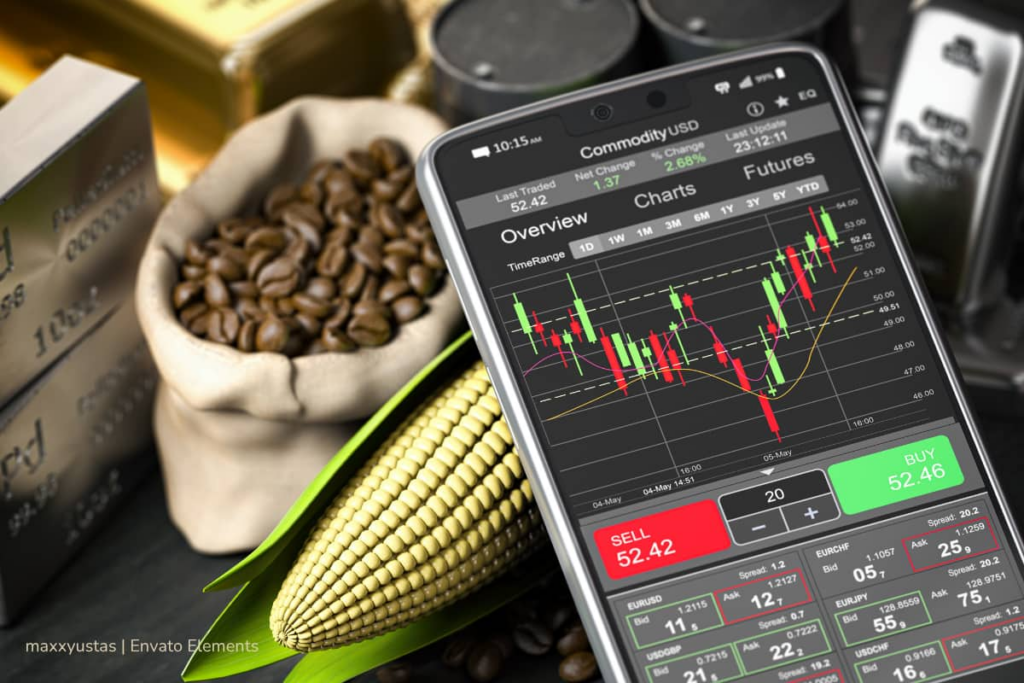
This surplus scenario would lead to an average Brent price of around $68 per barrel in 2025, representing a sharp reduction from the previous year, and continue to decline to around $60 per barrel in 2026.
Natural gas with different regional behaviors
The World Bank warns that natural gas prices will follow different trajectories depending on the region. In the United States, prices have been driven by growing demand for LNG exports, while in Europe, prices have remained relatively stable following adjustments at the beginning of the year.
Looking ahead, prices in the United States are expected to continue rising in 2026, while in Europe they could decline, supported by moderate demand and greater availability of LNG on the international market.
Agriculture: greater price balance
In the agricultural sector, the World Bank reports that prices have fallen thanks to abundant harvests and favorable supply conditions. The agricultural price index has already recorded consecutive declines and is expected to decrease slightly in 2026, with more marked reductions in products such as beverages, due to increased production.
However, the agency warned that factors such as extreme weather events, variations in input costs, or changes in trade policies could alter these projections.
Fertilizers and metals: opposing dynamics
Unlike food, fertilizers have experienced significant price increases. The World Bank attributes this behavior to strong demand, trade restrictions, and higher production costs, especially related to energy. Although prices are expected to moderate in the coming years, they will remain high compared to historical averages.
In terms of base metals, investment in renewable energy and infrastructure has sustained demand for materials such as aluminum and copper. However, weakness in China’s real estate sector continues to put downward pressure on iron ore prices, a trend that is expected to continue in the coming years.
Precious metals: a haven amid uncertainty
The World Bank highlights that gold, silver, and platinum have been driven by the search for safe assets, record purchases by central banks, and an uncertain global environment. Although the pace of price growth is expected to be more moderate in the coming years, these metals will continue to be supported by expectations of more flexible monetary policies and persistent geopolitical tensions.
Overall, the World Bank report paints a picture of general moderation in commodity markets, with differentiated impacts across sectors and significant implications for economies dependent on these raw materials.
You can also read: