

 A. M.
A. M. 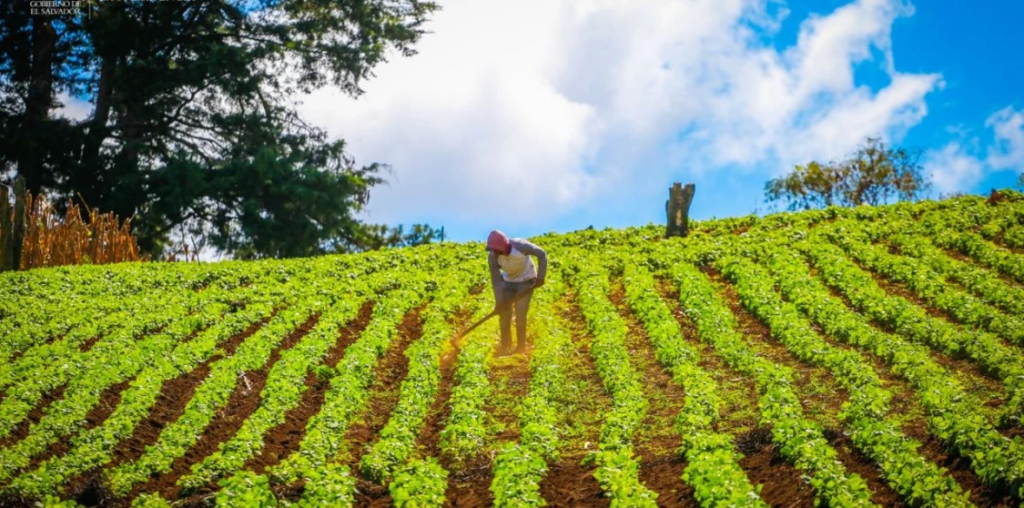
El Salvador’s economic activity registered a significant rebound in october 2025. The Economic Activity Volume Index (IVAE), in its seasonally adjusted series, grew 2.1% compared to September, according to data published by the Banco Central de Reserva (BCR).
According to the BCR, the IVAE rose from 128.6 points in september to 129.8 points in october, confirming the monthly growth calculated based on the index’s real variation. As a seasonally adjusted series, the indicator allows for a clearer view of the underlying economic behavior and the pace of the country’s productive activity.
What does the IVAE measure and why is it important?
The IVAE is one of the main indicators used by the BCR to monitor the short-term evolution of the salvadoran economy. It functions as a thermometer of productive activity, since it integrates information from various economic sectors and allows for anticipating economic growth trends before the official Gross Domestic Product (GDP) figures are published.
When adjusted for seasonal factors (such as holidays, agricultural cycles, or peak consumption seasons), the seasonally adjusted IVAE series offers a more accurate view of the economy’s real month-to-month performance.
Sectors that drove growth
The increase in the IVAE in October 2025 was supported by the positive performance of several key sectors:
Agriculture, livestock, forestry, and fishing showed improvement, rising from 100.5 to 101.9 points, reflecting a recovery in primary activities.
Trade, transportation, storage, accommodation, and food services advanced from 132.0 to 132.3, demonstrating increased commercial and service activity.
Information and communications registered significant growth, rising from 137.5 to 138.5, in line with the higher demand for technology and connectivity services. Financial and insurance activities showed one of the largest increases, going from 181.4 to 186.1, suggesting greater dynamism in the financial system.
Professional, scientific, technical, and administrative activities increased slightly from 146.3 to 146.5, maintaining a stable trend.
Public administration, defense, education, health, and social assistance showed notable growth, rising from 114.7 to 117.8, reflecting greater activity in public and social services.
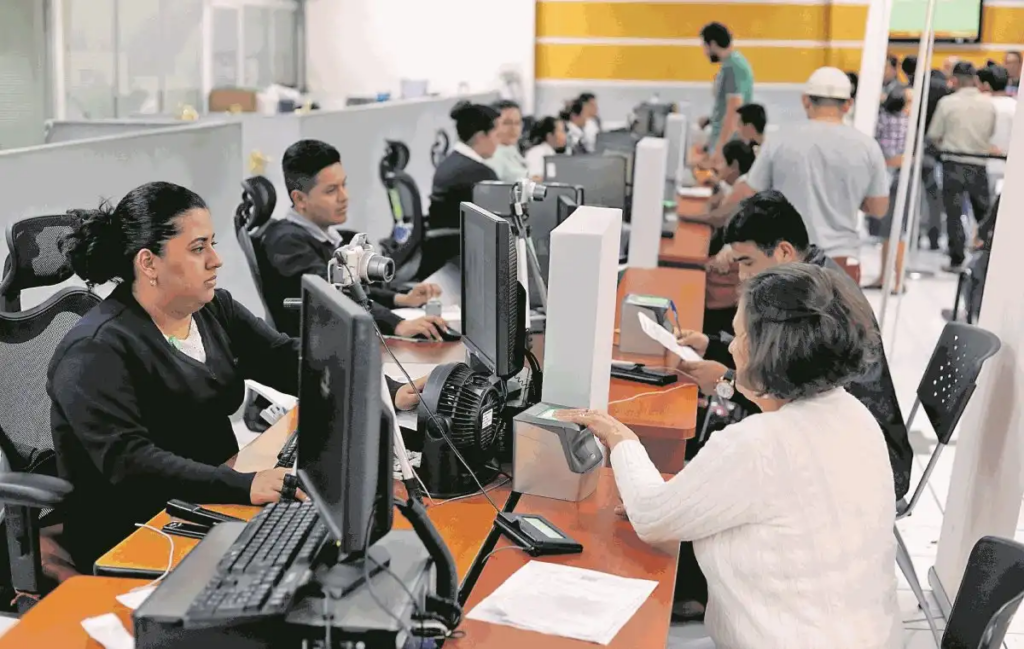
In contrast, some sectors showed slight declines or stability. Industry remained virtually unchanged, while construction and real estate activities registered small drops, although without affecting the overall index result.
Positive annual trend
Comparing the results for october 2025 with the same month in 2024, when the IVAE stood at 127.4 points, a sustained upward trend is observed. Since january 2025, when the index was at 126.7, economic activity has shown intermittent gains, culminating in the 129.8 points recorded in october.
This behavior suggests that, despite some sectoral fluctuations, the salvadoran economy has maintained a moderate growth trajectory throughout the year. Preliminary projections from the BCR indicate that the Economic Activity Index (IVAE) could close november and december 2025 at around 130 points, reinforcing this positive trend.
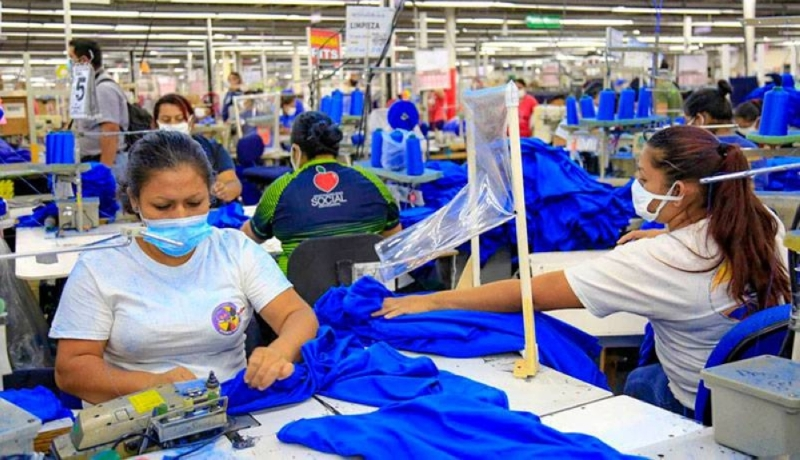
Overall, the 2.1% increase in the IVAE in october 2025 confirms greater dynamism in the salvadoran economy, driven primarily by services, financial activities, and the public sector. This indicator strengthens expectations for a more favorable year-end economic performance and establishes a positive foundation for the start of 2026.
You can also read: