


 A. M.
A. M. 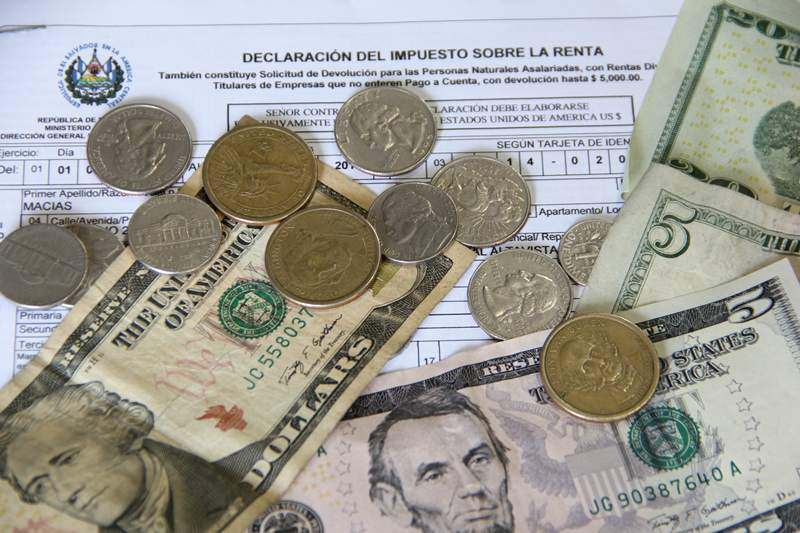
In El Salvador, individuals (that is, citizens who generate income from their work, professional, commercial, or asset-related activities) are subject to various taxes. These taxes not only represent a legal obligation but also play a key role in the functioning of the State, as they finance public services, infrastructure projects, and social programs that benefit the entire population.
One of the main taxes paid by individuals is Income Tax (ISR). This is applied to income earned during a year, whether from salaries, professional fees, rent, commercial activities, or other sources. ISR is progressive, meaning that those who earn more pay a higher percentage. Its objective is to contribute equitably to the financing of the State, and the resources collected are allocated to areas such as education, health, security, and social support programs.
Another important tax is the Value Added Tax (VAT), which individuals pay indirectly each time they consume taxable goods or services. Although VAT is collected by businesses, the final consumer ultimately bears the cost when paying the price of the product or service. This tax is one of the main sources of government revenue and is used to fund public spending, road maintenance, municipal services, and the operation of state institutions.

Individuals who own real estate must also pay municipal taxes, such as service fees and, in some cases, property taxes. These funds are managed by municipalities and are used for the maintenance of streets, parks, markets, waste collection, and other local services that directly impact the quality of life in communities.
In the case of those who carry out economic activities on their own account (such as merchants, entrepreneurs, or independent professionals), in addition to Income Tax (ISR) and Value Added Tax (IVA), there may be additional tax obligations, such as filing periodic tax returns and making estimated tax payments. These mechanisms allow the State to monitor economic activity and ensure consistent revenue collection throughout the year.
There are also specific taxes that individuals pay when carrying out certain actions, such as purchasing vehicles, consuming fuel, alcoholic beverages, or tobacco products. These taxes typically serve a regulatory or compensatory purpose, whether to cover environmental, public health, or infrastructure costs related to these activities.

Paying taxes fulfills a fundamental social function. Through them, the State can invest in hospitals, schools, public safety, social assistance programs, infrastructure, and economic development. Furthermore, they contribute to reducing inequality and ensuring that basic services reach more people.
Understanding which taxes are paid and what they are used for allows individuals to assume a responsible fiscal role. Beyond being a legal obligation, tax compliance strengthens public finances and contributes to the country’s sustainable development, benefiting both taxpayers and society.
You can also read: