


 A. M.
A. M. 
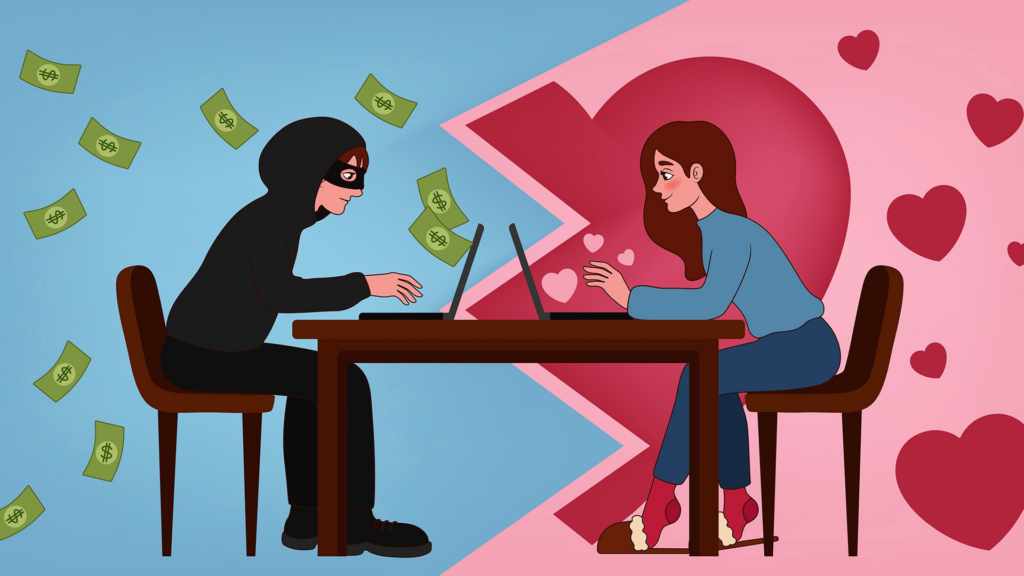
Social networks have become a space for meeting, communication and personal relationships. However, they have also been used by criminals who use fake profiles to scam people through emotional deception. One of the most common and dangerous modalities is known as romance scam, a fraud that combines emotional manipulation with financial losses.
This type of scam usually starts when an unknown person contacts the victim through social networks, dating applications or messaging platforms. The scammer creates an attractive profile, often posing as someone foreign, such as a supposed Asian, European or American citizen, with professional photos and a well-crafted life story. In a short time, it seeks to generate trust and emotional closeness.

As the conversation progresses, the scammer begins to express intense feelings, talking about love, future plans, and even marriage. In many cases, they promise to visit the victim or send them expensive gifts such as jewelry, money, or high-value packages. Everything seems credible until the problem arises: the victim is informed that they must pay a sum of money to cover alleged shipping costs, taxes, customs or special procedures.
Payment is often requested urgently and through difficult-to-trace means, such as international transfers, gift cards, cryptocurrencies, or money transfer services. Once the victim makes the payment, the scammer disappears, blocks contact or makes up new excuses to continue requesting money. The gifts never arrive and the affected person is left with an economic and emotional loss.
This fraud is classified as romantic scam or sentimental fraud, a modality that takes advantage of people’s trust, loneliness or desire for affection. Authorities and cybersecurity experts warn that it does not distinguish age, gender or educational level, since the deception is based on emotional manipulation rather than technical aspects.
To prevent this type of scam, specialists recommend distrusting people who declare love in a short time or who avoid face-to-face meetings. It’s also a red flag when someone claims to have trouble making a video call or constantly makes excuses for not showing their real surroundings. Checking profile photos, reviewing account age, and looking for inconsistencies in their stories can help spot fake profiles.
You should never send money, personal data or financial information to people you only know online. It is also not advisable to share copies of documents, addresses or banking information. If there is any suspicion, the most prudent thing is to cut off communication and report the profile to the corresponding social network.
Romance scams not only cause financial losses, but also emotional damage. Getting informed, talking about it and warning family and friends is key to reducing the impact of this type of digital crime. In an increasingly connected environment, prevention and caution remain the best tools to protect yourself.
You can also read: