

 A. M.
A. M. 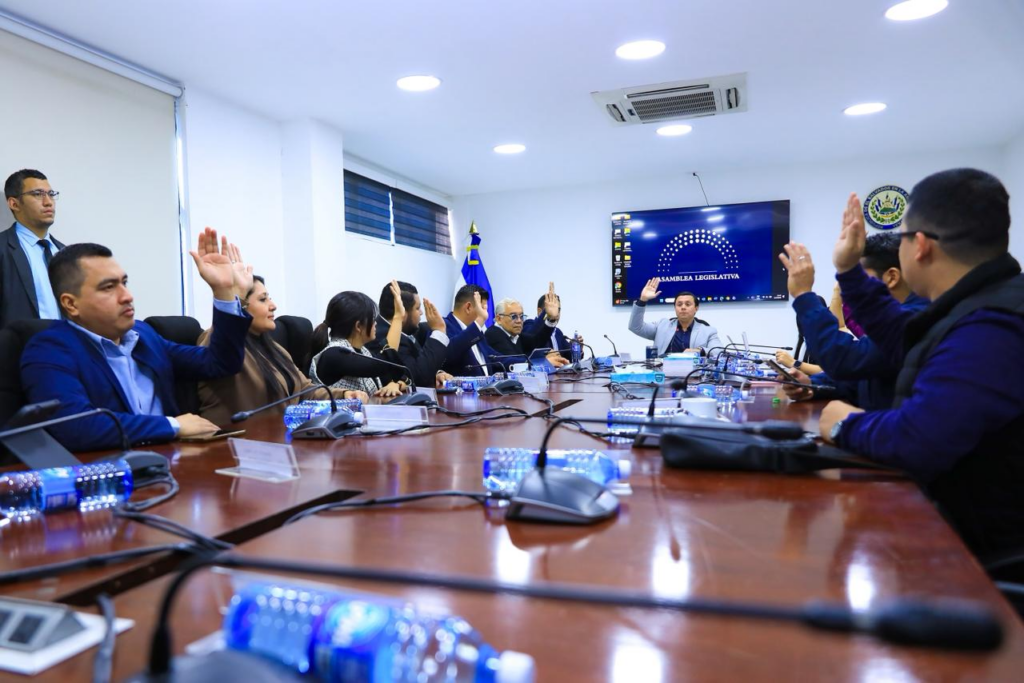
El Salvador is moving forward with the creation of a legal framework to strengthen the fishing and aquaculture sector, after the Health, Agriculture, and Environment Commission issued a favorable opinion on regulations aimed at regulating these activities with a focus on sustainability and economic development. The initiative is now awaiting consideration and approval by the Legislative Assembly at its next plenary session.
The proposal envisages the creation of the Autoridad Salvadoreña de Economía Azul (ASEA), an autonomous institution attached to the Ministry of Economy, which will be responsible for planning, coordinating, and implementing public policies related to fishing, aquaculture, and related activities, promoting the responsible use of marine and freshwater resources.
During the study of the initiative, it was explained that the blue economy approach seeks to integrate economic growth with the protection of ecosystems, promoting the sustainable use of natural resources through innovation, technology, and good production practices. This model aims to generate employment, strengthen food security, and boost strategic sectors without compromising environmental balance.

The future Authority will be the governing body for the fisheries and aquaculture sector in the country. Its main functions will include regulating the use of hydrobiological resources, authorizing, monitoring, and inspecting sector activities, as well as guaranteeing the traceability, quality, and safety of products reaching the market.
Likewise, ASEA will promote productive development by strengthening the value chain, fostering innovation and market access, and promoting circular economy principles. It is also expected to stimulate scientific research, technology transfer, and collaborative work with public institutions, the private sector, and international organizations.
The regulations also establish a sanctions regime that empowers the new Authority to initiate administrative proceedings and apply sanctions for violations of the law, including preventive measures such as suspensions or temporary restrictions, without excluding other legal liabilities in environmental, civil, or criminal matters.

Regarding its financing, ASEA would be funded by the General State Budget, revenue from services, international cooperation, donations, and other funds permitted by law, and will be subject to the corresponding oversight mechanisms.
With this initiative, El Salvador seeks to organize and strengthen the fishing and aquaculture sector, aiming for a blue economy that combines economic growth, environmental protection, and social well-being, pending approval of the legislation by the full legislature in the coming days.
You can also read: