

 A. M.
A. M. 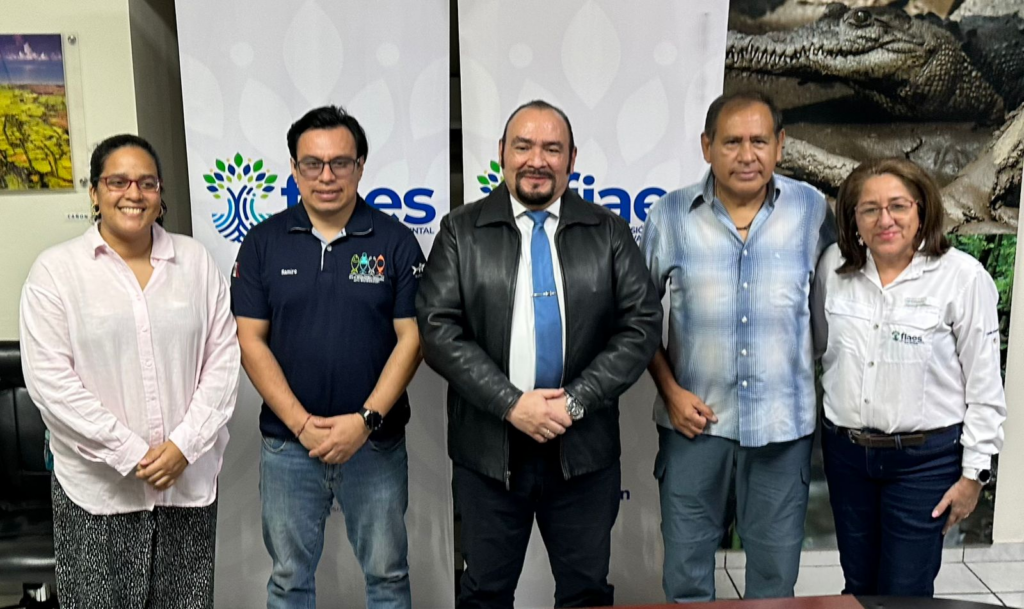
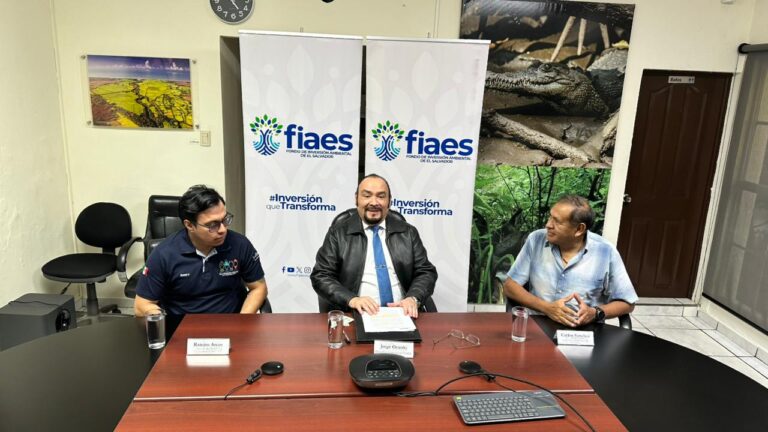
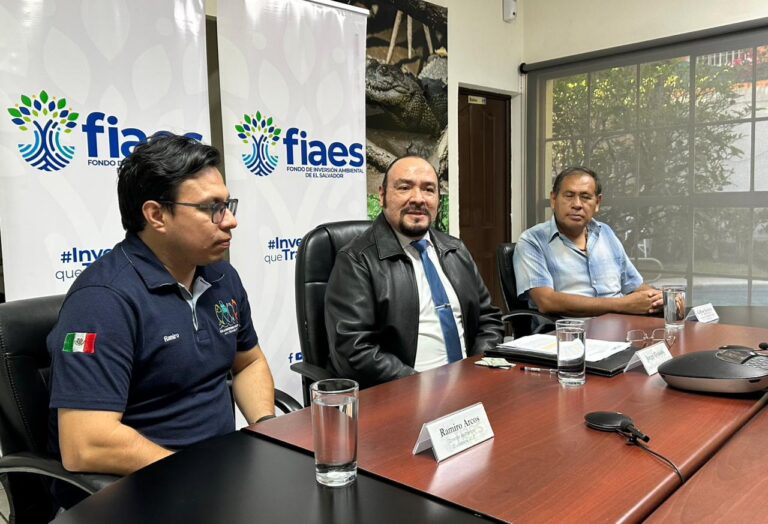
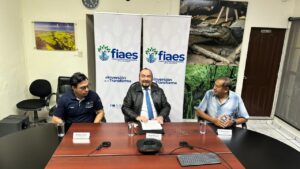
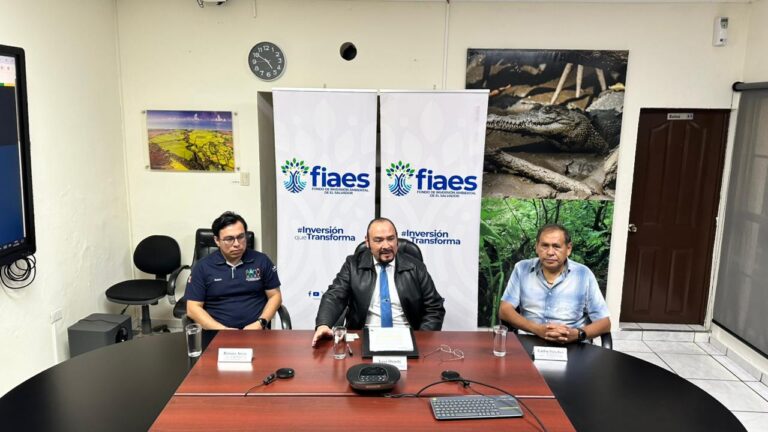
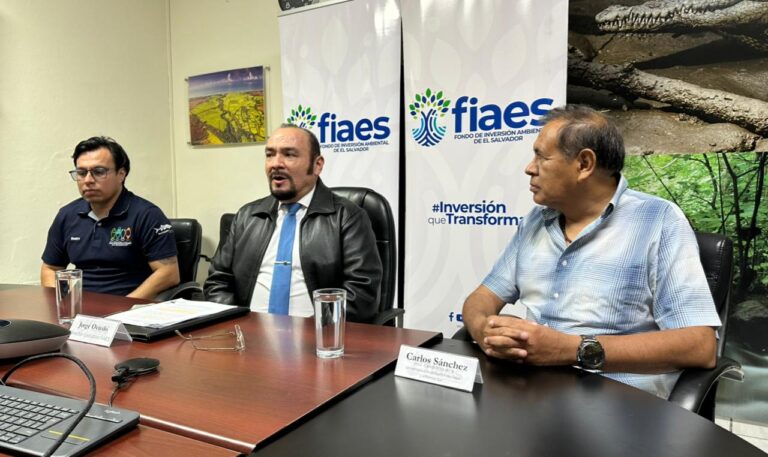
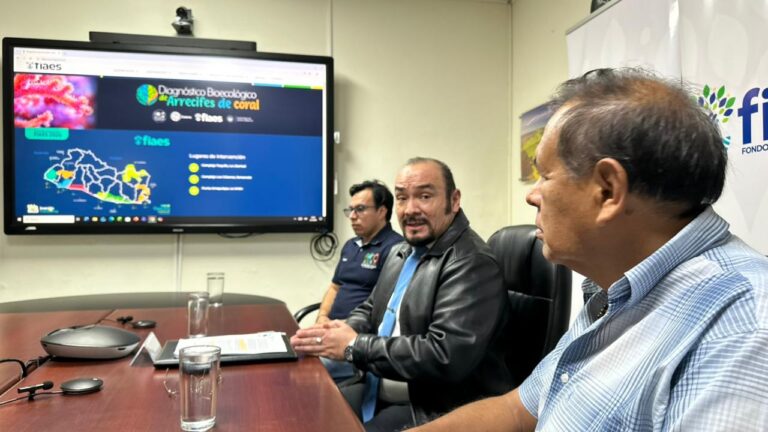
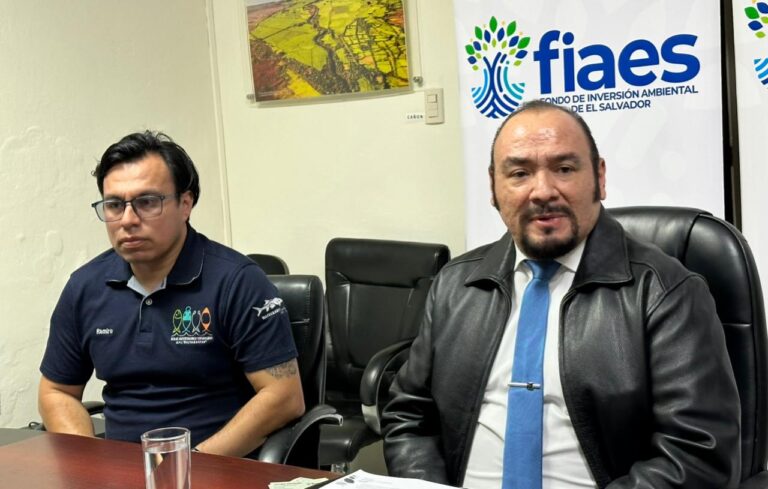
The Fondo de Inversión Ambiental de El Salvador (FIAES) welcomed a research team from the Red de Observadores Ciudadanos de Baja California (ROC) and Universidad Autónoma de Baja California Sur (UABCS), on monday. The team is joining the country to participate in the activities of the “Comprehensive Bioecological Assessment and Health Status of the Salvadoran Reef Ecosystem” project.
This visit marks a milestone in the implementation of the agreement signed between FIAES and the Red de Observadores Ciudadanos (ROC),with the support of the Ministerio de Medio Ambiente y Recursos Naturales (MARN). The project is part of the Conservación de Bosques Tropicales y Arrecifes de Coral (TFCCA), a commitment between El Salvador and the United States that allocates $21 million over 10 years for coastal, marine, and forest conservation in the country.
The project represents the first comprehensive bioecological assessment of the reef ecosystem in El Salvador and is one of the TFCCA’s most strategic actions regarding reefs. Its objective is to generate a standardized scientific baseline that will allow for an understanding of the current state of the reefs, identify the factors that affect them, and guide conservation, restoration, and management actions based on scientific evidence.
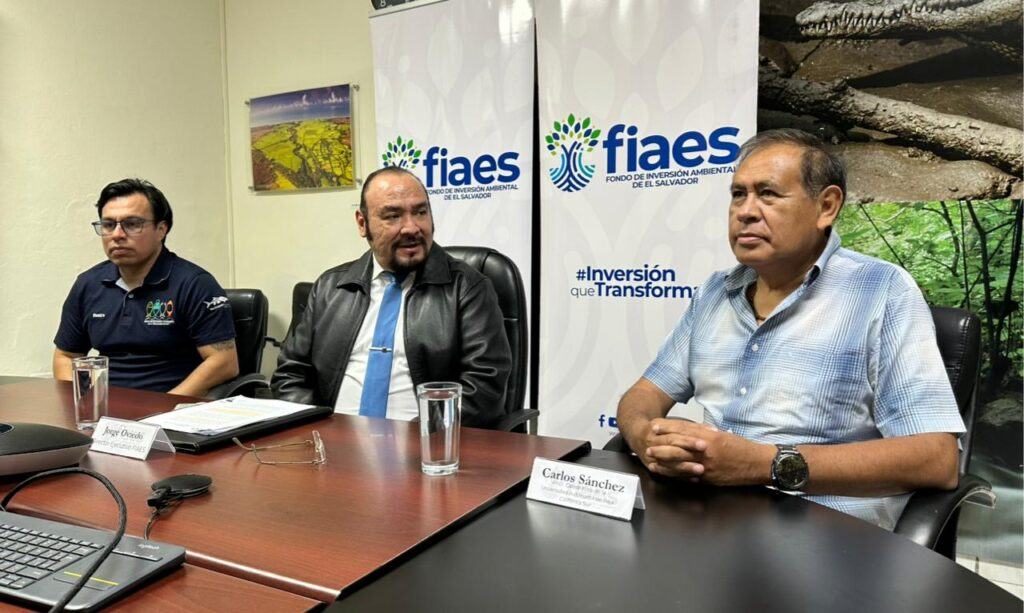
“The arrival of the research team from the Universidad Autónoma de Baja California represents a key step in the development of the reef assessment. Their underwater fieldwork will allow us to advance the collection of direct scientific information about our reefs, building an extraordinary legacy for salvadorans”, shared Jorge Oviedo, executive director of FIAES.
The research team will conduct underwater fieldwork and direct monitoring activities on reefs, including the collection of biological and environmental data.
As part of the assessment, the team will carry out scientific research and contribute to the study of the biodiversity of the salvadoran reef ecosystem.
Reef health index of the salvadoran coast.
Growth of stony corals and sea fans.
Historical evaluation of environmental variables from 2010 onward, associated with salvadoran reef ecosystems.
Data collection tools for citizen and collaborative science.
Environmental education and awareness strategy focused on reef ecosystems.
During their stay in El Salvador, the research team will work in coordination with FIAES, MARN, and local stakeholders to implement scientific methodologies adapted to the conditions of salvadoran reefs.
The project promotes an unprecedented collaborative science model in the country, involving fishermen, students, field technicians, and coastal communities in monitoring processes and the generation of scientific information. Research activities will take place on the coast of Los Cóbanos, Costa del Bálsamo, and Punta Amapala.
In addition to the scientific component, the project includes training workshops on participatory monitoring programs, aimed at strengthening local capacities and promoting reef conservation, contributing to the sustainability of marine-related livelihoods.
The agreement has a duration of 14 months, and the information generated will allow authorities, communities, and other stakeholders to make informed decisions to protect marine biodiversity and strengthen the resilience of El Salvador’s reef ecosystems.
You can also read: