

 A. M.
A. M. 
Special occasions like Valentine’s Day, Christmas, Mother’s Day, or anniversaries are often accompanied by promotions, offers, and advertising messages designed to encourage spending. While these moments are meant to be celebrated, they can also become a source of impulsive spending that affects the financial stability of many people.
Impulsive purchases occur when products or services are acquired without prior planning, motivated primarily by emotions such as euphoria, social pressure, or the desire to stay on trend. On dates with a high emotional component, the risk of spending more than planned increases, especially when using credit cards or online purchases with quick and easy processes.
One of the main factors influencing this behavior is emotional marketing. Phrases like “today only” “limited edition,” or “the perfect gift” create a sense of urgency that can lead to hasty decisions. Added to this is the constant exposure to advertising on social media, emails and shop windows, which reinforces the idea that spending is an essential part of the celebration.

To avoid falling into this type of overspending, experts recommend setting a budget before making a purchase. Establishing a maximum amount helps create a clear limit and prevents small purchases from accumulating into excessive spending. Likewise, making a list of what you truly need or want to give as a gift helps you stay focused and reduce unnecessary purchases.
Another key tip is to compare prices before making a purchase. Many promotions don’t always represent real savings, so taking a few minutes to review different options can make a significant difference in the final cost. It’s also advisable to be wary of offers that seem too good to be true and to verify the quality and usefulness of the product.
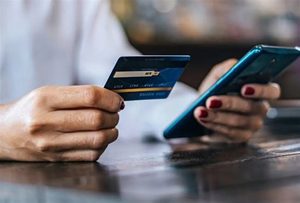
The responsible use of credit cards is essential. Buying in installments can give the impression that the expense is lower, when it compromises future income. Paying in cash, whenever possible, allows for greater control of your money and avoids additional interest charges.

Controlling impulse purchases also involves managing emotions. Before buying, it’s helpful to ask yourself if the product truly adds value or if it’s just a spur-of-the-moment decision. In many cases, waiting 24 hours before making a purchase helps you reflect and decide more clearly.
Finally, experts point out that celebrating doesn’t always mean spending more. Opting for experiences, handmade gifts, or simple activities can have greater emotional significance and less impact on your budget. Adopting mindful consumption habits allows you to enjoy special occasions without compromising your financial well-being.
You can also read: