

 A. M.
A. M. 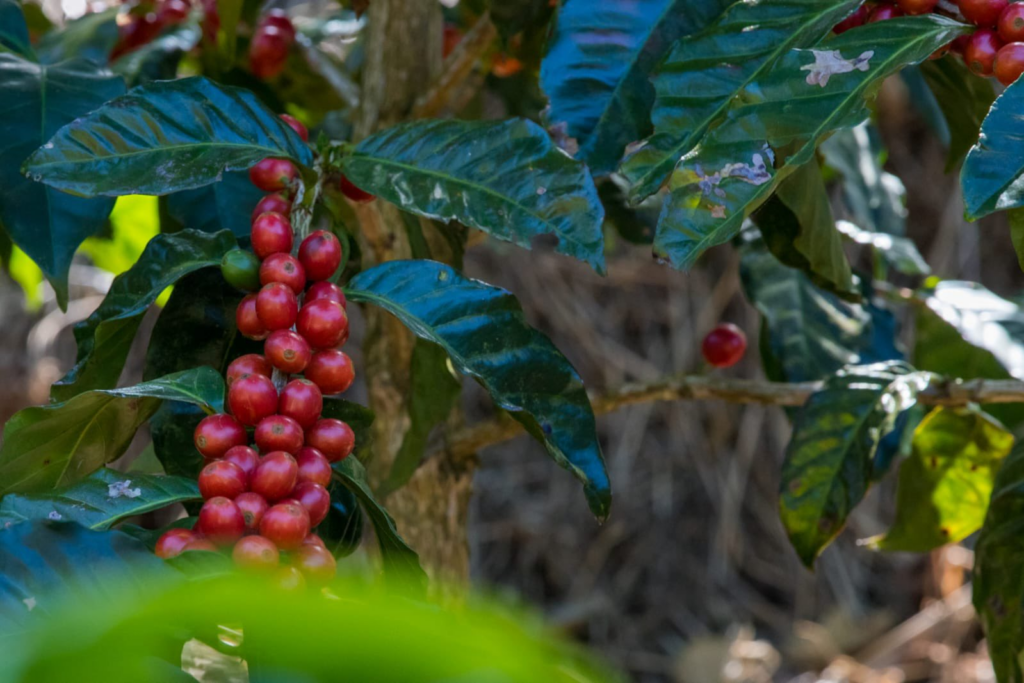
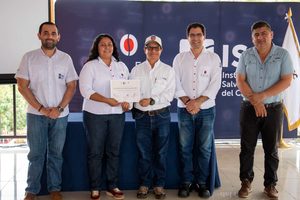
The Vice Minister Ad-Honorem of the Ministerio de Agricultura y Ganadería (MAG), Óscar Domínguez, announced the addition of coffee to the Production Enhancement Program, an initiative that already includes fruits, vegetables, and staple grains. The measure will be implemented in coordination with the Instituto Salvadoreño del Café (ISCafé) and aims to strengthen both the productivity and protection of existing crops.
Domínguez explained that the plan includes immediate actions to protect 20,000 manzanas of coffee from pests such as the coffee berry borer, one of the main phytosanitary problems in the sector. Among the measures are the application of attractants for trapping the borer, which will be placed in the coming days, as well as the distribution of foliar fertilizers, which will be applied eight days after flowering to strengthen the plants.
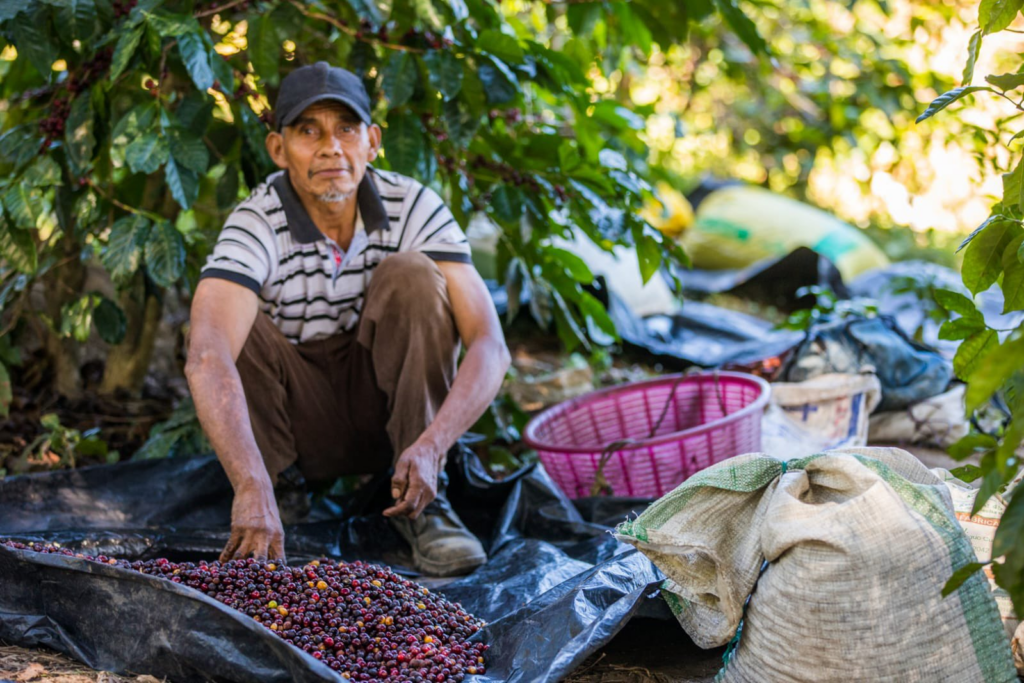
The official emphasized that the strategy aims not only to increase production but also to protect the country’s existing production capacity. The coffee berry borer can significantly reduce yield and bean quality, so timely control is key to ensuring better harvests and higher incomes for coffee farmers.
In addition to protecting existing crops, the program includes planting 700 new acres of coffee using Central Standard varieties. These plantations will be combined with shade fruit trees, traditional forest species, and tilapia farming systems, under an integrated approach that promotes water harvesting and productive diversification.
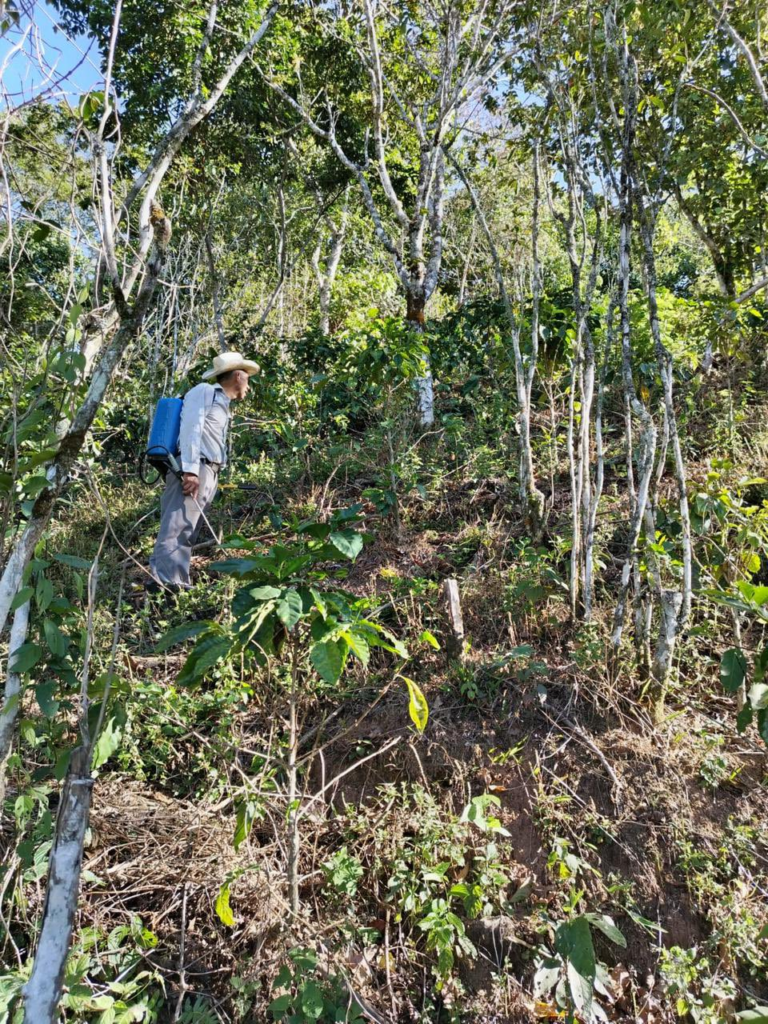
This model seeks to strengthen the sustainability of the coffee sector, improve producers’ incomes, and contribute to the recovery of forest cover, since shade-grown coffee promotes soil conservation and biodiversity.
With the incorporation of coffee, the Production Increase Program expands its strategic scope, focusing on a sector that has historically been important to the Salvadoran economy and has high potential for job creation and economic development in the country’s rural areas.
You can also read: