

 A. M.
A. M. 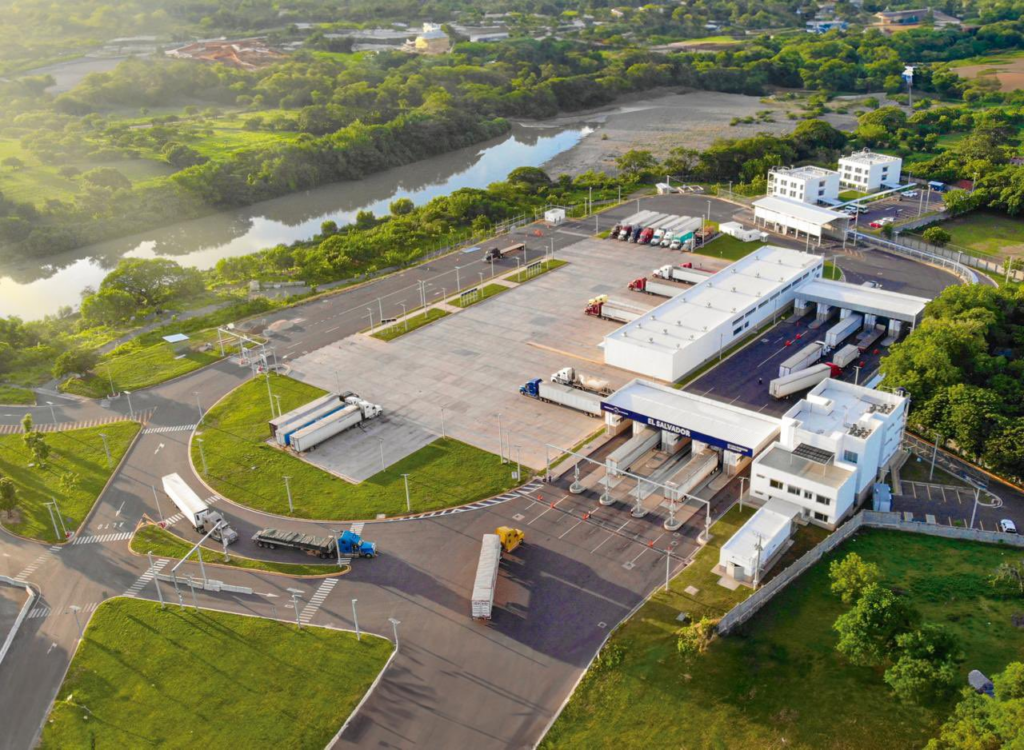
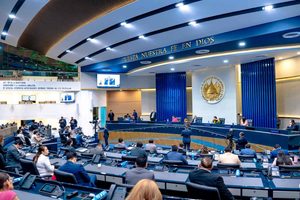
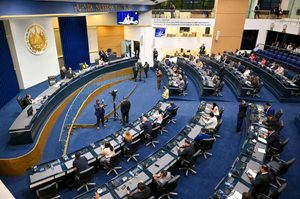
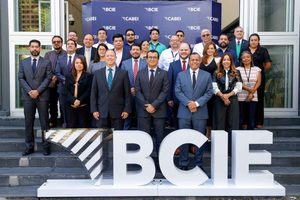
The Director General of El Salvador Customs, Benjamín Mayorga, reported that the country participated in the Conferencia Tecnológica de la Organización Mundial de Aduanas (OMA), an international forum where authorities and specialists analyze innovations transforming customs management globally.
As the official explained via social media, participation allowed for the consolidation of strategic alliances and provided firsthand knowledge of technological solutions aimed at strengthening controls, streamlining processes, and improving border security.
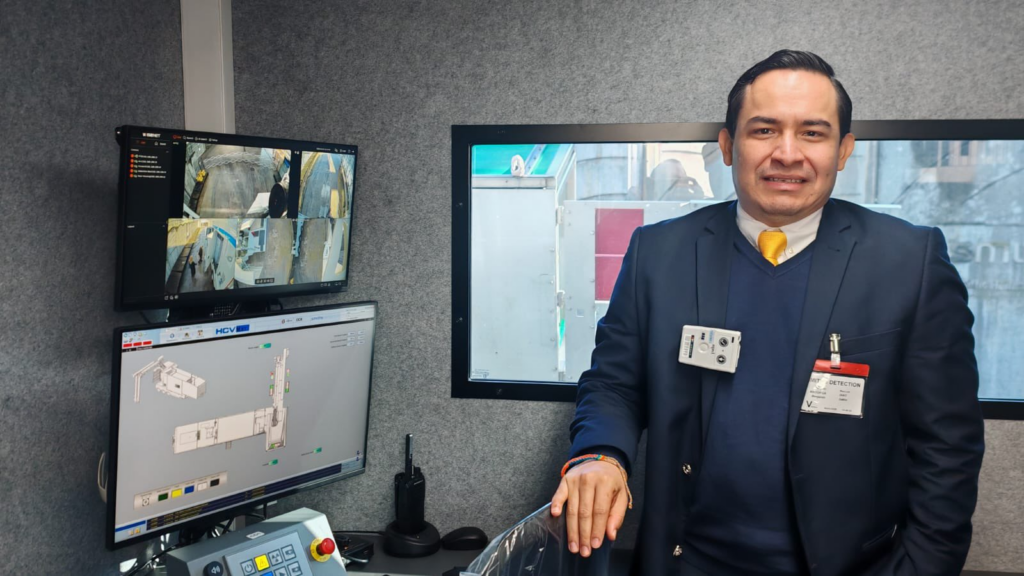
Among the advancements presented were state-of-the-art scanning systems that could soon be implemented in Salvadoran customs. These tools enable faster and more precise non-intrusive inspections, with the capacity to scan more than 100 vehicles per hour, representing a significant leap in operational efficiency.
Advanced inspection technology reduces the need for manual checks, shortens clearance times, and improves the detection of illicit goods. Furthermore, it strengthens risk management by providing high-resolution images and automated analysis that facilitate the identification of cargo inconsistencies.
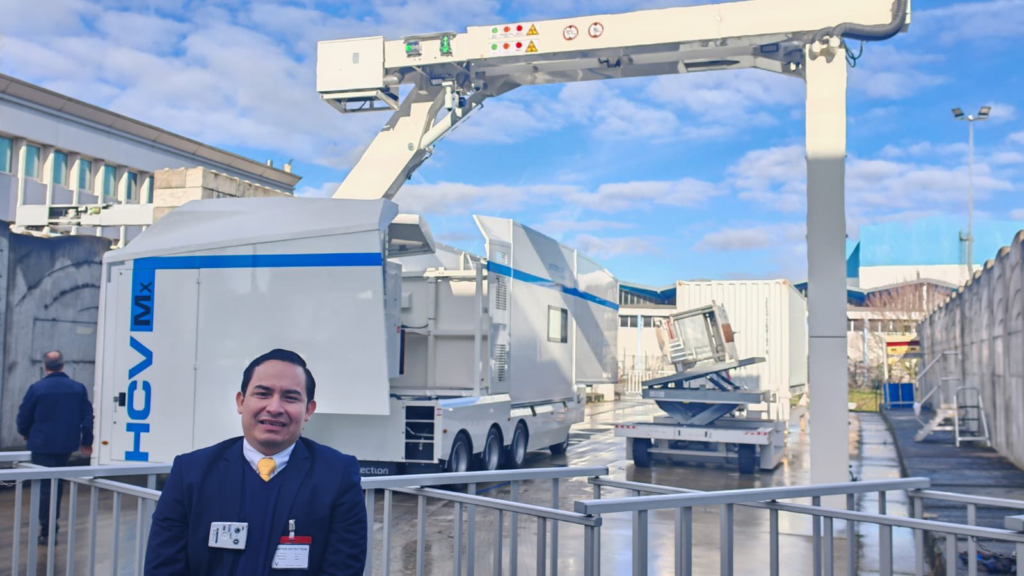
According to Customs, the implementation of these systems will help balance two key objectives: facilitating legitimate trade and strengthening security. By expediting the passage of goods that comply with regulations, logistics costs for businesses are reduced and the country’s competitiveness is improved, while maintaining effective controls against smuggling and other irregular activities.
This technological modernization also directly impacts the work of customs personnel, who will have more advanced tools to perform their duties with greater precision and a smaller margin of error. This strengthens institutional capacity and aligns the country with international standards promoted by the OMA.
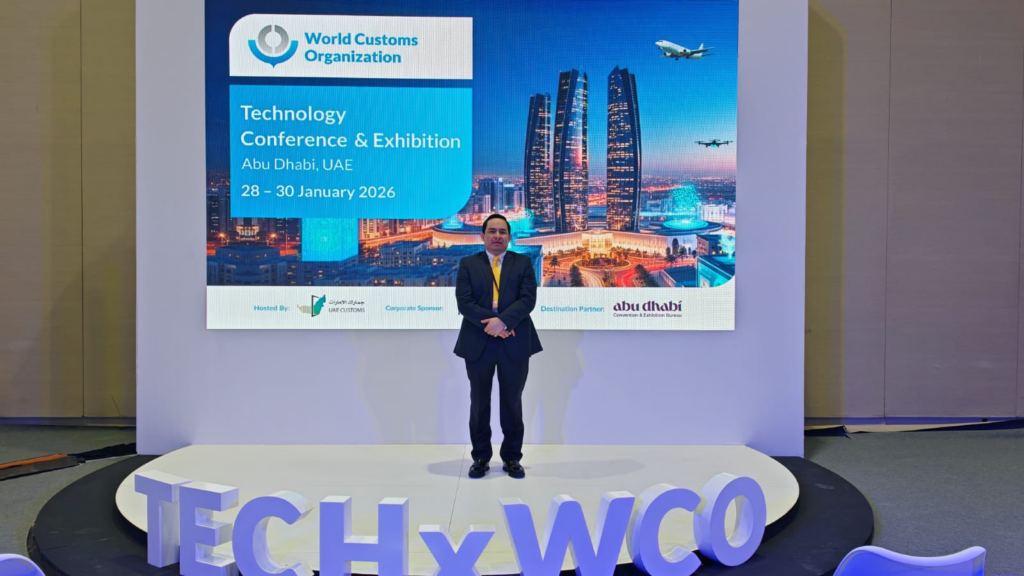
With this participation, El Salvador reaffirms its commitment to a more modern, efficient customs system geared towards economic development, incorporating technological innovation as a central pillar for improving border management and facilitating international trade.
You can also read: