

 A. M.
A. M. 
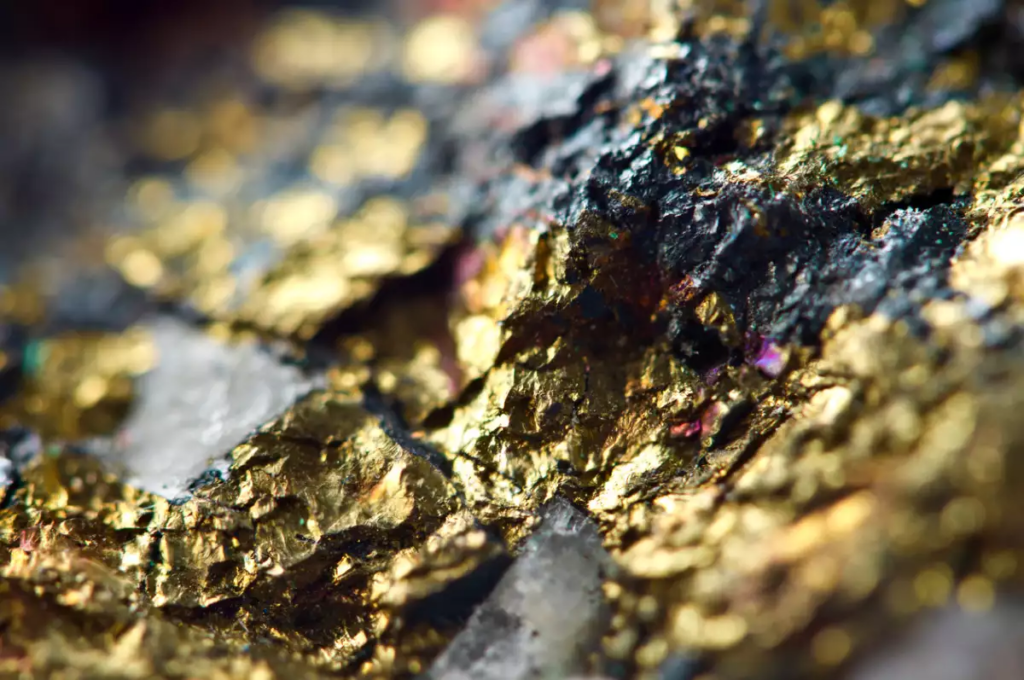
The Ministerial Meeting on Critical Minerals, held on february 4 in Washington, brought together delegations from at least 54 countries and the European Commission with a common goal: to strengthen secure, resilient, and diversified supply chains for strategic minerals such as lithium, copper, gold, and rare earth elements.
During a virtual press conference, US Assistant Secretary of State for Economic, Energy, and Business Affairs Caleb Orr emphasized that the meeting facilitated progress on concrete agreements and international cooperation mechanisms aimed at reducing dependence on sources considered unstable and promoting higher standards in the extraction and processing of these resources.
Bilateral agreements and new investment fund
One of the main outcomes was the signing of bilateral framework agreements with Argentina, Ecuador, Paraguay, and Peru. These instruments establish a basis for cooperation to promote investment, technology transfer, and the development of projects related to critical minerals.
The launch of FORGE was also announced, an initiative backed by a package of up to US$30 billion aimed at promoting the responsible and sustainable processing of minerals, as well as strengthening the infrastructure associated with this industry. FORGE will operate as a policy coordination platform within the Minerals Security Partnership, which comprises 32 partners.
According to Orr, the purpose is to facilitate financing, reduce risks for investors, and promote projects that meet environmental and transparency standards.
Diversification and Regional Cooperation

The meeting highlighted a particular interest in Latin America, a region that holds significant reserves of lithium, copper, and rare earth elements. The United States expressed its intention to expand cooperation with countries such as Brazil, Argentina, and Ecuador, not only in extraction but also in local mineral processing, to generate greater added value in the producing countries.
In the case of Brazil, financing options and technological collaboration are being explored to strengthen its industrial capacity. With Argentina, the focus includes the development of lithium and copper projects, in a context of high global demand linked to the energy transition and the growth of technologies such as artificial intelligence.
Regarding Ecuador, the signing of a bilateral agreement was highlighted, which seeks to facilitate investments and joint projects, especially in areas with high mining potential.
Market stability and common standards
Another central theme of the meeting was the need to establish mechanisms that provide greater stability to the international market for critical minerals. While specific measures on prices or tariffs were not detailed, the importance of coordinating trade policies among countries with “like-minded visions” was emphasized to guarantee predictable and reliable trade.
Orr emphasized that the approach is not aimed at excluding certain actors, but rather at building diversified networks that reduce vulnerabilities and ensure supply for strategic sectors such as energy, technology, and defense.
A step toward more resilient supply chains
The meeting concluded with a commitment to continue the dialogue and deepen technical and financial cooperation. The United States assumed a facilitating role among the participating countries, with the goal of promoting joint solutions to the challenges of the global market for critical minerals.
With bilateral agreements signed, a new multi-billion-dollar fund underway, and an international coordination agenda, the meeting in Washington marks a significant step toward building more secure and sustainable supply chains in a sector that is key to the global economy.
You can also read: