

 A. M.
A. M. 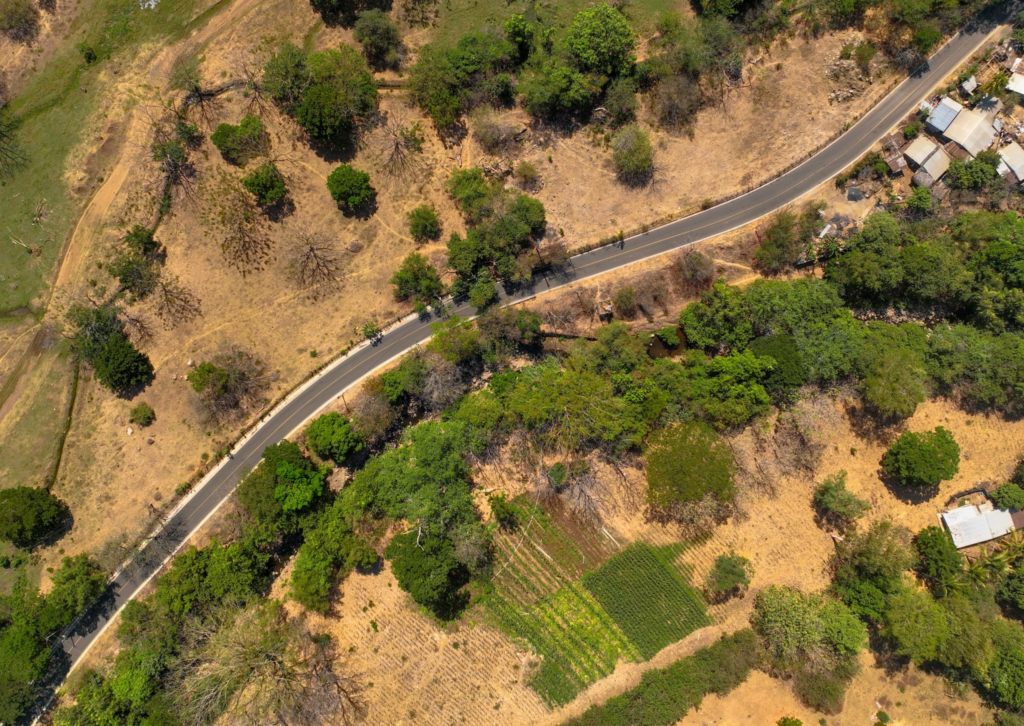
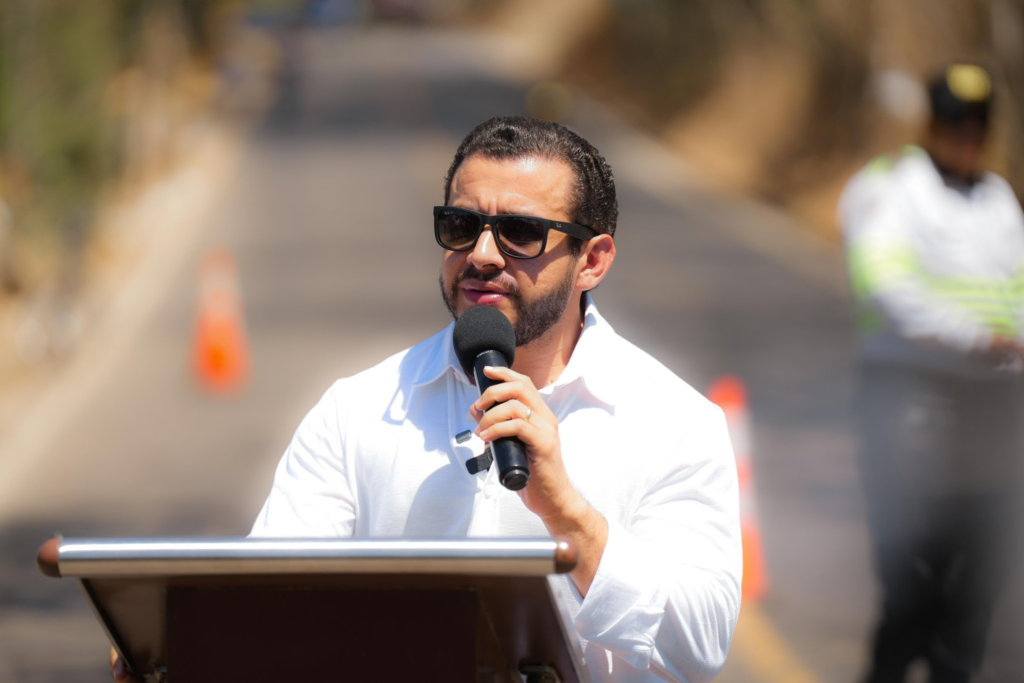
The minister of Ministerio de Obras Públicas de El Salvador (MOPT), Romeo Herrera, along with the executive director of the Fondo de Conservación Vial (FOVIAL), Alex Beltrán, inaugurated the paved road connecting the hamlet of El Ceibillo with San José El Naranjo, in the district of Jujutla, municipality of Ahuachapán Sur.
The project comprises 8.2 kilometers of road that connects to the Coastal Highway and benefits more than 30,000 families in the area, who for years faced difficulties getting around, especially during the rainy season, when the dirt road became impassable for buses, trucks, and private vehicles.
Expansion and complementary works
According to the authorities, the road was widened from an average of five meters to two lanes, each three meters wide. In addition to the asphalt pavement, the project includes drainage systems, gutters, curb and gutter, collection boxes, and approximately 11 underground drains built at strategic points to channel rainwater, rivers, and streams, which will extend the useful life of the road.
The road base is approximately 40 centimeters thick, while the asphalt layer is over eight centimeters thick and is composed of a modified mix, suitable for the area’s climatic conditions. Road signs and speed bumps were also installed to enhance the safety of students and residents.
As part of the project, a new water main was installed—a completely new pipeline built to technical standards—ensuring the proper functioning of the drinking water system for the communities served.
Presidential decision and national investment
Minister Herrera explained that the decision to carry out the project was made by President Nayib Bukele, with the goal of transforming roads that had historically been neglected.
Furthermore, he announced that new road infrastructure projects are continuing to be developed in the departments of Ahuachapán and Sonsonate. Among these, he highlighted that the groundbreaking ceremony for the multi-level overpass in the area known as Kilometer 5 is expected to take place within the first 15 days of march.
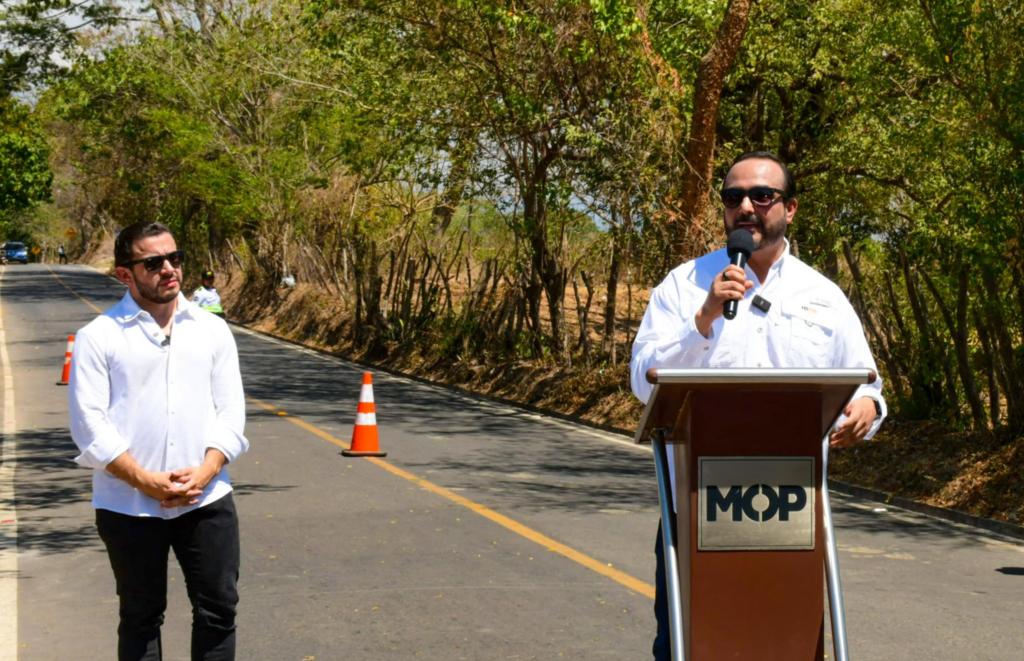
Authorities emphasized that these projects are part of a national strategy to improve connectivity, boost the local economy, and bring public works to vulnerable communities, financed by salvadoran taxpayers.
With this project, residents of Jujutla and surrounding areas now have a modern road that facilitates transportation, reduces travel times, and improves safety conditions for thousands of families in western El Salvador.
You can also read: