

 A. M.
A. M. 
Tourism in El Salvador continues to gain prominence as one of the pillars of the national economy, currently accounting for 10% of the Gross Domestic Product (GDP). This contribution positions it as a strategic sector for job creation, foreign exchange earnings, and the stimulation of various productive activities linked to services, commerce, and construction.
These figures were provided by Tourism minister Morena Valdez, who highlighted the sector’s sustained growth and its direct impact on the country’s economy.
According to the minister, this progress stems from a combination of factors, including improved security, the strengthening of tourism infrastructure, and the promotion of the country as an attractive destination at the regional and international levels, which has led to an increase in visitor arrivals.
During the 2026 Holy Week holiday period, El Salvador far exceeded projections for international tourist arrivals and visitor numbers at major destinations. In this context, 208,000 international visitors were recorded, representing a 50% increase compared to 2025 and 44% above the target set for this year.
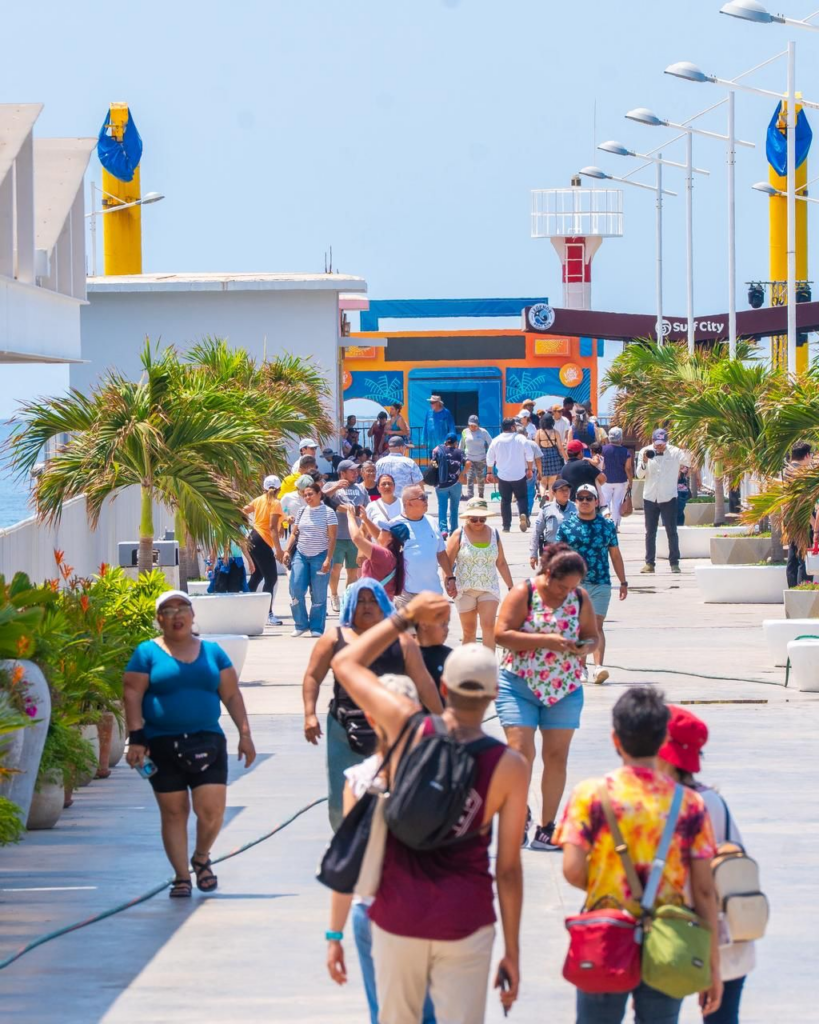
Among the most visited destinations, Surf City stood out, particularly the beaches in the department of La Libertad, which continue to rank as one of the top attractions for domestic and international tourists. Likewise, the Historic Center of San Salvador exceeded expectations by welcoming 760,000 visitors, making it the most visited public space during the holiday season.
In total, more than 2 million people visited public spaces, beaches, and tourist destinations across the country, reflecting a 28% increase compared to the previous year, which demonstrates the positive impact of tourism on economic activity.
The minister also emphasized that security remains one of the key factors driving the tourism boom, allowing entire families to travel to the country with greater confidence. She highlighted the implementation of the “family friendly” seal, promoted by First Lady Gabriela de Bukele, as a key element in attracting more vacationers.
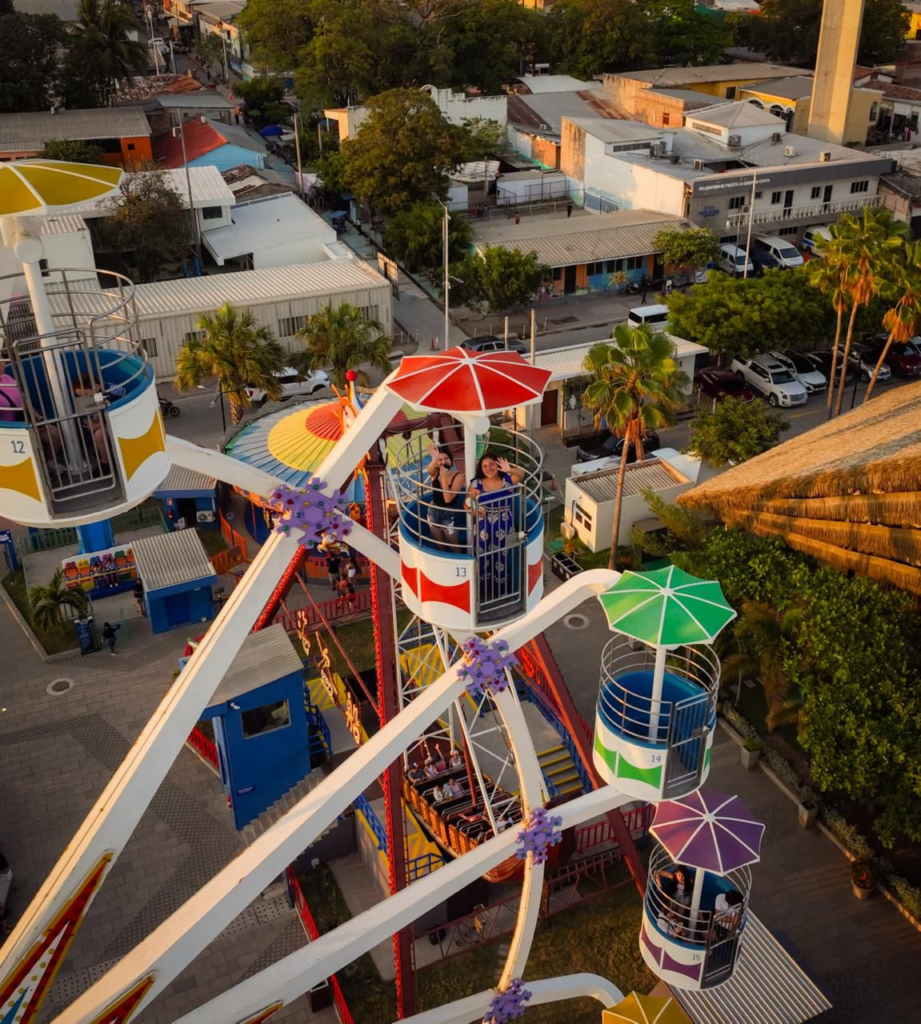
As for the origin of visitors, 54% came from Guatemala, 19% from Honduras, 17% from the United States, and 10% from the rest of the world, confirming El Salvador’s position as a competitive destination in the region.
The government continues to prioritize tourism development through infrastructure investment, particularly in the eastern part of the country, as well as the renovation of recreational parks and the improvement of services in coordination with the private sector.
With these advances, tourism is not only establishing itself as a key driver of economic growth but also as a strategic tool for projecting a new image of the country internationally.
You may also read: