

 A. M.
A. M. 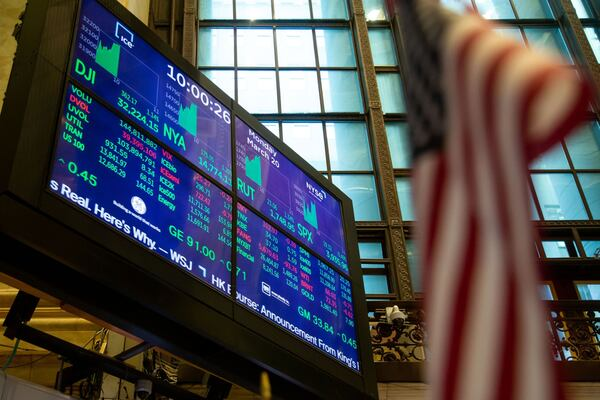
U.S. stocks opened lower on tuesday amid a climate of high uncertainty caused by the escalating conflict between Washington and Tehran, as well as the expiration of a key ultimatum issued by President Donald Trump.
According to Bloomberg Línea, in early trading, the S&P 500 index was down 0.41%, while the Dow Jones fell 0.62% and the Nasdaq recorded a 0.46% decline. This negative performance aligns with the trend observed in European markets and reflects investors’ reduced willingness to take risks in an uncertain geopolitical environment.
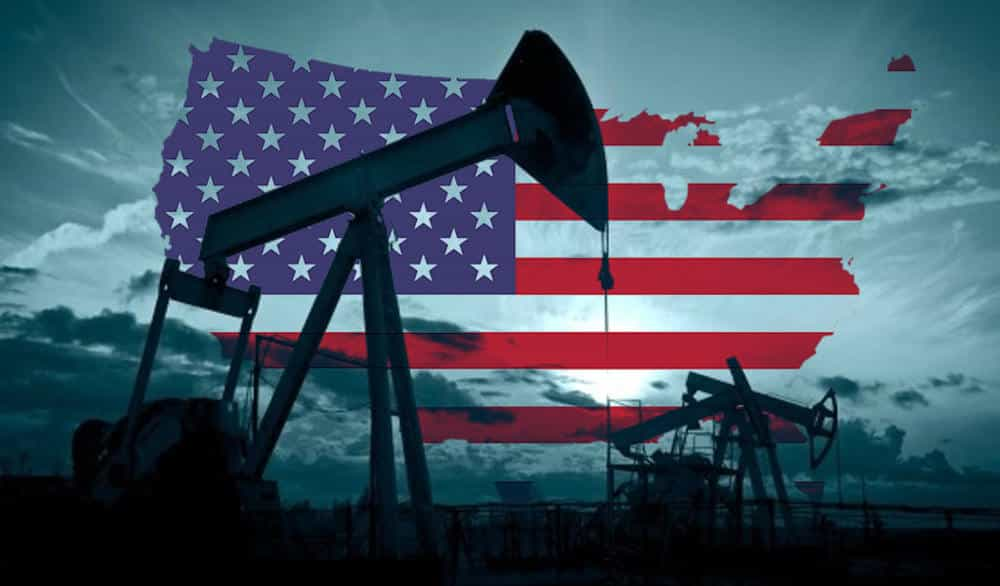
One of the main factors behind this reaction is the surge in oil prices, which remain at elevated levels amid fears of disruptions to the global energy supply. West Texas Intermediate crude exceeded $115 per barrel, while Brent remained above $110, driven by the possibility of a prolonged blockade in the strategic Strait of Hormuz.
The importance of this maritime route lies in the fact that a significant portion of the world’s oil trade passes through it. Tensions have escalated due to the possibility that Iran might restrict or close the route, which would have a direct impact on the global energy supply.
The backdrop to the crisis is marked by an escalation of hostilities in the Middle East. The United States and its allies have intensified attacks on Iranian infrastructure, particularly facilities linked to crude oil exports. In response, Iran has launched missiles and drones in the Persian Gulf region, raising the risk of a larger-scale confrontation.
Trump’s statements, in which he warned that “an entire civilization could die” if an agreement is not reached, contributed to increased tension in international markets, which remain on alert for any signs of escalation or de-escalation of the conflict.
The impact of rising oil prices is already beginning to ripple through the economy. Analysts predict that higher fuel costs will drive inflation in the United States, which could complicate the Federal Reserve’s decisions regarding a potential interest rate cut. In fact, the consumer price index is projected to post one of the largest monthly increases since 2022.
In the bond market, 10-year Treasury yields rose toward 4.34%, reflecting shifts in rate expectations. Meanwhile, gold remained relatively stable, influenced by both central bank demand and the impact of higher rates.
Other assets also showed signs of caution. Bitcoin remained below $70,000, in an environment of uncertainty where investors are avoiding aggressive positions. Meanwhile, natural gas prices in Europe rose sharply, reinforcing the perception of a global energy market under pressure.
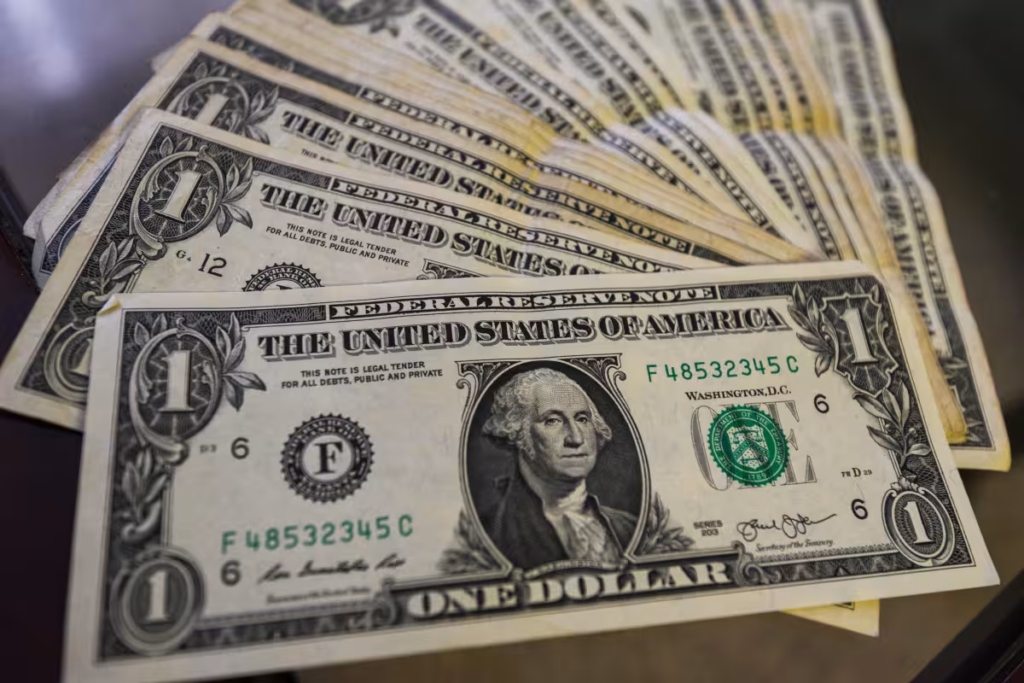
In the foreign exchange market, the dollar showed slight declines, though it remains an attractive asset in times of uncertainty. Analysts note that, as long as there are no clear signs of an agreement or a reduction in tensions, demand for the U.S. dollar could remain strong.
Latin American currencies, meanwhile, showed mixed performance. The Mexican and Colombian pesos gained ground, while the Chilean peso, Brazilian real, and Argentine peso fell, reflecting the region’s sensitivity to changes in the global environment.
Despite some signs of diplomatic progress, uncertainty persists. Iran has made any agreement contingent on the lifting of sanctions and economic compensation, while the possibility of new attacks keeps markets on alert.
In this context, analysts warn that the development of the conflict will be decisive for market trends in the coming days, especially regarding energy prices, inflation, and global financial stability.
You can also read: