

 dinero_admin
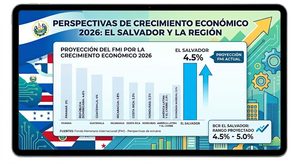
Low-income economies that rely on imports for supplies will be the most affected by the economic fallout from the war in the Middle East, warned the World Bank, the International Monetary Fund (IMF), and the World Food Programme (WFP). These nations face greater risks due to rising food and fuel prices, as well as their limited fiscal capacity to respond to the crisis.
During a joint meeting, the organizations analyzed the global impact of the conflict, noting that it has already generated one of the greatest disruptions to energy markets in modern history. The increase in oil, gas, and fertilizer prices, coupled with problems in international transport, is putting upward pressure on food production and distribution costs.
This ripple effect is causing a general increase in the price of basic goods, which is increasing food insecurity, especially in countries that depend on imports to meet their domestic needs. In these contexts, governments have less room to implement subsidies or relief measures due to high levels of debt and limited fiscal resources.
International organizations also warned that the most vulnerable populations will be the hardest hit, as they allocate a larger proportion of their income to food and energy purchases, exacerbating their situation in the face of rising prices.
Given this scenario, the World Bank Group (WBG), the IMF, and the WFP reiterated their commitment to monitoring the evolution of the crisis and coordinating actions to mitigate its effects. Among their priorities is supporting affected countries through financial tools and programs that protect lives, preserve livelihoods, and foster a resilient economic recovery with stability, growth, and job creation.
You can also read: