

 dinero_admin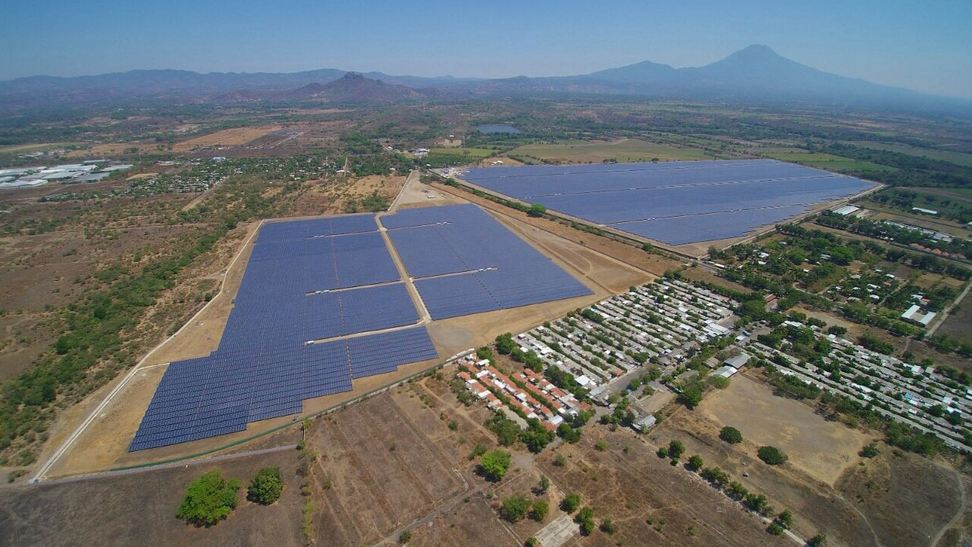
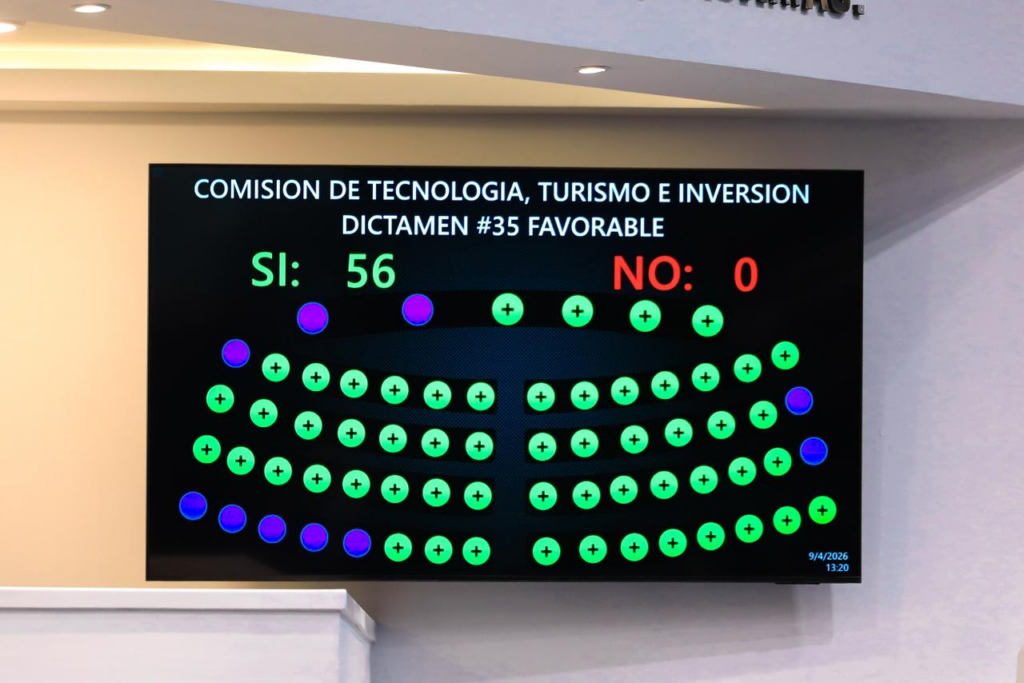
The salvadoran Legislative Assembly approved reforms to the General Electricity Law with 56 votes. These reforms include the creation of a retail energy market, a key measure to reduce electricity costs for consumers and improve the functioning of the country’s electrical system.
This new market will regulate energy transactions within distribution networks, complementing the wholesale market and providing greater transparency in pricing. The goal is for costs to better reflect the use of more efficient and economical technologies, such as renewable energy.
The reforms are part of an effort to organize and strengthen distributed generation, that is, small-scale energy production (such as solar) that is directly connected to distribution networks. This model has grown steadily in El Salvador, highlighting the need for clear regulations.
During the analysis of the regulations, the Director General of Energy, Hydrocarbons, and Mines, Daniel Álvarez, explained that the country already has 553 megawatts installed under this scheme, which reinforces the importance of modernizing the regulatory framework.
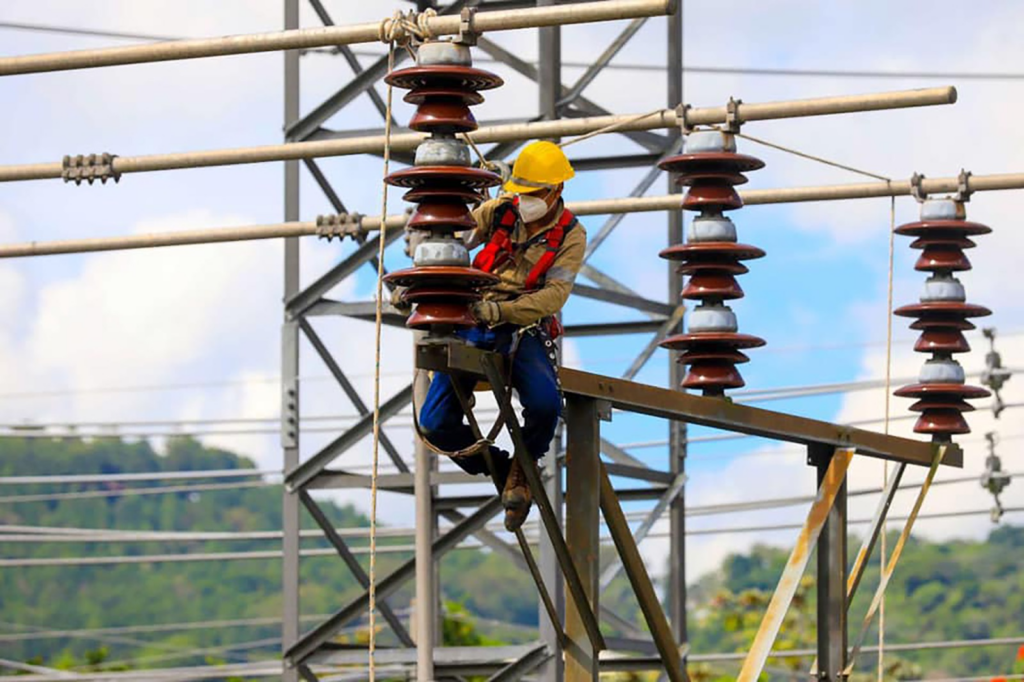
One of the main changes is the implementation of regulated commercial metering, which will allow for the precise determination of the energy generated, the energy injected into the grid, and its impact on the final rate paid by users.
Currently, energy prices in this segment are calculated based on fuels such as bunker fuel or diesel, whose costs are considerably higher than those of renewable sources. With the reforms, it is expected that the use of technologies such as solar will contribute to lowering the final price of electricity.
Furthermore, the modifications seek to reduce dependence on hydrocarbons in the national energy mix, promoting the use of clean and sustainable sources.
Greater control and oversight of the system
The reforms also include measures to strengthen the oversight of the electricity system. Among them, the interconnection processes are regulated, mandatory studies are established to guarantee the capacity of the network, and real-time monitoring mechanisms are incorporated for distributed generation plants.
Likewise, the powers of the General Directorate of Energy, Hydrocarbons, and Mines are strengthened, granting it the responsibility of authorizing interconnections, defining associated charges, and evaluating the integration of new projects into the system.
Distribution companies will have to comply with new obligations, such as reporting periodic information on interconnection processes and providing technical data that facilitates the planning of the national electricity system.
With these reforms, the country seeks to move toward a more efficient, transparent, and sustainable energy system that will reduce costs for the population and encourage investment in clean energy.
You can also read: