

 dinero_admin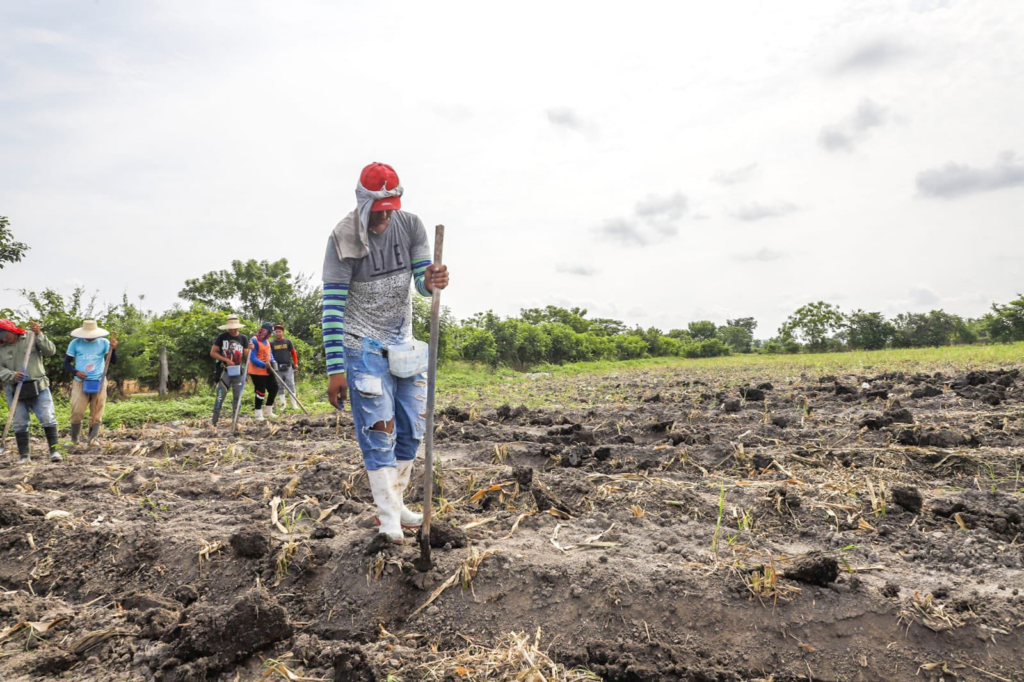
The Vice Minister of Ministerio de Agricultura y Ganadería de El Salvador (MAG), Óscar Domínguez, announced that april 21-25 will be the ideal dates to begin planting corn and beans in the country, following a technical analysis conducted in conjunction with the Ministerio de Medio Ambiente y Recursos Naturales (MARN).
The recommendation is based on climate forecasts that anticipate a dry spell in july, so planting during this period will allow for better use of soil moisture and reduce risks to crops. Authorities emphasized that this planning is based on scientific criteria and not arbitrary decisions.
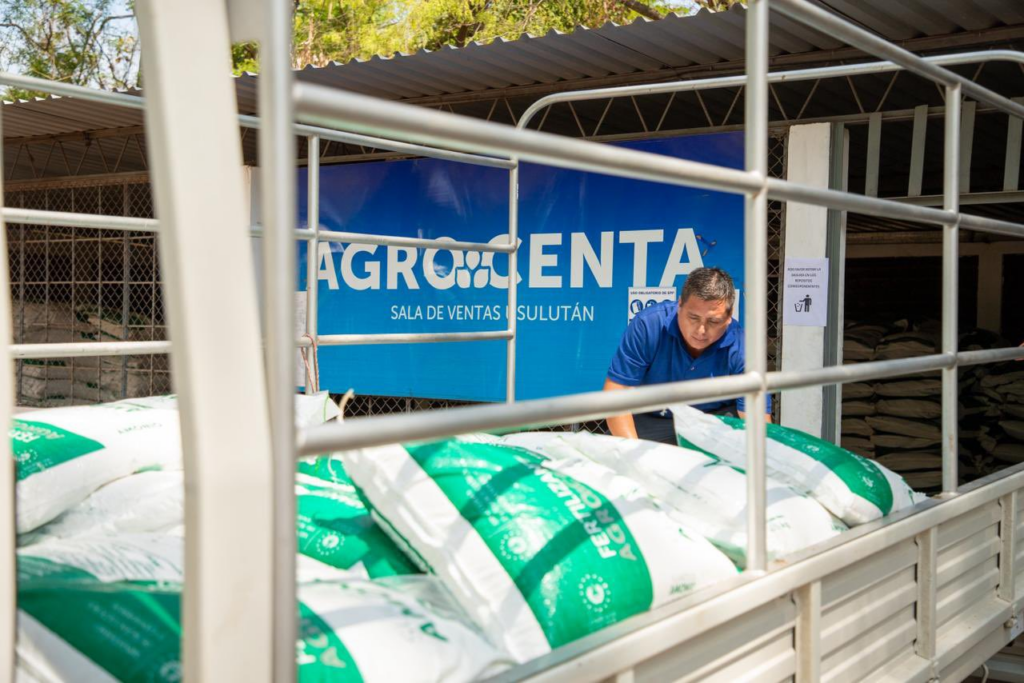
The Government announced a series of measures to strengthen agricultural production and support producers during the season. Among these initiatives is the availability of supplies at affordable prices through AGROCENTA branches, where fertilizers such as ammonium sulfate, 16-20-0 and 15-15-15 formulas, and physical blends are offered at reduced costs. In addition, free home delivery is available for group orders.
Another key action is the promotion of irrigation systems in vulnerable areas. In coordination with the Autoridad Salvadoreña del Agua, well drilling and the installation of wellheads will be carried out in strategic areas to guarantee water availability during adverse weather conditions.
The plan also includes the productive use of more than 52,000 blocks (approximately 15,000 acres) for the cultivation of staple grains and vegetables, with the aim of increasing national food production.
Furthermore, collaborative work with international organizations such as the Food and Agriculture Organization of the United Nations (FAO) and the World Food Programme (WFP) is being strengthened, focusing on technical assistance, knowledge transfer, and support for climate resilience among farmers.
As part of the direct support, the Government will continue distributing the agricultural subsidy, benefiting more than half a million subsistence farmers, who will be able to purchase inputs at the appropriate time for planting.
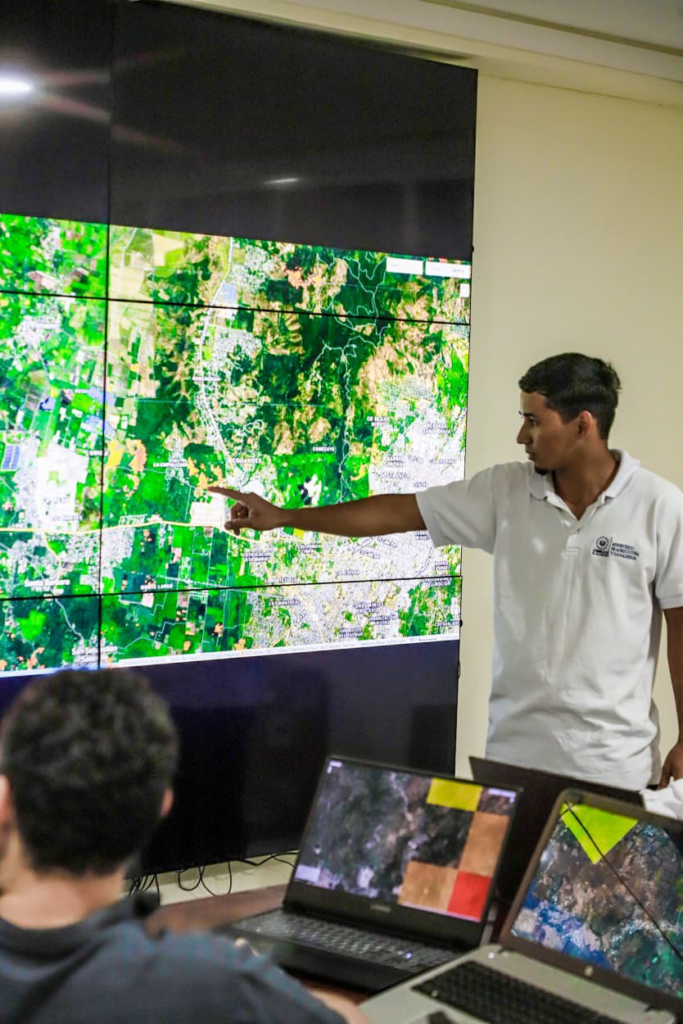
In addition, the Sistema de Monitoreo Inteligente de la Red Agropecuaria (MIRA), is being implemented, a tool that uses satellite technology to monitor potential threats such as pests or droughts in real time, allowing for a timely response in productive areas.
Authorities emphasized that constant coordination with the Ministry of the Environment allows for informed and timely decision-making and therefore urged the public to stay informed through official channels.
With these actions, the Government seeks to guarantee more efficient, resilient, and sustainable agricultural production, based on data, technology, and technical support for salvadoran producers.
You can also read: