

 A. M.
A. M. 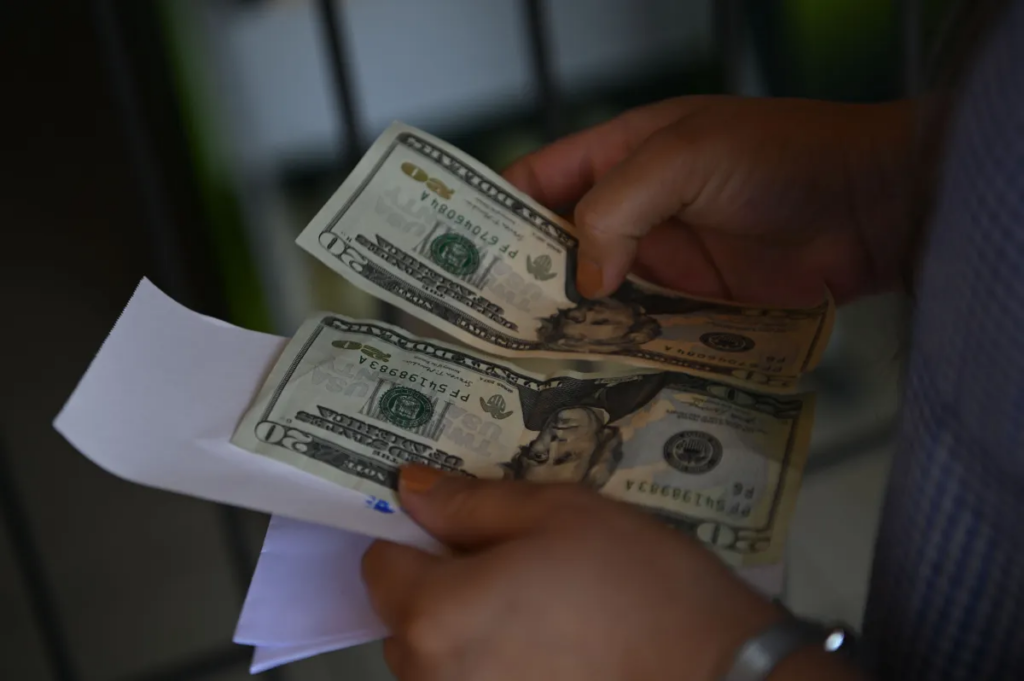
As of january 1st of this year, the United States has applied a 1% federal tax to certain remittances sent abroad, a measure that directly impacts those who send money out of the country using physical methods. The new tax is part of the federal “Want to Be the Beautiful Big Act”, passed in July 2015 during the administration of President Donald Trump, and is already being collected at authorized remittance locations.
The tax applies to all individuals who send remittances from the United States, including citizens and legal residents. However, experts agree that the effect will be greater on the migrant population and on families that depend on remittances as a key source of income, given that a significant portion of these transfers are made in cash.
According to the regulations, the 1% tax is levied only on remittances financed through physical instruments, such as cash, cashier’s checks, and money orders. The additional amount is calculated based on the amount sent: the larger the sum, the higher the tax the sender must pay. The tax is collected directly from the company or financial institution used for the transfer, which is required to report the collected funds to the U.S. Department of the Treasury.

The law establishes important exemptions. Remittances made through digital or banking means, such as transfers from bank accounts, payments with debit or credit cards issued in the United States, e-wallets, and prepaid cards, are not subject to the tax. These methods continue to operate without the 1% surcharge, which has led many users to consider changing how they send money.
With the tax now in effect, some money transfer companies have begun offering alternatives to avoid the charge. One example is Western Union, which offers a card that allows users to load cash and send money as a digital transaction, thus exempting it from the tax since it is not classified as a physical remittance.
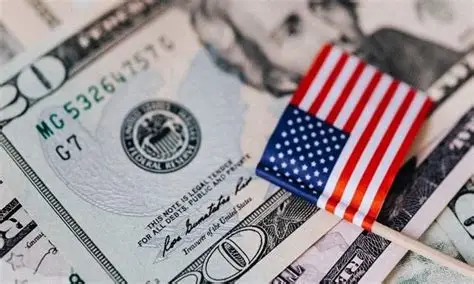
The impact of the new tax will be concentrated primarily on migrants who send money in cash, as well as international students, foreign workers, and families who make payments abroad using traditional methods. For these groups, the tax represents an additional cost that, although a small percentage, can accumulate over time and reduce the final amount received by the recipients.
You can also read: