

 dinero_admin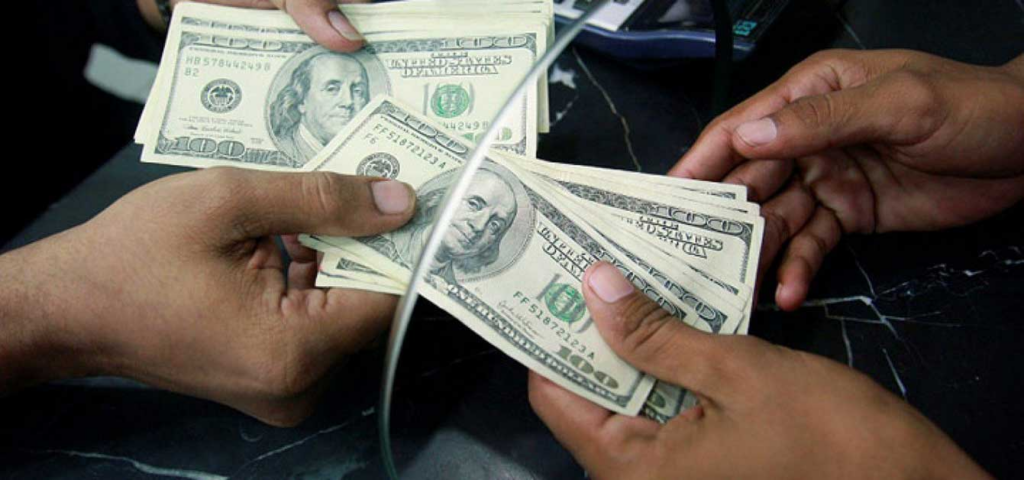
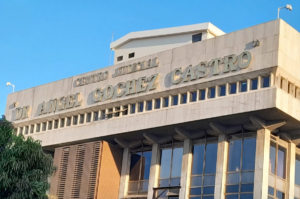
25.8% of the salvadoran population receives international remittances, and most of these funds are used to cover food and personal expenses, according to the results of the Encuesta Nacional de Inclusión y Educación Financiera 2025, presented by the Banco Central de Reserva (BCR). This data confirms the key role that remittances play as direct support for the daily finances of thousands of households in the country.
The BCR details that, at the national level, 74.2% of the population does not receive remittances, which highlights the importance of the 25.8% who do depend, totally or partially, on these incomes from abroad. Remittance receipt shows a similar distribution between men and women, with 25.9% of men and 25.6% of women reporting receiving them.
According to the study, three out of four people who receive remittances (77.3%) use the money for food, clothing, and personal expenses, reflecting that these funds are primarily used to meet basic needs. Secondly, 38.4% use remittances to pay for basic services such as electricity and water, while 30% use them to cover emergencies and unexpected expenses.

The survey reveals significant differences by area of residence. In rural areas, 34% of people receive remittances, a higher proportion than in urban areas, where the percentage is 22.4%. This contrast demonstrates that remittances are especially important for rural households, where they often supplement limited or unstable incomes.
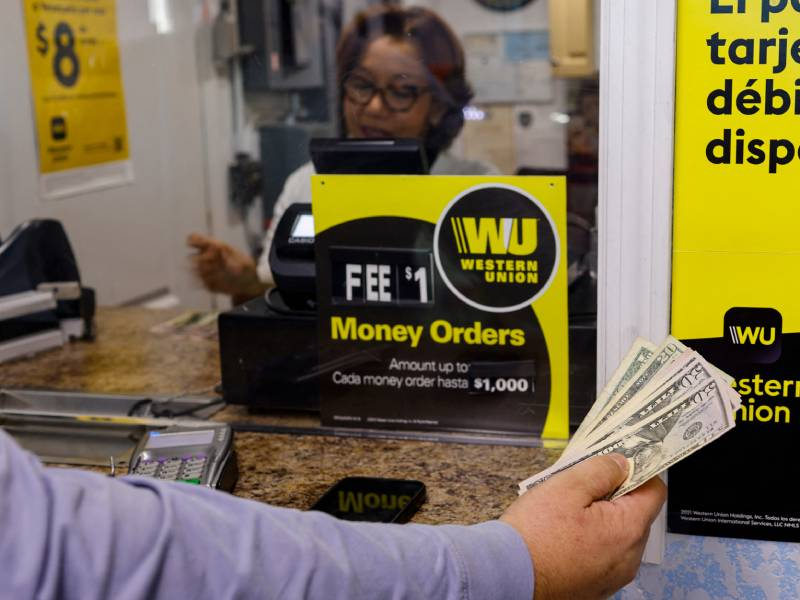
Regarding the methods used to receive the money, 60% of beneficiaries do so through remittance companies, followed by 29.4% who receive the payment directly into a financial institution account. Other channels include financial correspondents (6.7%), courier services (5.2%), and payment points (3.1%), demonstrating a diversity of access mechanisms for these funds.
Although to a lesser extent, remittances are also used for other important purposes. 23.9% are used for healthcare expenses, 11.9% for education, and smaller percentages are allocated to savings in financial institutions (2.8%), entrepreneurial ventures (2.3%), home improvements (2.3%), and rent or mortgage payments (1.9%).
The results of the Encuesta Nacional de Inclusión y Educación Financiera 2025 of the BCR show that, beyond their macroeconomic impact, remittances play an essential role in the daily subsistence and financial stability of households, especially in rural areas, where family support from abroad becomes a fundamental pillar for covering basic needs.
You can also read: