

 dinero_admin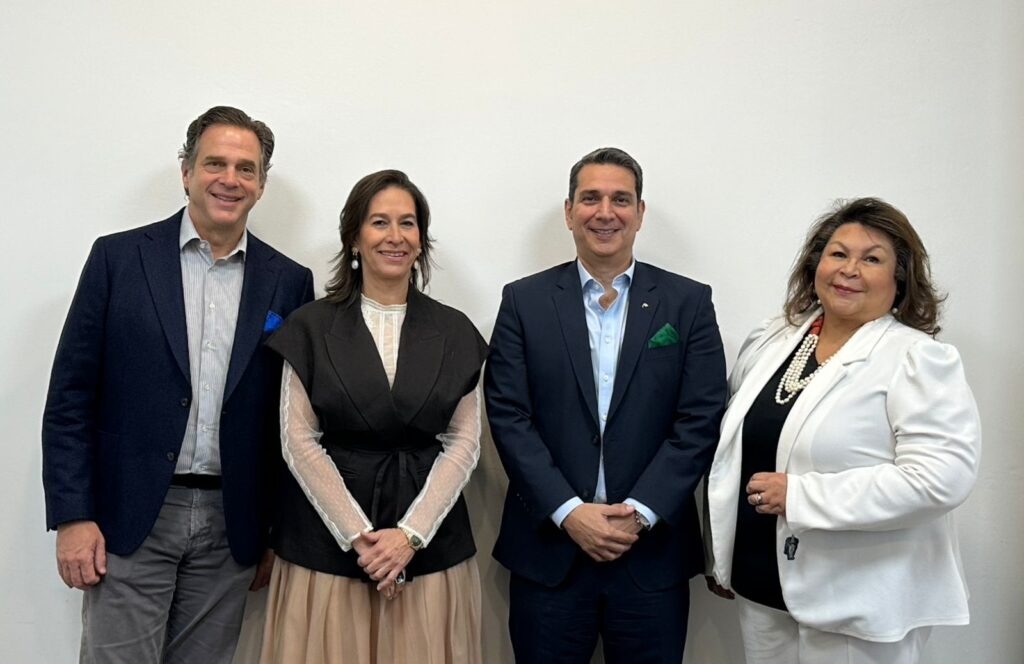
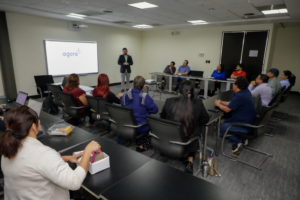
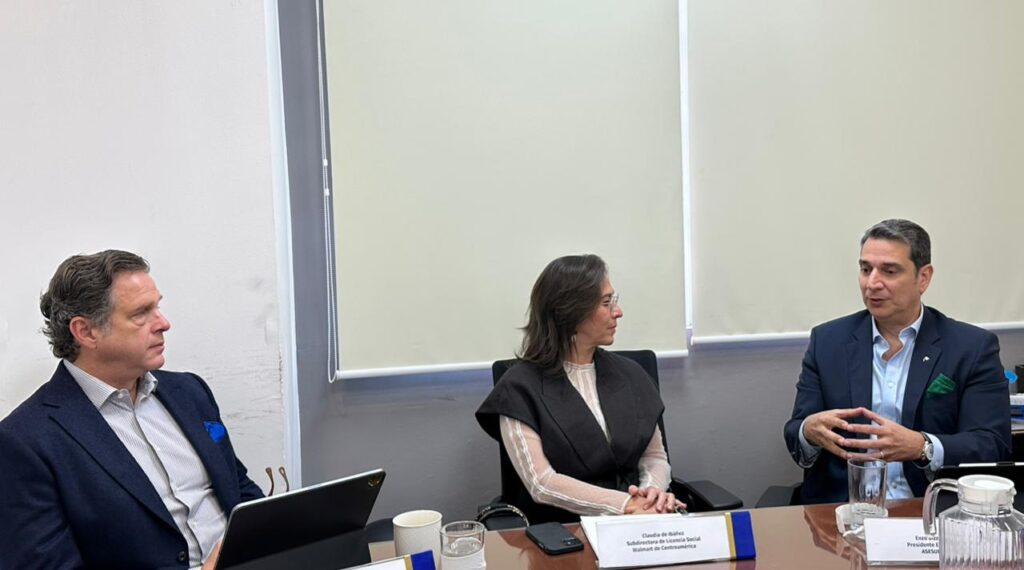
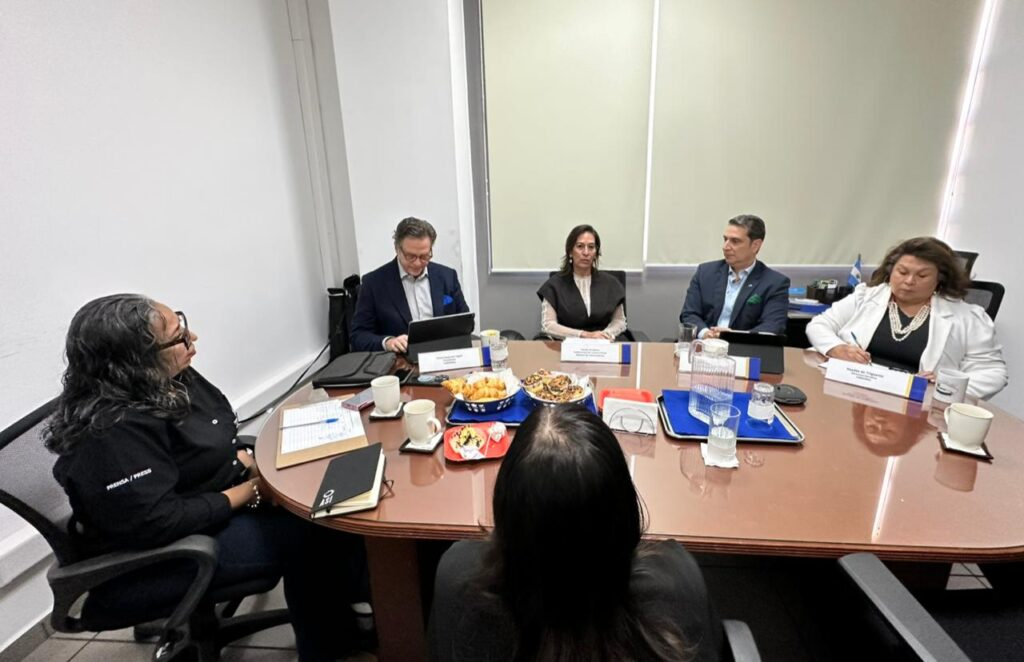
In a discussion on sustainability and business vision for 2026, Tomás Regalado Papini, President of the Fundación Empresarial para la Acción Social (FUNDEMAS), along with Claudia Ibáñez, deputy director of Social License for Walmart Central America, Enzo Bizzarro, executive president of ASESUISA, and Haydee de Trigueros, executive director of FUNDEMAS, agreed that sustainability has ceased to be merely aspirational and has become a strategic pillar that guarantees competitiveness, profitability, and long-term viability.
Sustainability as a unifying element
FUNDEMAS President Tomás Regalado Papini opened the meeting by highlighting that, in a polarized global context, sustainability is becoming a point of convergence among sectors.
“In a polarized world, sustainability is a unifying element. It’s an issue where the government, the private sector, international cooperation, and civil society can work together”, he said.
Regalado emphasized that environmental and social challenges cannot be addressed in isolation and cited the “Somos Río Lempa” project as an example, a long-term initiative focused on restoring the country’s most important watershed.
“The sustainability of salvadorans depends on the health of our natural resources. It’s a national project that requires everyone to work together”, he said.
He also highlighted the growth of sustainable finance as a tool for managing risks and strengthening resilient business models.
Walmart: Towards a regenerative company
Claudia Ibáñez explained that for Walmart Central America, sustainability is part of the corporate DNA and not an isolated area.
“For us, it’s not a project or a department; it’s part of our core business. All the decisions we make are also centered on sustainability”, she said.
Ibáñez explained that the company has evolved from corporate social responsibility to setting itself the goal of becoming a regenerative company, with plans set for 2030 and 2040.
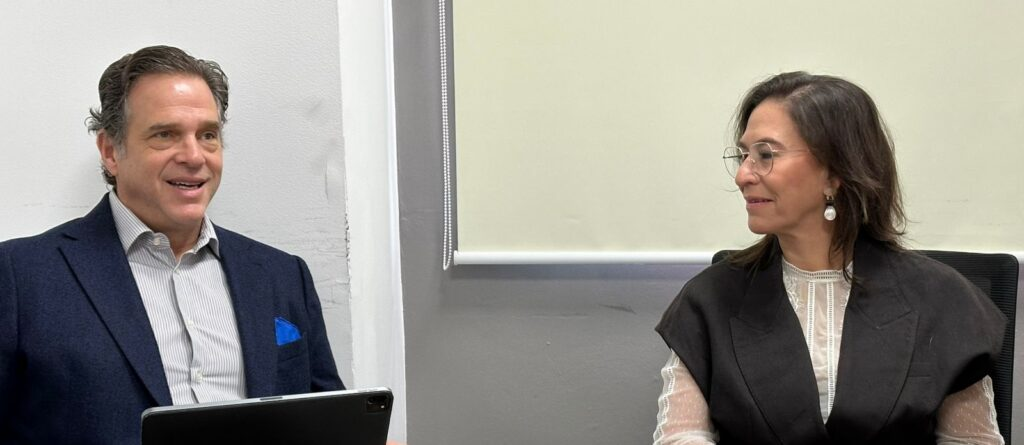
“Our commitment is to protect and restore nature, and everything we do is backed by measurable indicators. It’s not just reputational rhetoric; it’s a real commitment that can be demonstrated”, she emphasized.
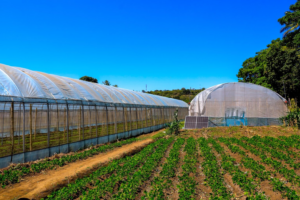
Among its strategic pillars, she mentioned: climate change, nature, zero waste, and community. The company promotes clean energy projects—including the installation of solar panels—a recycling culture, zero food waste, and the strengthening of small and medium-sized agricultural enterprises (SMEs).
“It’s a virtuous circle: if we take care of our farmers, we ensure supply, quality and long-term sustainability”, he said.
ASESUISA: Sustainability as risk management and resilience
Enzo Bizzarro, CEO of ASESUISA, emphasized that sustainability is no longer a trend, but a way of doing business.
“Sustainability has ceased to be an aspirational issue and has become part of the business strategy. It’s about understanding where we stand and how we manage our risks”, he said.
Bizzarro explained that, in the insurance sector, sustainability translates into resilience.
“We provide resilience to individuals and companies in the face of unexpected events. Being part of sustainability means ensuring that businesses can endure over time”, he explained.

ASESUISA promotes initiatives such as process digitization, solar panel installation, long-term corporate volunteering, and wellness programs in health insurance.
Furthermore, she highlighted the importance of corporate awareness: “The big change lies in the social awareness of business leaders. Understanding that if we strengthen the environment, we also strengthen the future of the business”.
FUNDEMAS: Competitiveness and sustainability must go hand in hand
The executive director of FUNDEMAS, Haydee de Trigueros, emphasized that the main challenge is demonstrating to companies that sustainability improves competitiveness.
“It’s not about having a competitiveness strategy on the one hand and a sustainability strategy on the other. It’s about integrating them to improve profitability and market presence”, she said.
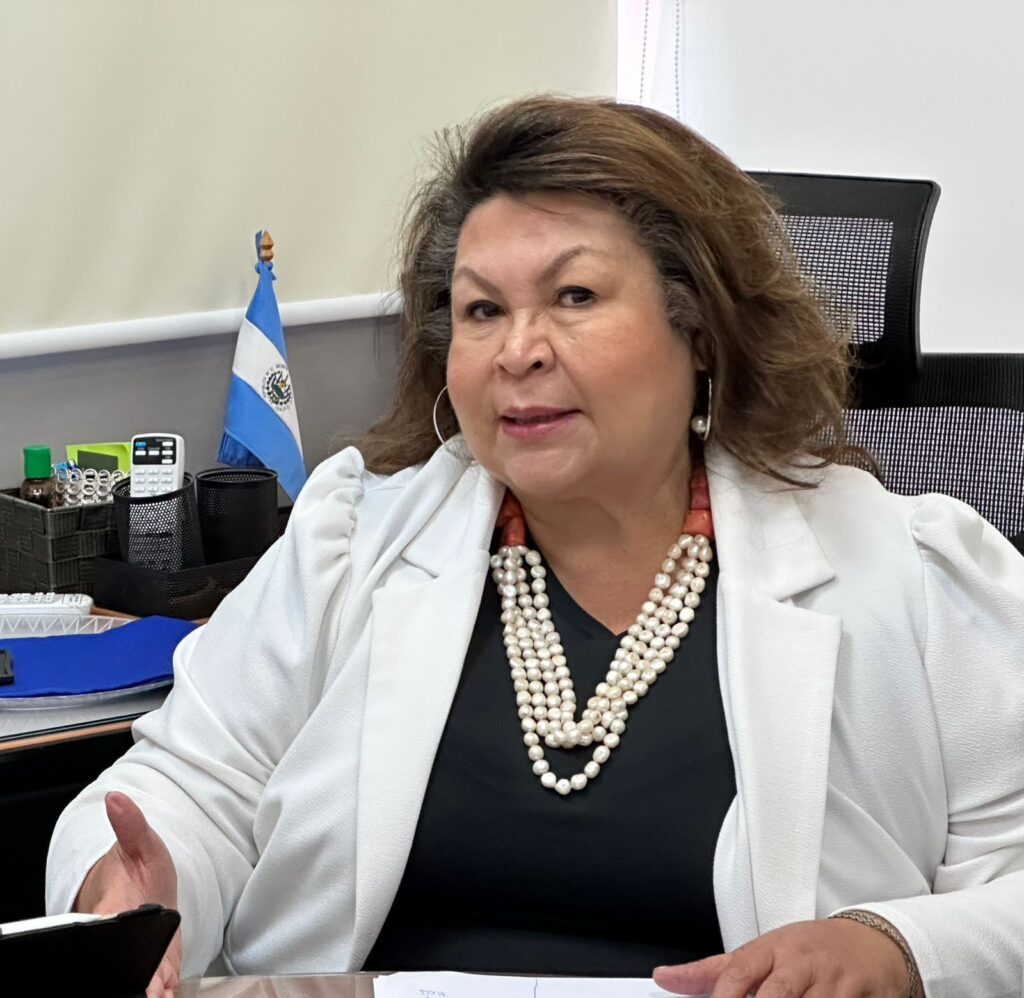
Trigueros pointed out that tools such as ESG (environmental, social, and governance) criteria allow companies to measure their impact and make smarter decisions.
She also highlighted the work with small and medium-sized enterprises (SMEs):
“SMEs represent the majority of the country’s business fabric. Incorporating sustainability can make them part of larger value chains and strengthen their growth”, she said.
Companies with purpose and a long-term vision
Participants agreed that modern companies are migrating toward purpose-based models, where sustainability and profitability go hand in hand. Beyond generating profits, organizations seek to clearly define why they exist and how they positively impact society.
Tomás Regalado Papini pointed out that profitability must be consistent and sustainable over time, while Enzo Bizzarro emphasized that integrating sustainability into strategy strengthens resilience and business competitiveness.
Claudia Ibáñez said that thinking about future generations drives responsible decisions today, and Haydee de Trigueros stressed that a clear purpose strengthens trust, internal commitment, and relationships with consumers.
Together, the leaders agreed that a long-term vision is no longer optional, but rather a key condition for sustainable growth and market presence.