

 A. M.
A. M. 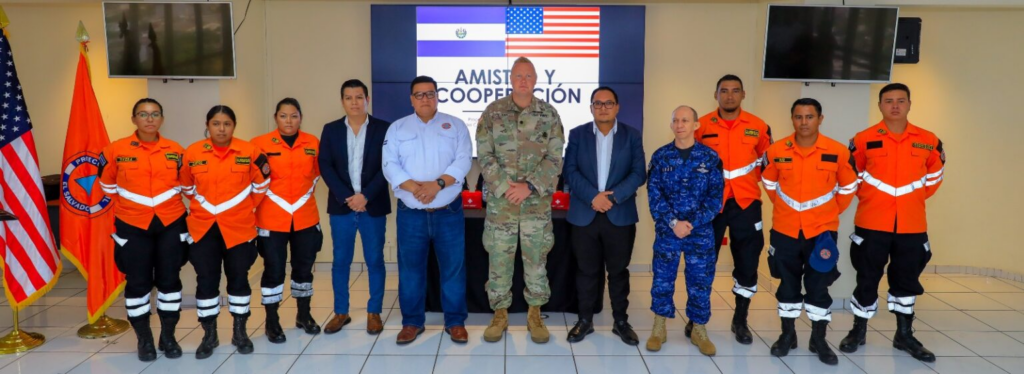
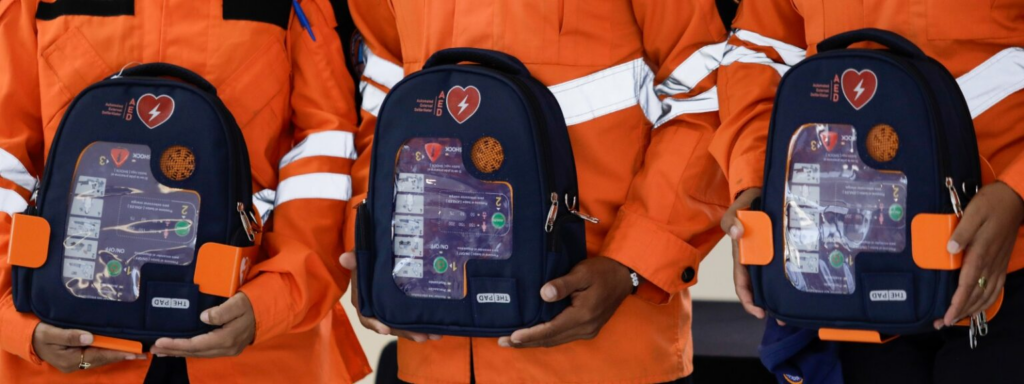
A total of 32 automated external defibrillators (AEDs), valued at approximately US$50,000, were delivered today as part of the ongoing international cooperation between the United States and El Salvador. The equipment will be assigned to the Lifeguard Unit of the General Directorate of Civil Protection, with the goal of strengthening immediate response to cardiac emergencies in tourist areas and high-traffic locations.
The devices will be distributed to beaches, public resorts, and other recreational destinations throughout the country, where rescue teams provide pre-hospital care. The addition of these defibrillators will improve response capacity in critical situations, especially in cases of cardiac arrest, where every second is crucial for saving lives.
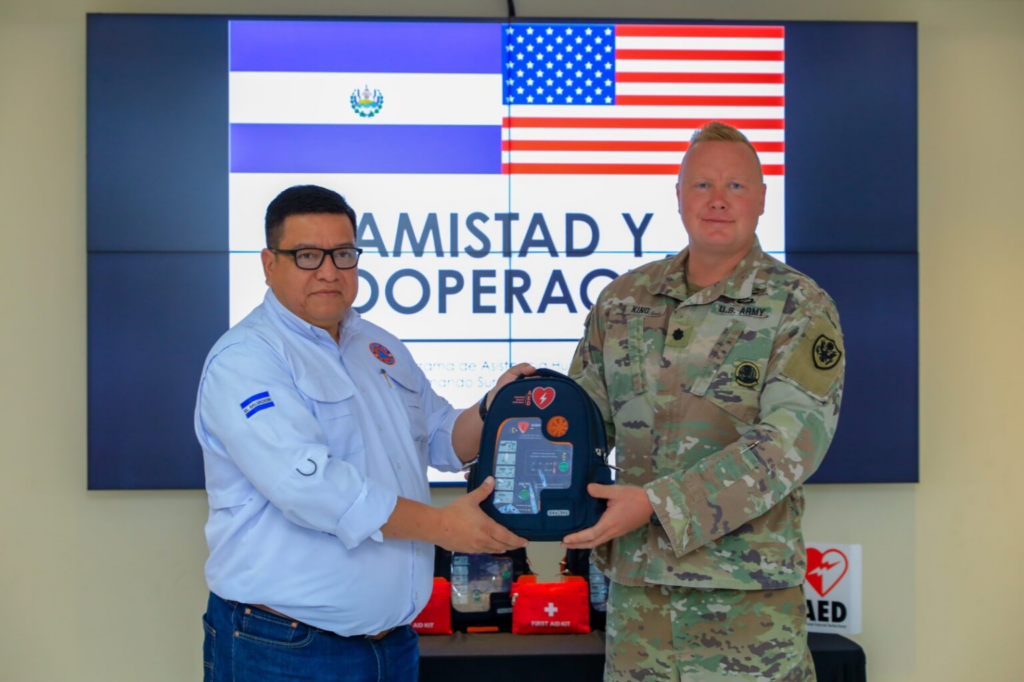
Brian King, Military Attaché at the U.S. Embassy in El Salvador, emphasized that having this type of equipment significantly increases the chances of survival. He noted that ensuring safety in tourist areas not only protects lives but also contributes to strengthening tourism, employment, and the local economy.
Luis Amaya, Director General of Civil Protection, reported that the defibrillators will be immediately installed in various tourist centers. He explained that timely rescue is only the first step in a chain of care that culminates in the patient’s transfer to a hospital, and that having the appropriate tools facilitates a more effective intervention.
The Ministry of Foreign Affairs, through the Agencia de El Salvador para la Cooperación Internacional (ESCO), indicated that this donation is part of the coordinated work with the United States Southern Command to strengthen emergency prevention, preparedness, and response. These actions aim to bolster institutional capacities and provide greater security to communities.
As part of this cooperation, six medical booths were recently delivered and installed in recreational parks and a border area, along with tools and equipment for addressing risks and climate emergencies.
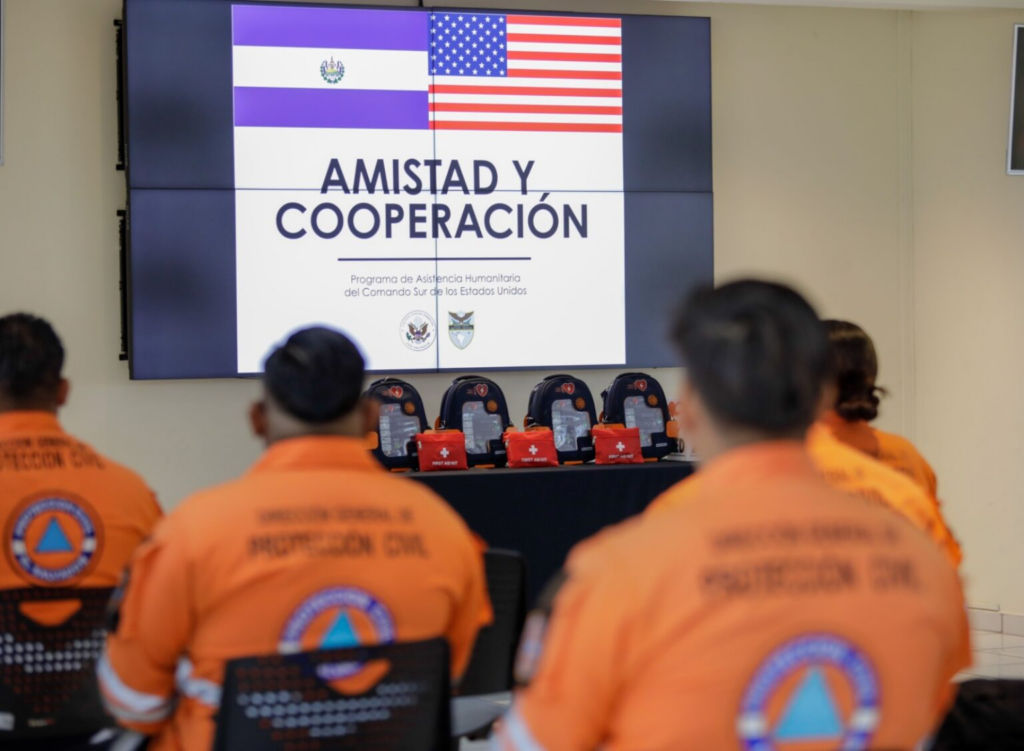
With this new supply of defibrillators, authorities aim to improve safety in the country’s main tourist destinations, reinforcing immediate medical attention and raising protection standards for both domestic and international visitors.
You can also read: