

 A. M.
A. M. 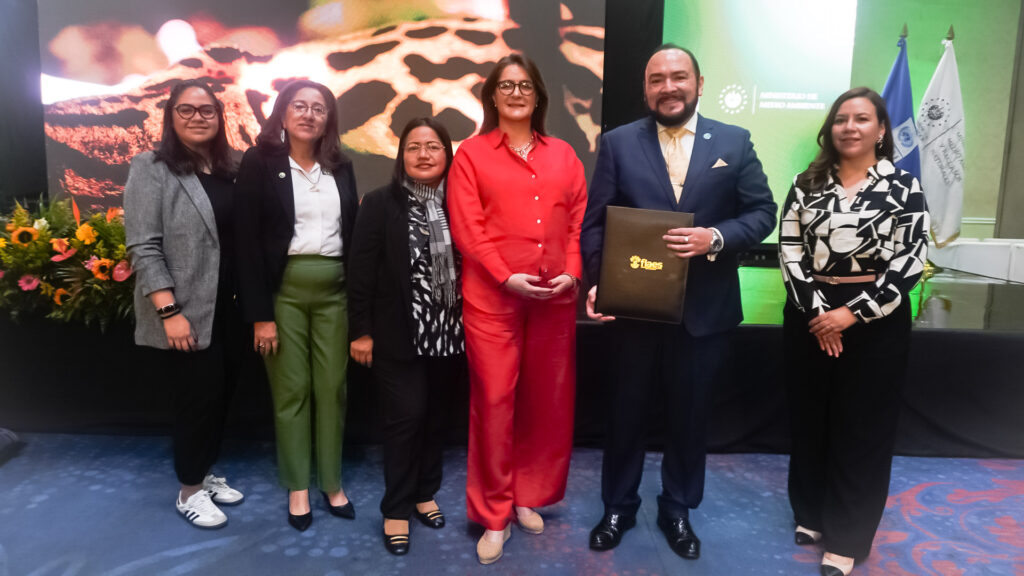
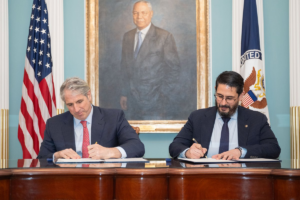
The Fondo de Inversión Ambiental de El Salvador (FIAES) y la Red de Observadores Ciudadanos (ROC), a Mexican organization with a track record in marine conservation in the Gulf of California since 2013, signed a cooperation agreement for the implementation of the Comprehensive Bioecological Assessment and Health Status of the Salvadoran Reef Ecosystem Project.
This project represents one of the strategic actions of the TFCCA specifically focused on the country’s reef ecosystems. It involves an investment of US$228,000 from the TFCCA, administered and channeled by FIAES since 2021, which allocates US$21 million for environmental conservation over 10 years.
The study will have the technical support of the Ministerio de Medio Ambiente y Recursos Naturales (MARN), and will allow for a comprehensive assessment of the health of El Salvador’s three main reef systems: Los Cóbanos, Costa del Bálsamo, and Punta Amapala.
This is the first comprehensive bioecological assessment of reef ecosystems in El Salvador, and it also introduces an unprecedented collaborative science model in the country, generating a standardized scientific baseline for future monitoring processes and international comparability.
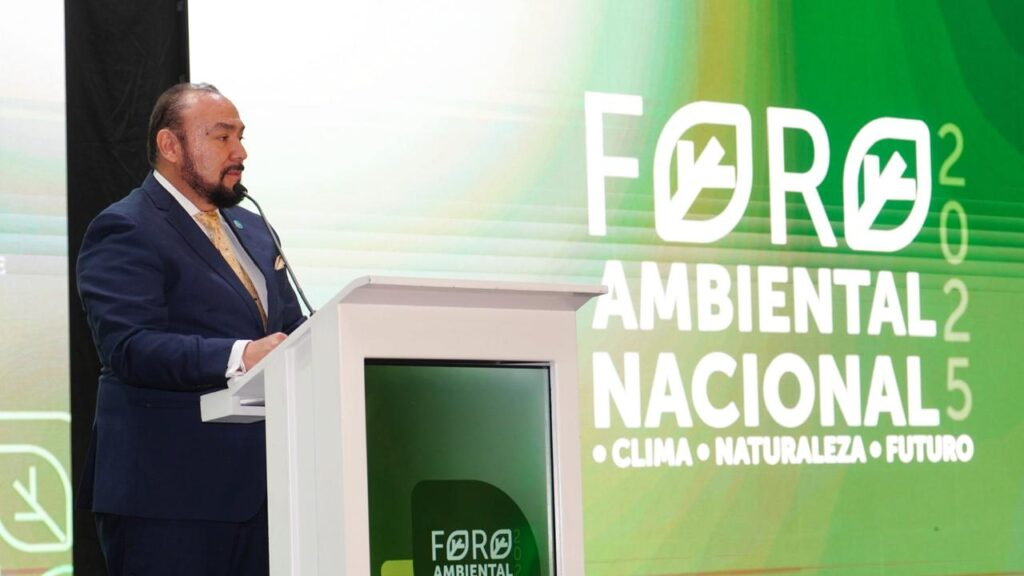
Jorge Oviedo, executive director of FIAES, emphasized: “This agreement marks a milestone for El Salvador. For the first time, we are integrating applied science, monitoring, and citizen participation to understand and protect our country’s coral reefs. In collaboration with ROC (Mexico), in coordination with the Ministerio de Medio Ambiente (MARN);and with funding from the TFCCA, we are laying the groundwork for evidence-based conservation decisions”.
ROC will be responsible for implementing methodologies adapted to the characteristics of El Salvador’s reefs, promoting the participation of fishermen, students, coastal communities, and field technicians in the monitoring and recording of marine biodiversity.
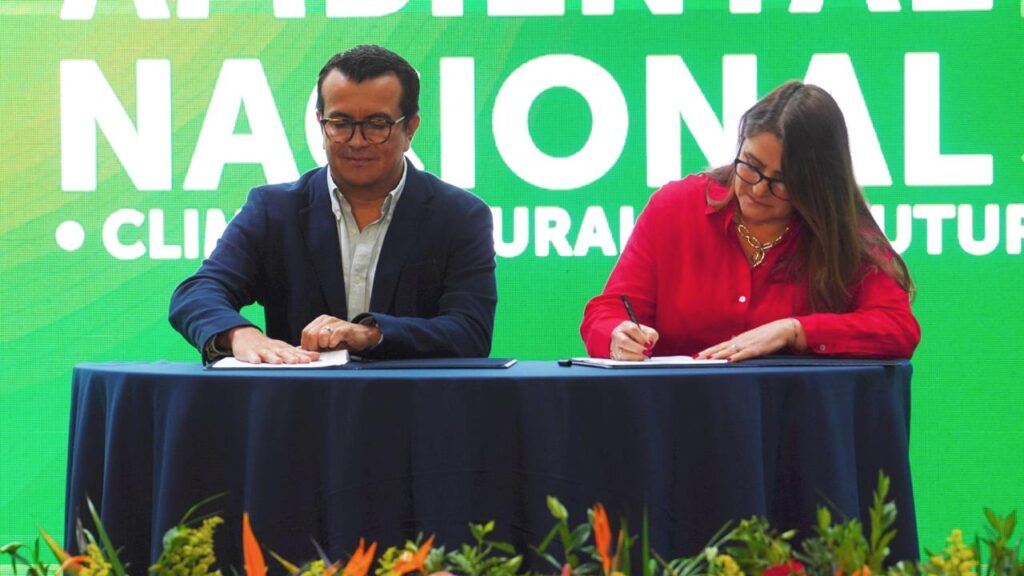
With more than a decade of experience in citizen science, ecological monitoring, and collaborative science, the organization guarantees a technically sound process with strong community involvement. “I am confident that this will be the beginning of a path of expansion and replication of our work”, said María Ugarte Luiselli, executive director of ROC.
Among the main expected results are:
• Assessment of marine biodiversity and the health status of the reef ecosystem.
• Creation of a specialized digital library with historical and current information on salvadoran reefs.
• Development of ecological indicators and a replicable monitoring program for future assessments.
• Estimates of coral growth and a comprehensive oceanographic characterization, which will serve as a baseline for restoration initiatives.
• Promotion of a conservation culture through awareness-raising activities with fishermen, students, and local stakeholders.
The project will also include the identification and assessment of local, regional, and global environmental stressors to understand their impact on the health of reef ecosystems. In addition, training workshops and participatory monitoring mechanisms will be developed to strengthen the technical capacities of those who work with these ecosystems daily.
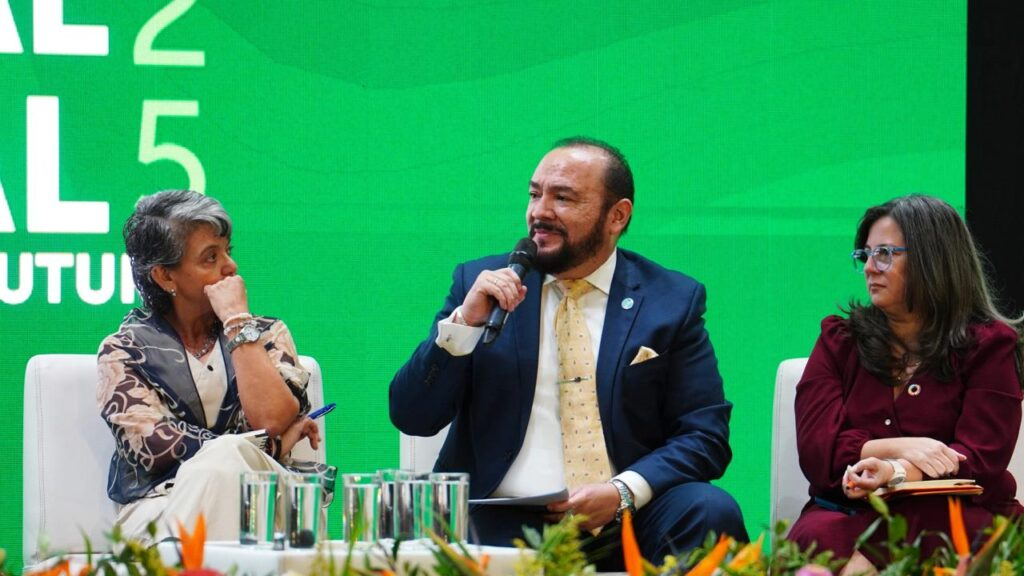
It will feature the participation of high-level specialists from the Autonomous University of Baja California Sur, whose more than 25 years of experience in reef monitoring guarantee the quality of the data generated; as well as Fundación Naturaleza El Salvador, a salvadoran partner organization that will allow for the follow-up of similar actions after the project’s completion.
Valid for 14 months, the agreement will generate preliminary findings in its initial stages, facilitating early monitoring of progress. The resulting information will provide government institutions, coastal communities, organizations, and private stakeholders with a key scientific tool for decision-making aimed at conserving marine biodiversity and protecting reef-dependent livelihoods, ensuring their long-term sustainability.
You can also read: