

 A. M.
A. M. 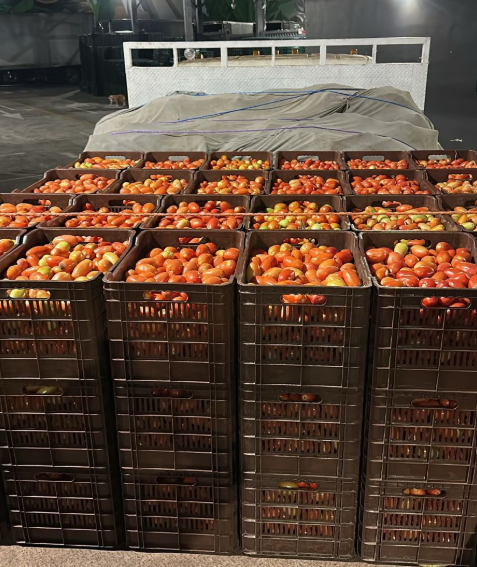
The Vice Minister Ad-Honorem of the Ministerio de Agricultura y Ganadería (MAG), Óscar Domínguez, emphasized that a large portion of the products sold in the country’s AgroMercados come directly from the daily work of national farmers, who deliver their harvests to the Central de Abastos early in the morning, a key point in the food distribution chain.
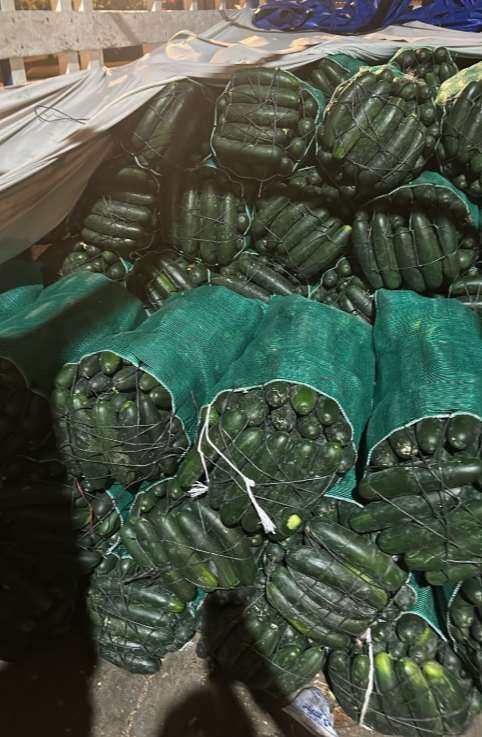
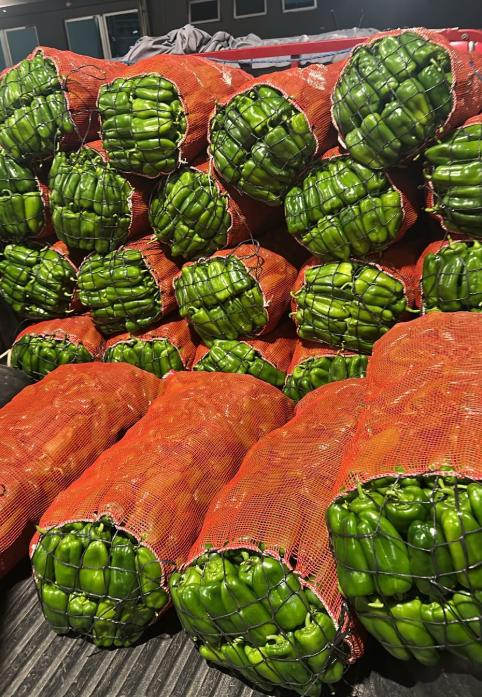
Through his account on the social network X, Domínguez explained that products such as tomatoes, cucumbers, chili peppers, bananas, plantains, and other basic consumer goods first arrive at the Central de Abastos and are subsequently distributed to the AgroMercados, thus guaranteeing a direct connection between the producer and the end consumer.
From an economic perspective, this supply model aims to reduce costs associated with intermediaries, improve logistical efficiency, and contribute to greater stability in food prices. By centralizing the receipt and distribution of agricultural production, a more consistent supply is promoted, helping to prevent shortages and inflationary pressures on essential food items.
The Deputy minister also emphasized that the country will have an abundant corn harvest, one of the strategic grains for food security. “We are going to have plenty of corn”, he affirmed, stressing that this availability eliminates any justification for unjustified price increases by intermediaries or actors seeking to exploit the market.
Domínguez emphasized that with a solid and sufficient supply, there should be no excuse for speculative practices. In economic terms, increased production and a constant flow to points of sale tend to balance the relationship between supply and demand, resulting in more affordable prices for the population.
Strengthening domestic production and channeling it through farmers’ markets not only benefits consumers but also farmers, who find a more direct outlet for their products. This helps improve their income, revitalize rural economies, and reduce dependence on imports.
Together, these actions aim to consolidate a more transparent and efficient supply system, with a positive impact on price stability, controlling speculation, and strengthening the country’s agricultural economy.
You can also read: