

 A. M.
A. M. 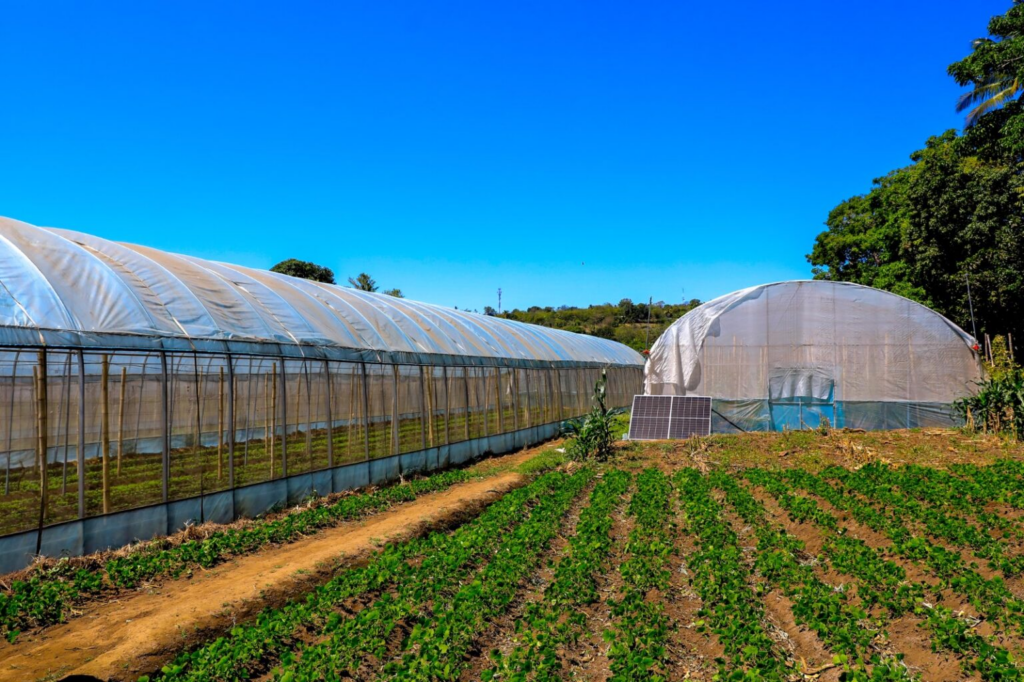
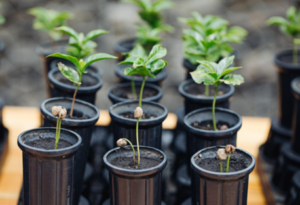
A rural development initiative in the west of the country is transforming agricultural production and generating new economic opportunities for around 600 families in Sonsonate and Ahuachapán. The program is supported by the World Food Program (WFP) and funded by the Government of Canada.
The project began last year and its main objective is to improve the climate resilience of small-scale producers facing adverse conditions such as prolonged droughts, sudden changes in climate, and soil degradation. These situations have historically affected the productivity and income of farming families in the area.
More resilient and sustainable production
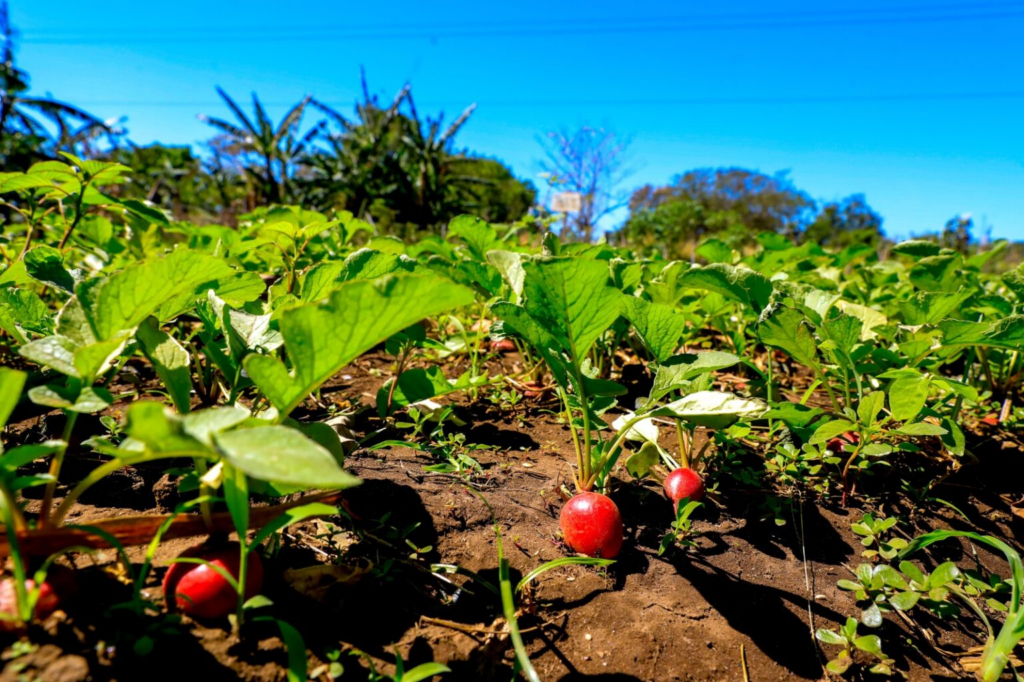
As part of the strategy, farmers are adopting protected agriculture systems, soil conservation techniques, and more efficient water use methods. Organic production and food processing are also being promoted, adding value to what is grown.
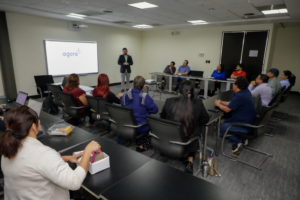
The program is not limited to improving planting techniques. It includes training in financial management, marketing, and access to local markets, with the aim of enabling producers to sell their crops directly and obtain better prices.
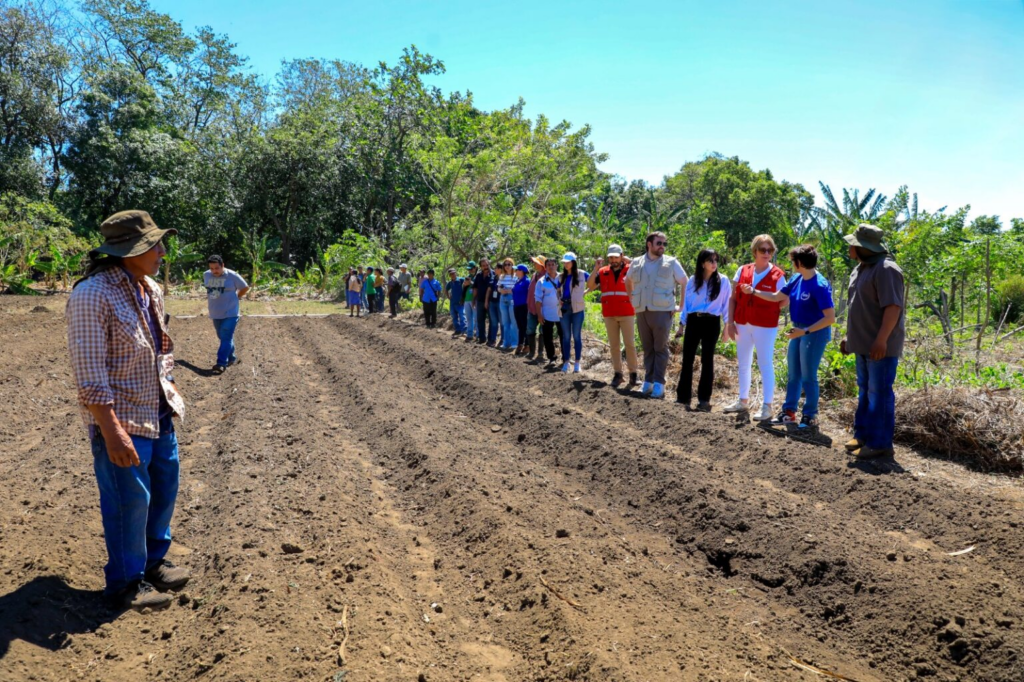
In addition, it promotes community leadership and the active participation of women, strengthening local organization as a key tool in the face of climate change and economic challenges.
Diversification and food security
The initiative encourages the production of fresh vegetables and fruits but also promotes crops such as sorghum and the establishment of community farms for egg and meat production. This diversification helps improve families’ diets and strengthens food security in communities.
The comprehensive approach seeks not only to increase household incomes, but also to provide nutritious and accessible food, reducing their vulnerability to external crises.
Visible results in communities
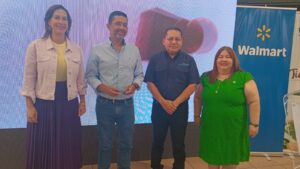
During an agricultural fair held in the Central Park of the Sonsonate district, participating producers presented their crops and shared their experiences. The event was attended by the deputy minister of Foreign Affairs, Adriana Mira; the WFP representative in the country, María Guimarães; and the Canadian ambassador to El Salvador, Mylène Paradis, who saw the progress of the program firsthand.
Óscar Pérez, a member of the Agricultural Committee for Territorial Development in the district of Sonzacate, highlighted that they now have greater capacity to market their products directly and strengthen community organization.
Farmer Dinora Marín, from the district of Acajutla, said that the improvements implemented have allowed them to increase production and sell at better prices.
This joint effort consolidates a model that combines technical assistance, financing, and organizational strengthening, aimed at building more productive and resilient agricultural communities with greater development opportunities in the western part of the country.
You can also read: