

 A. M.
A. M. 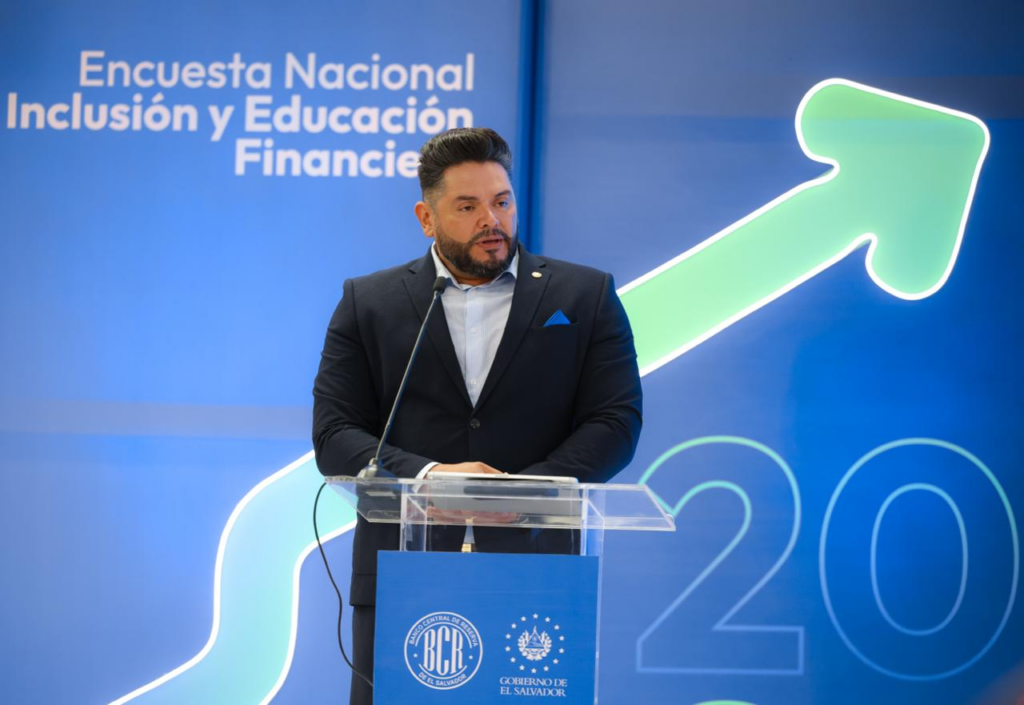
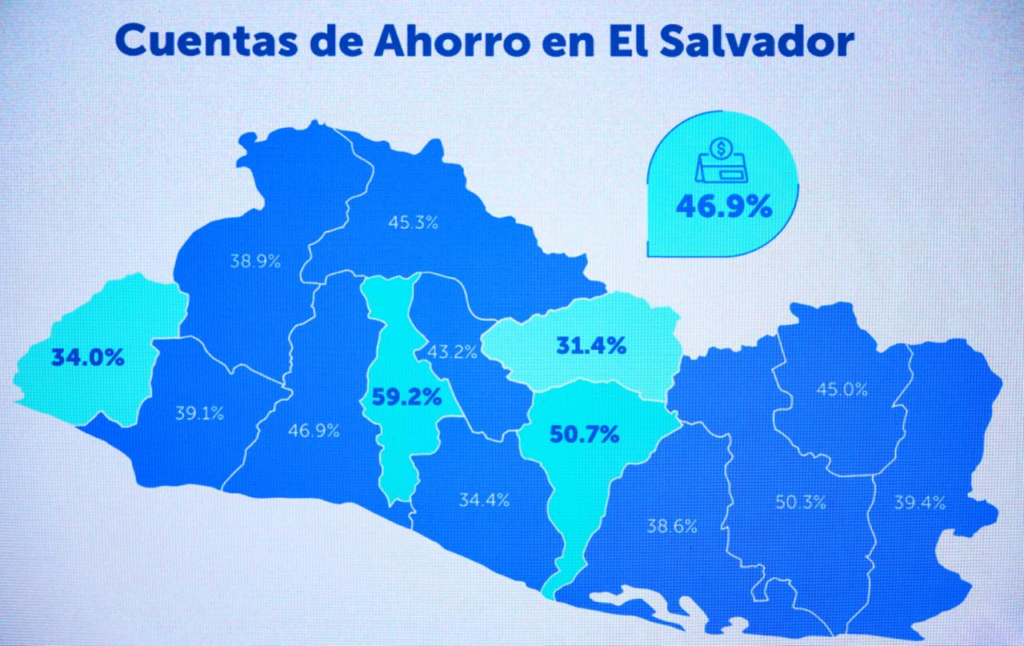
Financial inclusion continues to advance in El Salvador. The 2025 Encuesta Nacional de Inclusión y Educación Financiera 2025 (ENIEF), presented by the Banco Central de Reserva (BCR), reveals that 46.9% of the adult population has a savings account at a formal financial institution, reflecting greater integration of households into the financial system and increased confidence in this sector.
At the same time, access to formal financing shows significant progress. 23% of the population has some type of credit, representing an important step toward meeting consumption, investment, and entrepreneurial needs. Furthermore, 10.8% of those surveyed have a credit card, expanding the financing options available to households.
Other indicators confirm a gradual expansion of financial inclusion. 22.4% of the population has some type of formal insurance, mainly life and medical, while 20.1% has pension savings, mostly concentrated in Administradoras de Fondos de Pensiones.
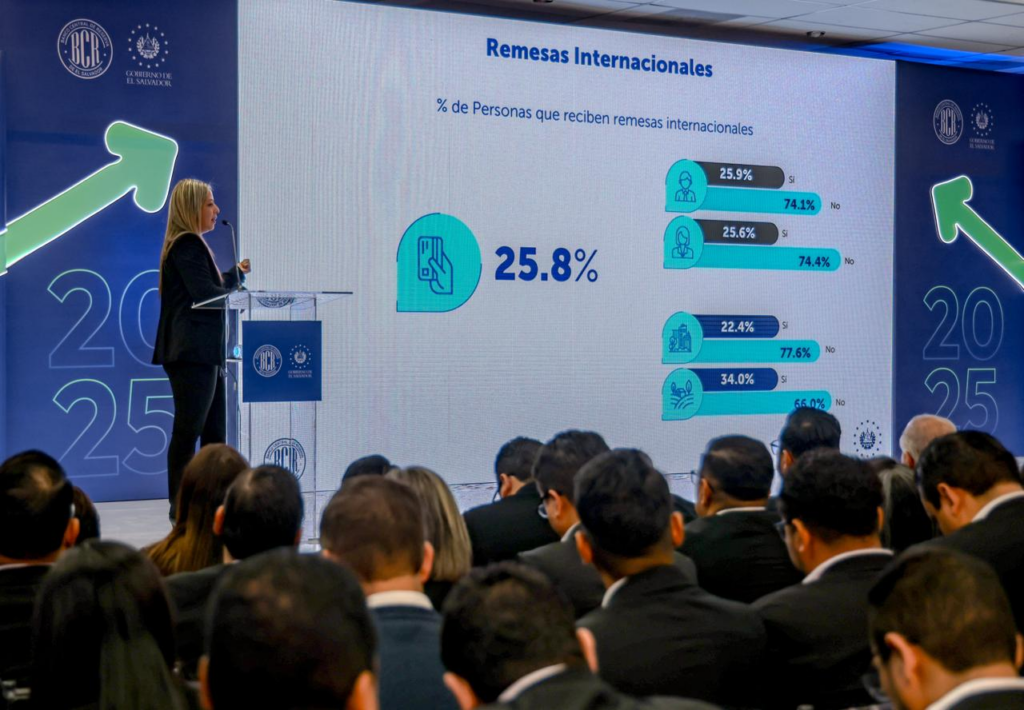
The survey also reveals progress in the use of formal channels for managing remittances and transfers. 25.8% of respondents reported receiving remittances through money transfer companies or deposits into savings accounts, and Transfer365 solidified its position as the leading interbank transfer service, accounting for 93% of transactions among those who use this type of service.
Regarding financial capabilities, the financial literacy indicator scored 14.3 out of a possible 21, providing key information for the design of public policies aimed at improving the population’s economic decision-making.
This access also translates into greater use of associated financial instruments, as 79 out of every 100 people with savings accounts have a debit card, facilitating the daily use of financial services and access to electronic payments.
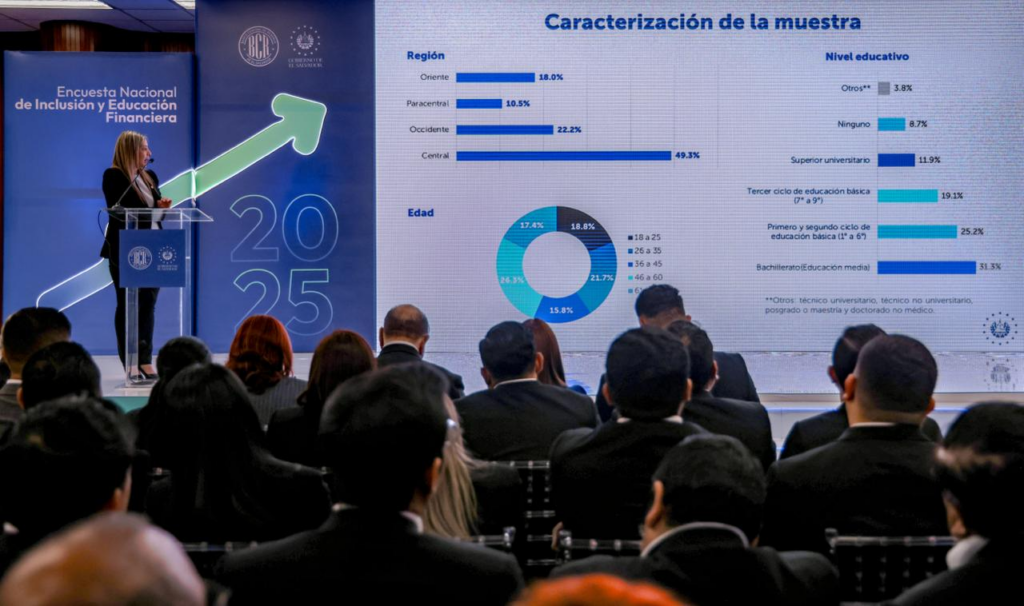
Finally, the BCR reported that the ENIEF 2025 was conducted entirely digitally, with national coverage in urban and rural areas of all 14 departments of the country. Data collection took place between september 22 and october 22, 2025, with a representative sample of 10,776 households. The results were then extrapolated to the population level using the Censo de Población y Vivienda 2024 as a reference.
You can also read: