


 A. M.
A. M. 
In El Salvador, micro and small entrepreneurs constitute 99.6% of all productive units in the country, consolidating themselves as the fundamental pillar of the national economy, according to the president of the Comisión Nacional de la Micro y Pequeña Empresa (Conamype), Paul Steiner, during a television interview. This data reflects not only the magnitude of the sector, but also its direct impact on job creation and economic revitalization.
According to the figures presented, the country has 980 large companies, 2,800 medium-sized, 17,000 small and more than 1.1 million microenterprises. The latter, for the most part, operate with less than three workers, while others exceed that number, evidencing the diversity within the sector. Altogether, micro and small businesses concentrate almost the entire business fabric, which explains why their strengthening is key to sustainable economic development.
In this context, Steiner said that Conamype’s role has evolved significantly in recent years, especially after the reforms promoted in 2021 during the administration of President Nayib Bukele. These changes to the MYPE Law made it possible to unblock financial mechanisms that for years have limited access to resources for this sector.
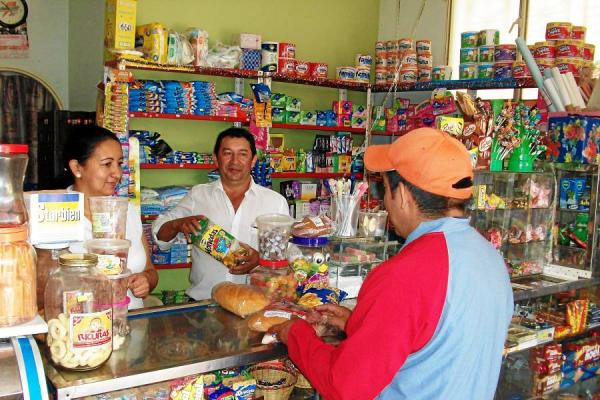
As a result of these reforms, two key instruments established by law were reactivated: the Fondo Especial para la Micro y Pequeña Empresa (Fecamype) and the Programa de Garantías para la Micro y Pequeña Empresa (Programype). The first facilitates direct loans to entrepreneurs and small businesses, while the second acts as support for those who do not meet the requirements of traditional banking, allowing them to access financing.
This availability of financial resources is directly connected to another of the sector’s great challenges: formalization. In this sense, Steiner stressed that the objective is not only to increase the number of registered companies, but to guarantee that they are sustainable over time. “We want to make the processes easier for micro and small businesses to formalize. Formalization begins with professionalization, solidification and profitability”, he said.
As part of this comprehensive approach, the Government has promoted initiatives aimed at strengthening the economic integration of these businesses. An example of this is the Economic Integration Policy for Microenterprises, signed in november 2023, which seeks to incorporate micro and small businesses into the formal economy through concrete actions.
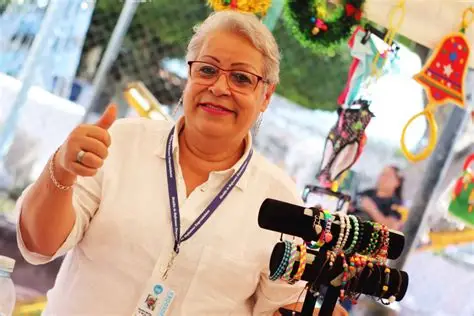
These measures include the simplification of procedures, the promotion of an entrepreneurial culture and training in business management. In addition, financial inclusion is promoted, with the objective that more businesses can access working capital and tools that allow them to grow and compete in better conditions.
In this way, the actions promoted by Conamype and the Government respond to the need to serve a sector that, although it represents almost all the companies in the country, has historically faced limitations to fully develop.
In summary, the fact that 99.6% of Salvadoran entrepreneurs belong to the micro and small segment not only measures its importance but also shows the urgency of continuing to strengthen public policies that promote their growth, formalization and sustainability in the long term.
You can also read: