

 A. M.
A. M. 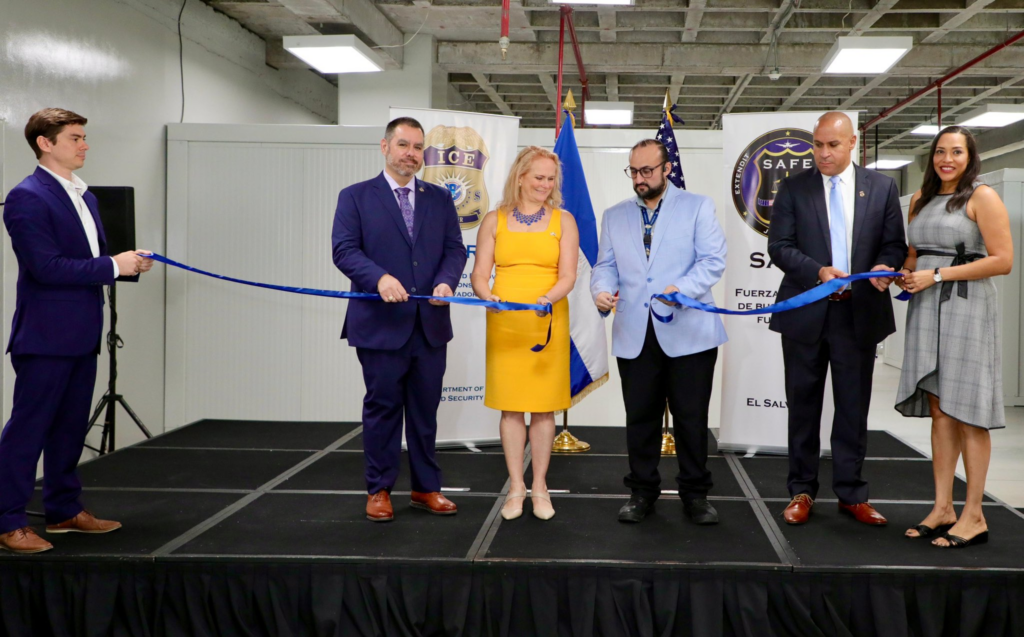
The recently inaugurated improvements at Aeropuerto Internacional de El Salvador “San Óscar Arnulfo Romero y Galdámez”reinforce not only security and justice processes, but also the operational efficiency of one of the country’s key strategic infrastructures, with direct impacts on airport management and international cooperation.
With support from the U.S. government, a remodeled space was opened for the reception and assistance of returning salvadorans, in response to the increase in repatriation flights. The project included the modernization of the reception area and the creation of specialized areas for different user profiles, such as minors and family groups, allowing for more organized and efficient service.
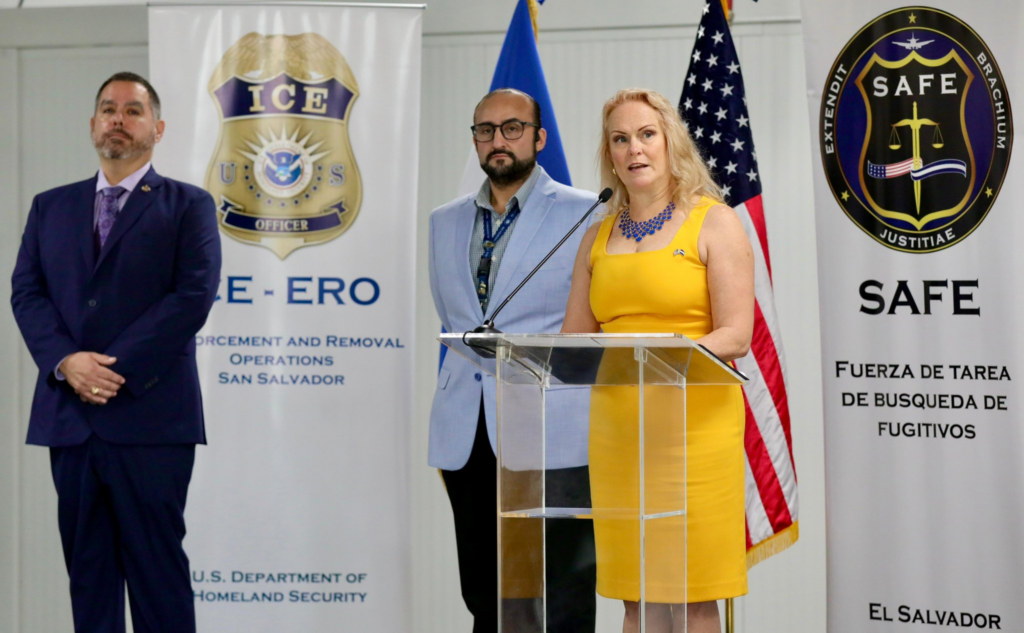
From an economic and operational perspective, these improvements help optimize airport flows, reduce processing times, and enhance inter-institutional coordination—key factors for the airport’s logistical efficiency. In addition, spaces for intelligence interviews, tattoo screening, and internet connectivity were added, enabling real-time biometric verification and strengthening controls without disrupting operations.
During the inauguration, representatives from the U.S. Embassy emphasized that adequate infrastructure facilitates the timely exchange of information between agencies from both countries, improving risk management and reducing operating costs associated with lengthy or duplicated processes. These actions also raise the airport’s operating standards, a key asset for connectivity, trade, and tourism.
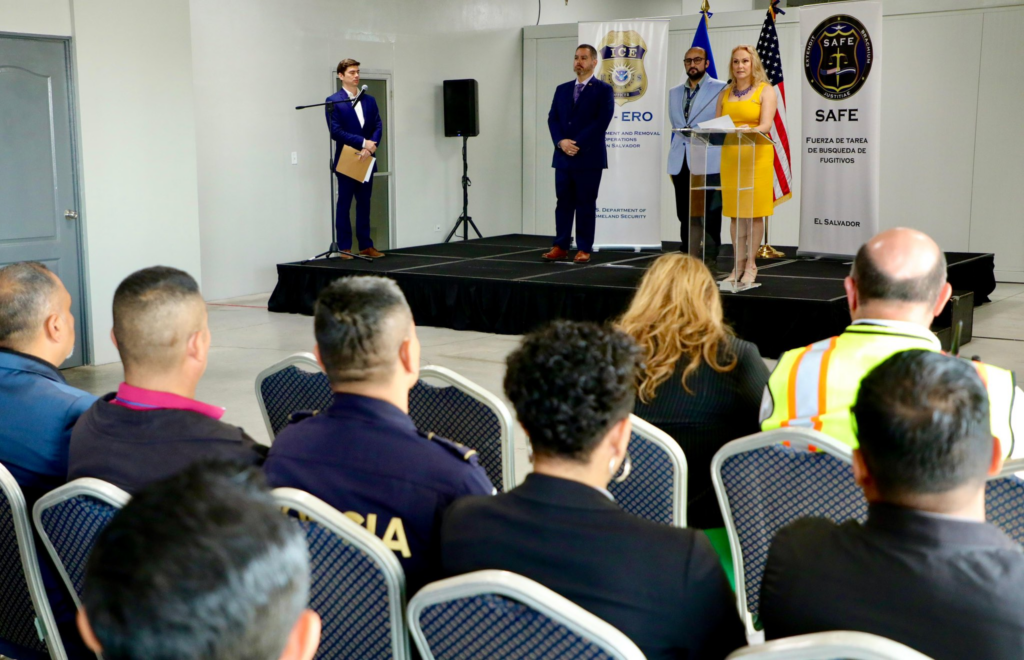
The project was implemented under the leadership of the U.S. State Department’s Bureau of International Narcotics and Law Enforcement Affairs (INL), in coordination with ICE-ERO, the Policía Nacional Civil and Comisión Ejecutiva Portuaria Autónoma (CEPA). Airport authorities expressed their gratitude for the U.S. support, emphasizing that the investment in infrastructure and technology strengthens the country’s institutional capacity and creates more efficient conditions for migration management.
The authorities agreed that this type of international cooperation not only contributes to regional security but also drives structural improvements in key infrastructure, with economic benefits stemming from more efficient processes, greater operational capacity, and a more modern and functional airport environment.
You can also read: