

 A. M.
A. M. 
Representatives of the Cámara de Comercio e Industria de El Salvador (Camarasal) indicated that geopolitical tensions and rising oil prices could put pressure on logistics costs and supply chains serving the country, although no direct impacts on El Salvador’s trade routes have been observed so far.
During an interview on the program “Frente a Frente”, Karla Méndez, Director of Technical Affairs at Camarasal, explained that the country is part of a globalized economy, so any disruption in international markets can ultimately affect logistics, delivery times, and the cost of transporting goods.
She said that although El Salvador does not have direct routes to areas affected by international conflicts, the effects are reflected in other factors that impact global trade, such as the price of oil, container traffic, and maritime transport rates. “For us, it is essential to understand that all our companies and our country are part of a globalized environment. Even if we don’t have a direct route to those areas, the impact can be felt throughout the entire logistics chain”, Méndez said.
Impact on transportation and freight costs
The specialist indicated that one of the main effects that could be seen in the coming weeks is an increase in international transportation costs, due to rising fuel prices and possible changes in the trade routes used by shipping companies.
These factors could cause delays in the movement of goods, as well as higher operating costs, which could eventually be reflected in the prices of some imported products.
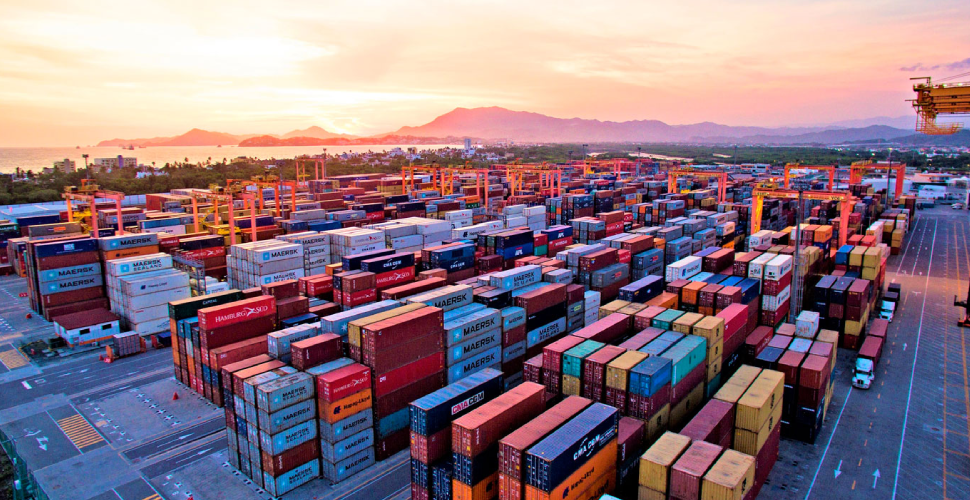
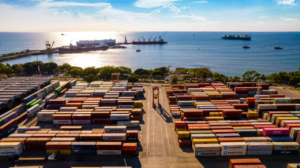
Méndez explained that container shipping could also be affected by the reorganization of maritime routes, which puts pressure on equipment availability and raises logistics costs.
“The issue of fuel and container replenishment complicates the entire logistics chain, because it implies delays and higher costs for moving products from one point to another”, she stated.
Rising oil prices put pressure on logistics
Néstor Cañizález, Vice President of the Transportation and Logistics Committee of Camarasal, explained that one of the key points of international impact is the Strait of Hormuz, a strategic route through which approximately 20% to 25% of the world’s traded oil passes.
According to the representative of the trade association, the price of a barrel of oil has experienced a considerable increase in recent days, directly influencing transportation and logistics costs.
“On friday, february 27, a barrel of oil was around $66, and now it’s around $77, which represents a fairly substantial increase”, he explained.
In El Salvador, this increase has already resulted in a recent adjustment of approximately five cents per liter in fuel prices, although the sector anticipates further increases if the trend continues.
Potential impact on food and consumer products
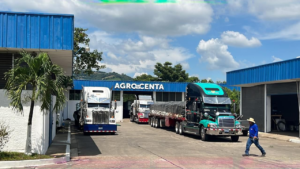
Cañizález pointed out that the increase in fuel prices could have a direct impact on land transportation, which is the primary means of moving goods within the country.
This factor is crucial, especially in the distribution of food and everyday consumer goods.
“When we talk about how food gets to our tables, land transportation is fundamental. Therefore, any increase in oil prices ultimately impacts logistics costs”, he explained.
Call to prepare contingency plans
Given this scenario, Camarasal recommended that salvadoran companies anticipate potential changes in international trade and strengthen their planning strategies.
Among the main recommendations are diversifying logistics routes, adjusting inventories, and developing contingency plans to respond to potential disruptions or increases in transportation costs.
Méndez indicated that international uncertainty compels companies to remain prepared, as it is impossible to predict exactly how long the tensions affecting global markets might last.
“Alongside the uncertainty, there must be a contingency strategy. Companies must prepare and review their inventories because we don’t know how long this situation might last”, he said.
In this context, the association reiterated the importance of business planning and adapting to an increasingly dynamic international environment, where geopolitical and economic factors can directly influence the country’s commercial activity.
You can also read: