

 A. M.
A. M. 
Latin America and the Caribbean continue to face a scenario of moderate growth; however, Central America stands out for its stronger economic performance, with several countries exceeding the regional average projected for 2026.
According to the World Bank’s Latin American and Caribbean Economic Outlook 2026, the region will grow by around 2.1% in 2026, while Central American economies are showing more dynamic figures.

In this context, El Salvador is projected to register growth of 3.2% in 2026, remaining above the Latin American and Caribbean average and demonstrating signs of economic stability. This performance is supported by consumption, remittance, and dynamism in sectors such as trade and tourism.
At the subregional level, other countries also show positive results:
Costa Rica: 3.6%
Guatemala: 3.7%
Honduras: 3.4%
Panama: 3.9%
In contrast, other Latin American economies show more moderate or volatile growth. This is the case of Ecuador, which, after registering a contraction of -2.0% in 2024, projects a recovery of 2.5% in 2026, demonstrating a slower adjustment process compared to the dynamism observed in Central America.
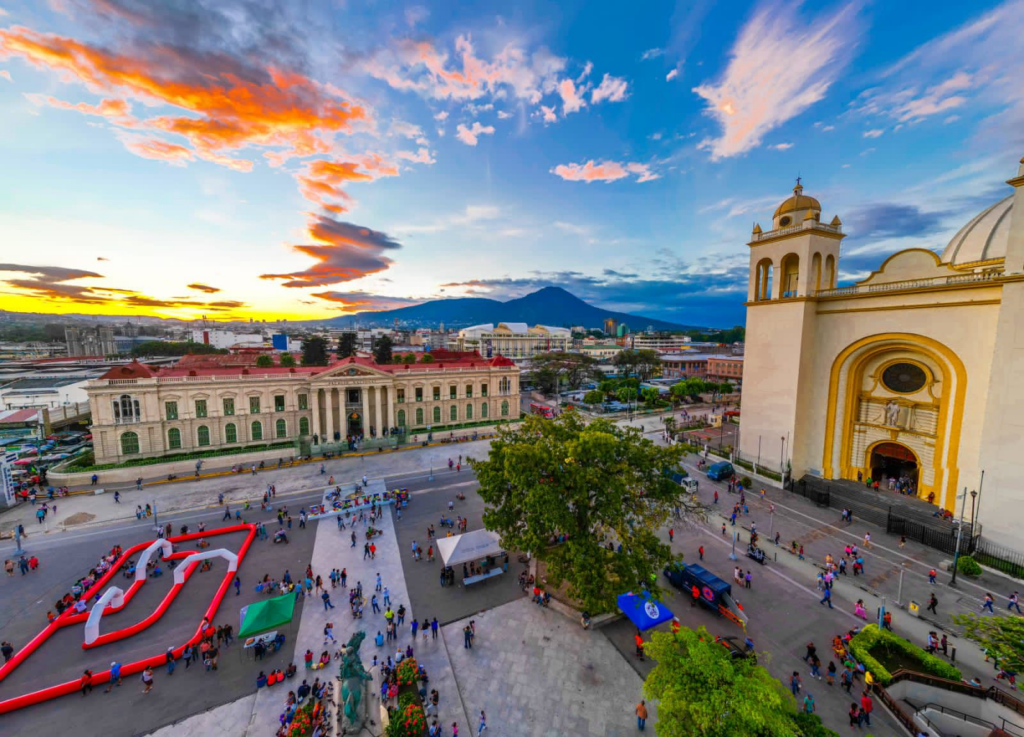
The report emphasizes that, in the case of El Salvador, improvements in the economic environment have contributed to sustaining growth, favoring investment and productive activity.
However, the World Bank warns that significant risks persist. The global environment continues to be marked by high interest rates, slower growth in advanced economies, and geopolitical tensions, factors that could limit investment and slow growth in the coming years.
The challenge for El Salvador and the rest of Central America will be to sustain this pace through policies that boost productivity, strengthen private investment, and generate higher-quality jobs.
You can also read: