


 A. M.
A. M. 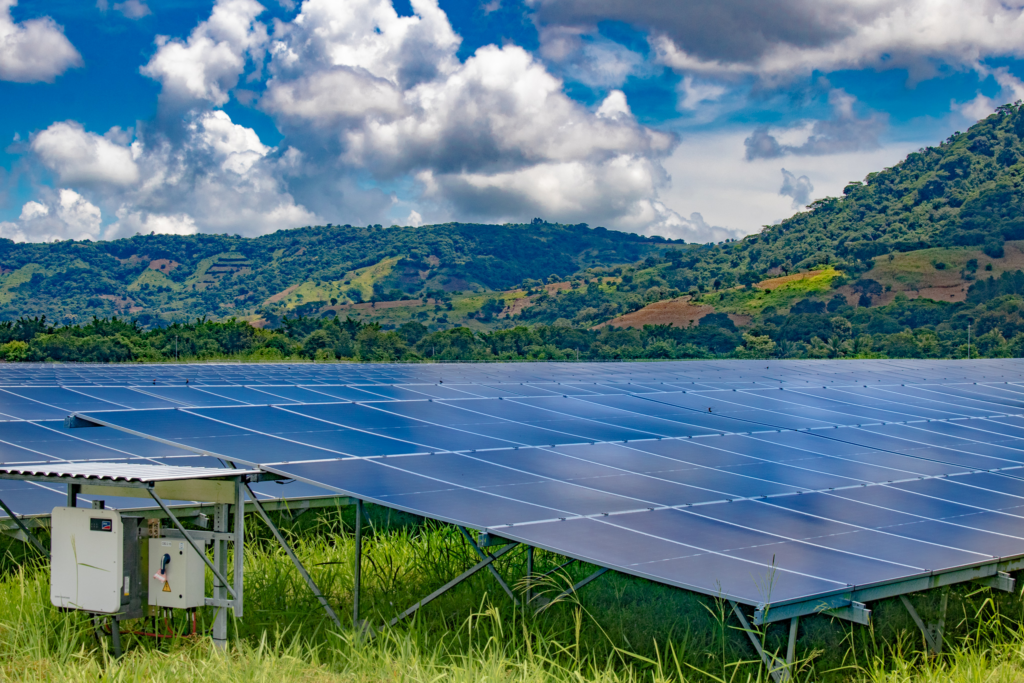
The Technology, Tourism, and Investment Commission of the Legislative Assembly issued a favorable opinion on reforming the General Electricity Law, with the main objective of creating a retail energy market that regulates distributed generation transactions and complements the wholesale market. The decision still needs to go to the Assembly’s plenary session for final approval.
The amendments seek to establish clear rules for distributed generation, that is, energy produced by small generators connected to distribution networks, such as solar power, allowing end users to benefit from lower electricity rates. Currently, prices are determined through bilateral contracts between generators and distributors, which has created regulatory gaps that this reform seeks to correct.
According to Daniel Álvarez, director general of Energy, Hydrocarbons, and Mines, distributed generation in the country has grown to 553 megawatts of installed capacity, without a comprehensive regulatory framework. The reforms will allow for precise measurement of the energy generated and fed into the grid, and for the correct transfer of costs to electricity rates. For example, generating energy with diesel can cost around $100 per megawatt, while with solar energy the cost is around $50, which translates into savings for users if the use of renewable sources increases.

In addition, the initiative incorporates measures to strengthen the technical and operational oversight of the electrical system, including:
• Regulation of interconnection and grid access processes.
• Monitoring and traceability of projects, given the growing investor interest in renewable energy.
• Mandatory technical studies to ensure the grid can integrate new projects.
• Real-time monitoring and control of distributed generation plants.
• Integration of technologies such as energy storage systems.
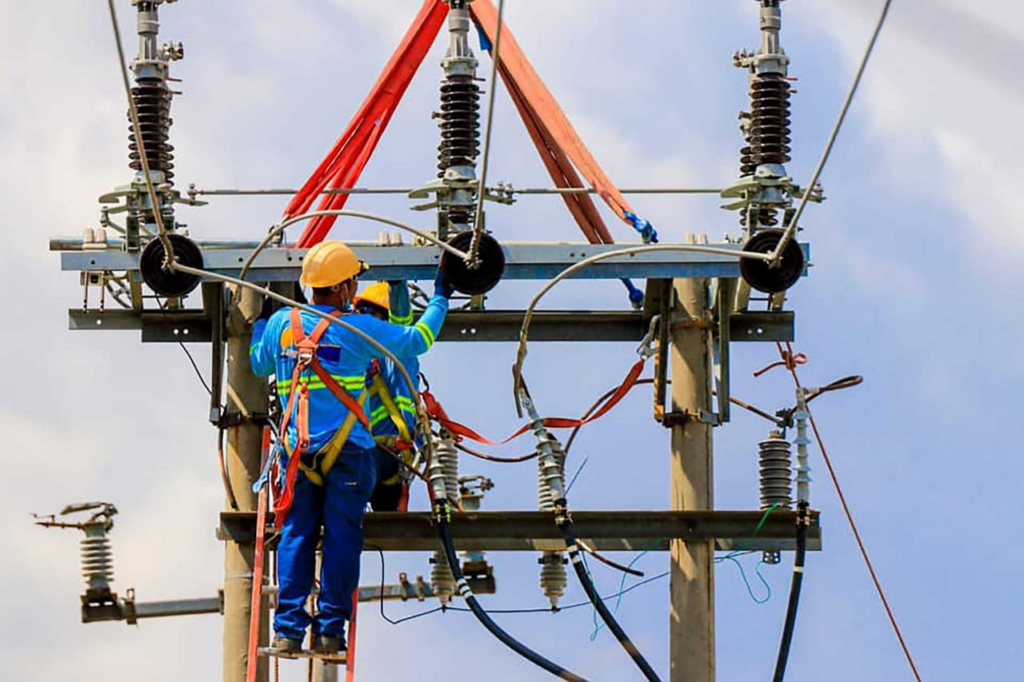
The General Directorate of Energy, Hydrocarbons, and Mines will strengthen its role as the authority to authorize interconnections, define associated charges, and conduct studies on the maximum capacity for integrating distributed generation. Likewise, distribution companies will be required to report periodic information on interconnection processes and provide technical data that allows for efficient planning of the electrical system.
These reforms also aim to reduce dependence on hydrocarbons, promoting cleaner and more economical energy sources, such as solar power, benefiting both users and the country’s sustainable development.
You can also read: