A. M.
A. M. 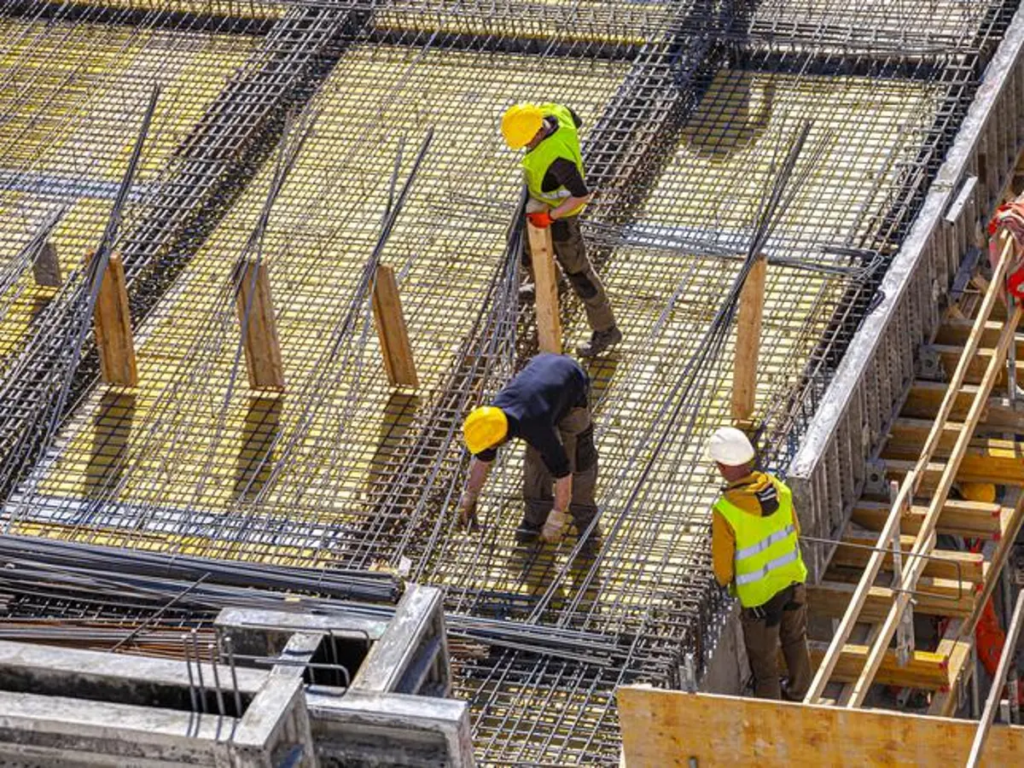
The construction sector in El Salvador registered 27% growth at the close of the third quarter of last year, driven by large-scale projects linked to tourism and private investment, as highlighted by the minister of Economy, María Luisa Hayem, in a television interview.
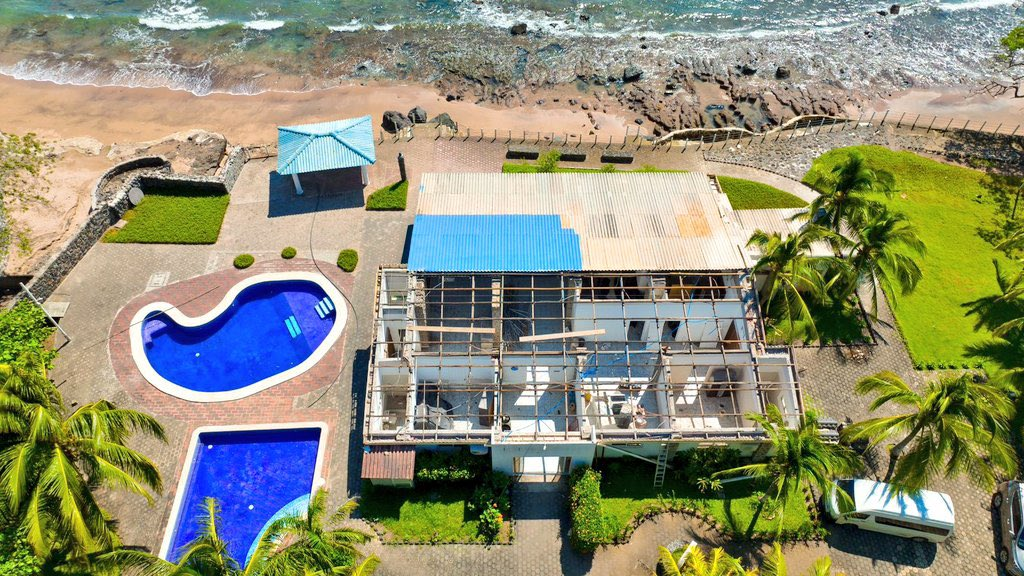
This increase reflects the dynamism experienced by the salvadoran economy, particularly in coastal areas such as Mizata, in Teotepeque, La Libertad, where the Ocean Breeze complex is progressing, an investment ranging between US$50 and US$80 million. These types of comprehensive projects, which include apartments, hotels, and commercial spaces, are directly contributing to the sector’s growth.
According to the Minister of Economy, the impact of these investments is not limited to the final operational phase, but begins from the earliest stages. “The impact is felt from the project design stage through the construction period”, she explained, noting that these initiatives generate economic activity from their planning to their execution.

The 27% growth in construction is closely linked to the boost in tourism, especially in the Surf City 1 area, which has gained prominence as an international destination. In this context, the minister of Tourism, Morena Valdez, emphasized that infrastructure development is key to meeting visitor demand, which reached 2.1 million last year in this region.
Furthermore, these investments are transforming areas previously perceived as isolated, turning them into new centers of economic and social development. Improved security conditions have been a determining factor in attracting private capital and accelerating project execution.
The sector’s growth also has direct effects on employment and the revitalization of other industries. Construction acts as a cross-cutting axis that drives areas such as commerce, services, and tourism, expanding economic opportunities in different regions of the country.
Looking ahead, authorities project that this pace of expansion will continue, supported by new investments and the interest of the salvadoran diaspora in acquiring property or retiring in the country. It is also expected that technical training programs will strengthen the local workforce to meet the growing demand in the sector.
With a projected 1.7 million visitors for the upcoming holiday season, El Salvador aims to consolidate this growth by strengthening its infrastructure and positioning itself as a competitive destination in the region, where the construction sector continues to be a major driver of economic development.
You can also read: