

 dinero_admin
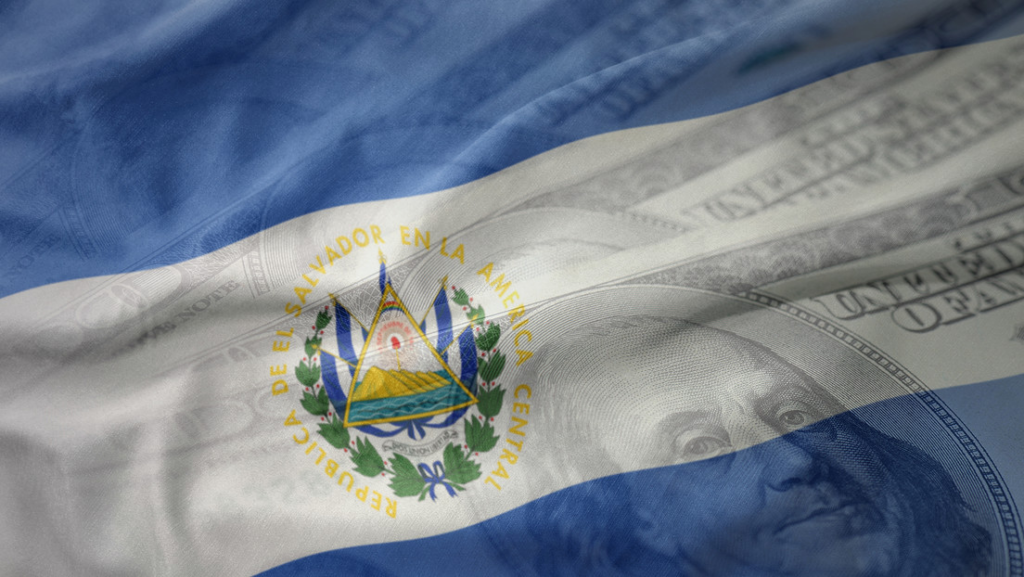
El Salvador maintains stable ratings on its long-term sovereign debt in foreign currency, according to a country risk report released by the Secretaría Ejecutiva del Consejo Monetario Centroamericano (SECMCA). The stability in the ratings assigned by the main international agencies reflects a perception of lower fiscal pressure, improved economic performance, and progress in clarifying the country’s financial trajectory.
According to the report, Standard & Poor’s confirmed the “B-” rating with a stable outlook in august 2025, while Moody’s Investors Service maintained the “B3” rating with a stable outlook, and Fitch Ratings reaffirmed its “B-” rating, also with a stable outlook. These assessments have remained unchanged throughout 2025, sending a signal of continuity and reduced uncertainty to financial markets.
SECMCA highlights that one of the positive factors behind this stability is the reduction in the government’s financing needs, resulting from better-than-expected fiscal outcomes. This performance has contributed to improving the perception of the country’s ability to meet its financial commitments and manage its public debt in a more orderly manner.
The report also highlights the performance of the real sector of the economy, with year-on-year growth of 5.0% in the third quarter of 2025, accompanied by contained inflation of 1.14% year-on-year through november. These factors strengthen the country’s macroeconomic profile and support the stability of its ratings.
Regarding debt, the SECMCA notes that the public debt balance reached US$22,651.3 million in november 2025, with a year-on-year growth rate of 4.6%, showing a more moderate trend compared to previous periods. Furthermore, the debt-to-GDP ratio shows a more stable trend, which reduces short-term fiscal risks.
The rating agencies believe that potential upgrades to the ratings could occur if structural reforms translate into stronger economic performance, greater clarity in fiscal policy, and a sustained strengthening of international reserves, as well as an increase in foreign direct investment flows.
Conversely, the report warns that the ratings could face downward pressure if the government’s ability to secure financing for its fiscal deficits weakens or if there is a significant reduction in external liquidity that affects its debt repayment capacity.
The SECMCA also emphasizes that the agreement reached by El Salvador with the International Monetary Fund (IMF) in early 2025, for US$1.4 billion, equivalent to approximately 10% of GDP, contributes to strengthening international confidence. This program is linked to commitments to fiscal consolidation, strengthening the financial system, and reducing risks, which supports the stability observed in the sovereign debt ratings.
Overall, the information presented by the SECMCA shows that El Salvador maintains a stable sovereign risk position, supported by improved fiscal results, economic growth, and backing from international organizations, key factors for access to financing and investor confidence.
You can also read: