A. M.
A. M. 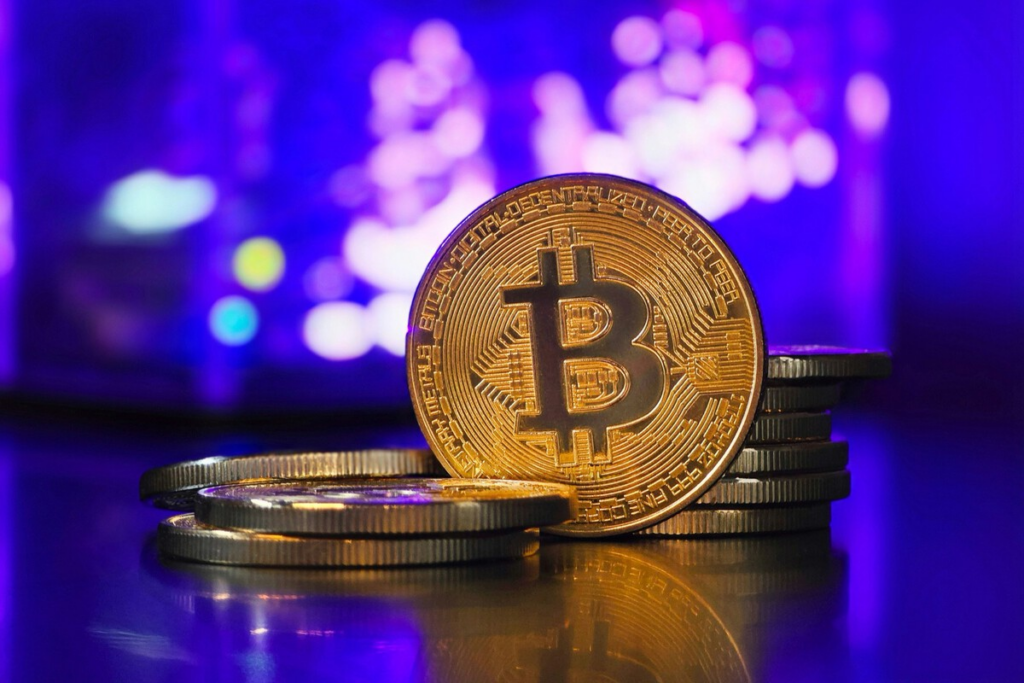
The Bitcoin reserves of the Government of El Salvador increased by 25% during 2025, going from just over 6,003 coins to 7,517 bitcoins at the end of december, according to official data from the Bitcoin Office reviewed this thursday. The increase is equivalent to 1,513.6 additional bitcoins accumulated in a single year.
This growth was recorded despite market volatility and the annual drop in the price of the crypto asset, which maintains bitcoin as a relevant component within the financial strategy of the Salvadoran Government.
Increase in volume and value of reserves
According to the history published on the official portal bitcoin.gob.sv, the value of state reserves went from 561.23 million dollars at the end of 2024 to 658.02 million dollars at the end of 2025, which represents an increase of 17% in terms of value.
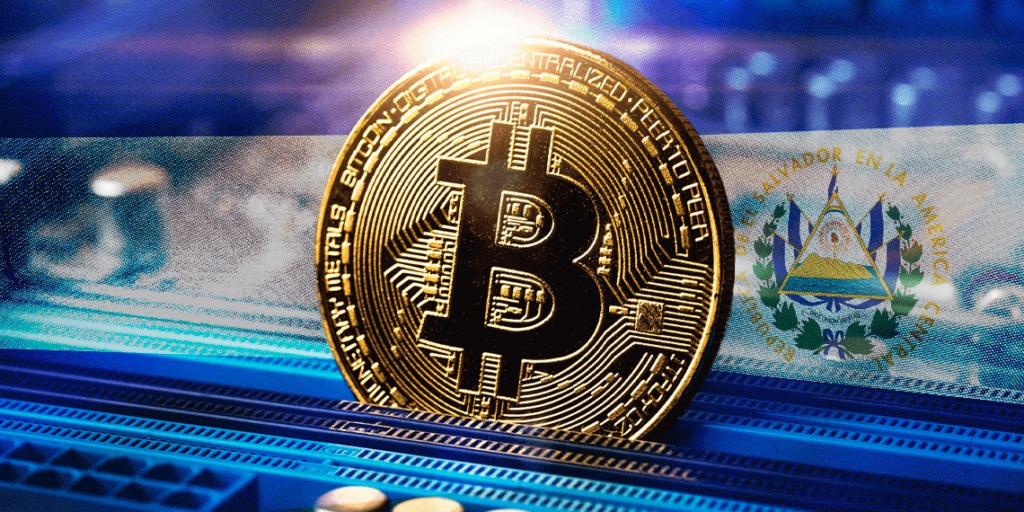
This increase occurred even though Bitcoin closed 2025 with a 6% drop, standing above $88,000, far from the all-time high of $126,251, reached on october 6 during a session of high volatility.
Context of bitcoin policy in El Salvador
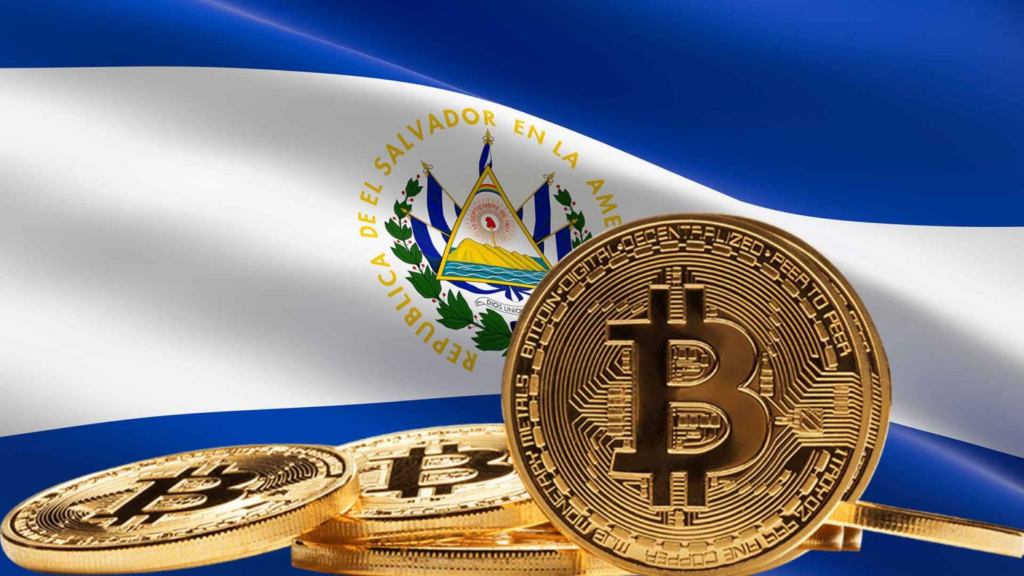
In september 2021, El Salvador became the first country in the world to adopt bitcoin as legal tender, along with the US dollar. The measure was presented as one of President Nayib Bukele’s main economic bets, with the aim of attracting investment, modernizing the financial system and promoting financial inclusion.
However, different studies indicated that more than 90% of the population rejected its daily use, while the Government promoted incentives and tax exemptions for investors linked to digital assets.
Purchases continue despite restrictions
Despite these limitations, the Government of President Bukele has continued to increase bitcoin reserves, as reflected in official records, maintaining the accumulation of the crypto asset as part of its financial strategy.
The 25% growth in reserves during 2025 confirms that, although bitcoin is no longer legal tender, it continues to occupy a relevant place in the economic policy of the salvadoran Government, amid a persistent debate about its impact, risks and long-term sustainability.
You can also read: