


 A. M.
A. M. 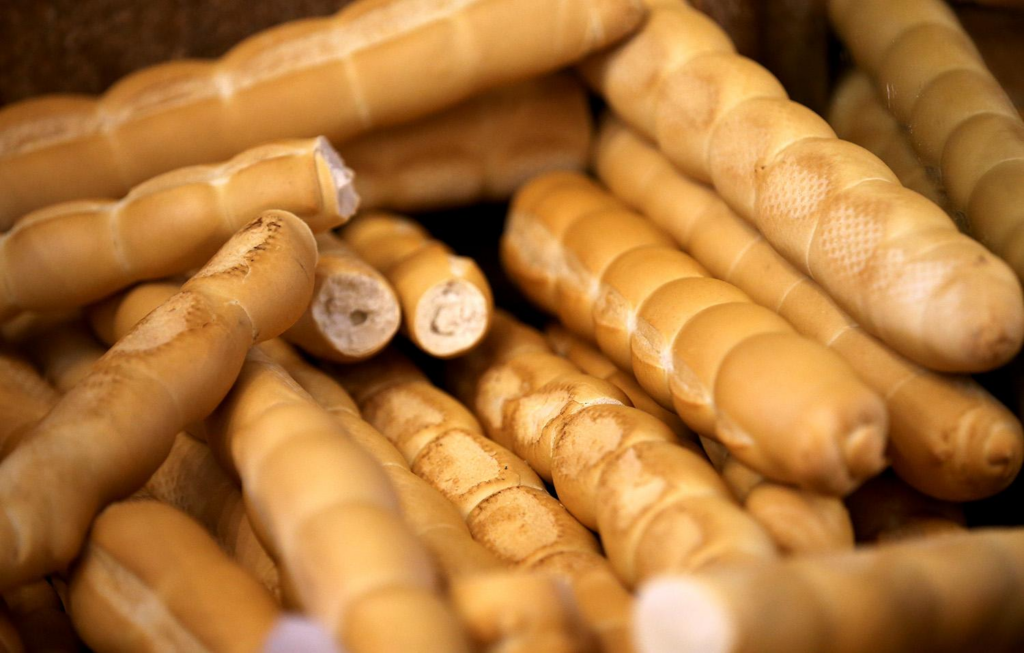
In february 2026, the price of french bread registered an increase of 3.18% in the basic urban basket compared to January, according to data from the Banco Central de Reserva (BCR). This increase makes it the product with the highest percentage increase among the foods analyzed during the period.
The increase in french bread occurs in a context where several products in the basic basket also registered increases, mainly in urban areas. Meats rose about 0.39%, while fats rose about 0.17%. Eggs reflected an increase of around 0.29%, and fluid milk stood out with an increase of approximately 3.15%, being one of the highest after french bread.
Other products also showed significant variations. Vegetables recorded an increase of close to 1.19%, while fruits rose approximately 1.99%. In the case of tortillas, the increase was around 0.24%, which shows a slighter adjustment compared to other foods, although relevant due to their daily consumption.
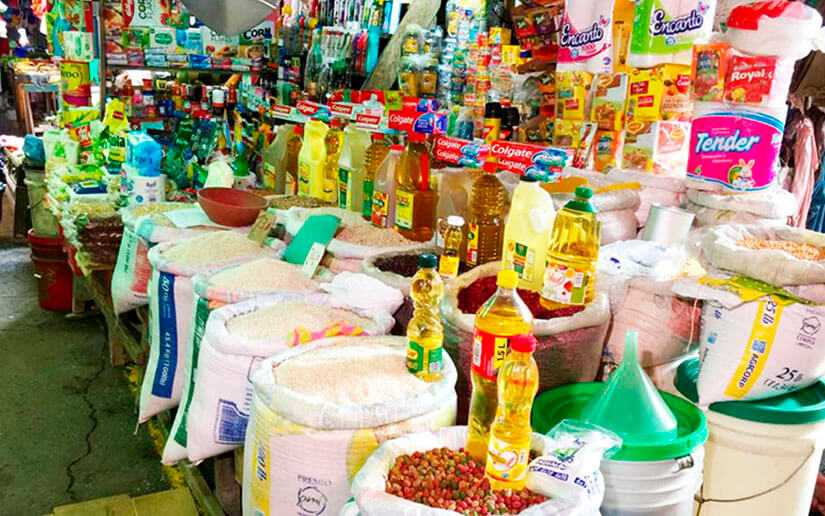
In rural areas, the increases were more moderate but maintained the same trend. Meats increased by about 0.41%, fats about 0.20%, and eggs about 0.36%. Fluid milk presented an increase of around 3.31%, positioning itself as one of the products with the greatest variation in this environment. Fruit rose close to 1.78%, while tortillas registered an approximate increase of 0.27%.
In contrast, some products showed reductions that helped partially offset the impact of the increases. Beans fell approximately -1.45% in the urban area and about -1.42% in the rural area. On the rice and sugar remained unchanged, recording no variations between january and february.
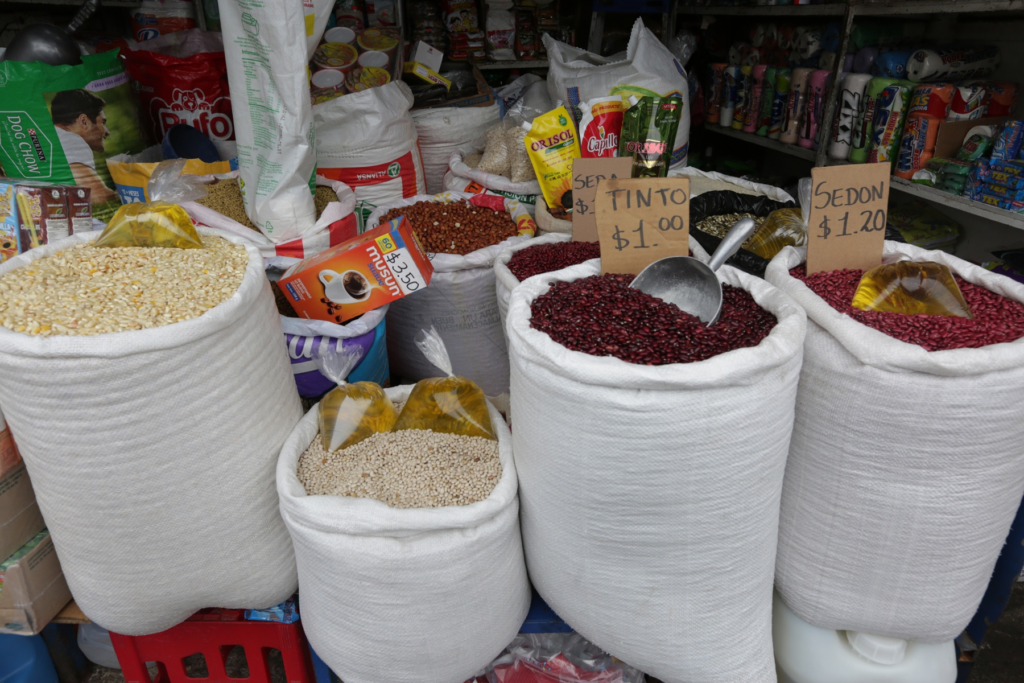
At a general level, the cost of the basic basket also reflected increases. In the urban area, daily spending per person increased 0.73%, while in the rural area the increase was 0.14%. At a monthly level, the cost per family maintained the same trend, evidencing a moderate but widespread impact on the household budget.
The performance of french bread stands out within this panorama, not only because of its increase of 3.18%, but because it surpasses the rest of the products in percentage terms. This result shows a stronger pressure on this food within the urban basket, which has a direct impact on the daily spending of salvadoran families.
You can also read: