

 A. M.
A. M. 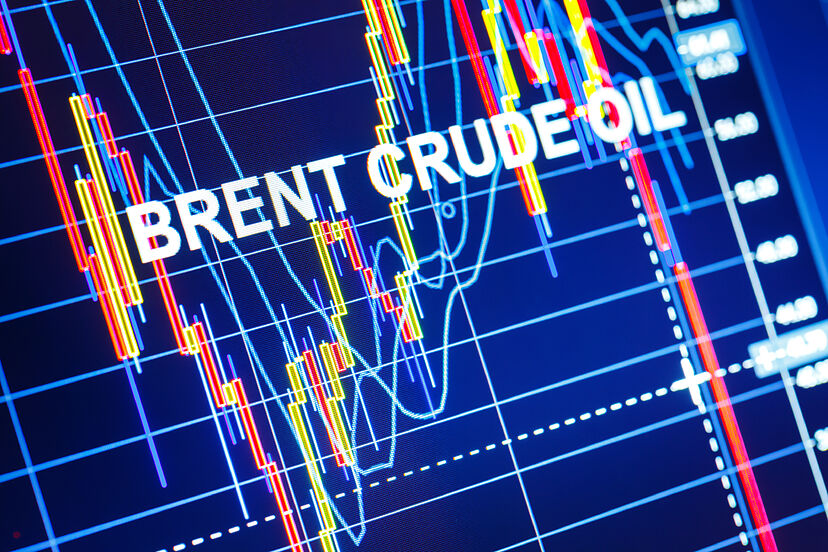
Oil prices could remain elevated for an extended period, even until the end of 2027, amid geopolitical tensions and disruptions to global energy supply, according to CNN.
CNN reported that, according to investment bank Goldman Sachs, in high-risk scenarios marked by prolonged disruptions and significant supply losses, the price of crude oil could remain above $100 per barrel for several years. This projection comes against a backdrop of growing uncertainty in the Middle East, a key region for global energy production.
On friday, oil prices registered another increase. Brent crude, the international benchmark, rose 1.4% to $110.2 per barrel, while WTI, the US benchmark, advanced 0.3%, reaching $95.9. This behavior is largely due to damage to energy infrastructure and the near-total closure of the Strait of Hormuz, a strategic waterway through which approximately 20% of the world’s oil supply passes.
Goldman Sachs analysts warn that the persistence of similar crises in the past demonstrates that prices can remain elevated for longer than expected when supply disruptions are significant and sustained. In this regard, the possibility of Brent crude surpassing its all-time high of $147 per barrel, recorded in 2008, is even being considered if current conditions worsen.

The escalating tensions in the region have been a determining factor in this behavior. The conflict between Israel and Iran has directly impacted key facilities, such as the South Pars oil field in Iran and the Ras Laffan liquefied natural gas plant in Qatar, considered the largest in the world. These events have increased concerns about the stability of the global energy supply.
In the political arena, Israeli Prime Minister Benjamin Netanyahu affirmed that his country would heed US President Donald Trump’s call to refrain from further attacks on Iranian energy infrastructure. However, the conflict continues with no clear signs of de-escalation after several weeks of clashes.
Trump attempted to send a message of calm in the face of soaring gasoline prices in the United States, which have reached levels not seen in over two years. The president stated that the situation could be resolved soon, although he acknowledged that the current scenario is complex.
The closure of the Strait of Hormuz for nearly three weeks has been one of the most critical factors. Iranian authorities have indicated that this waterway will not return to its pre-conflict conditions, increasing the risk of a prolonged supply crisis. This situation has been described as one of the biggest disruptions in the recent history of the oil market.
Given this outlook, Goldman Sachs presents several scenarios. In the most adverse one, Brent crude prices could hover around $111 per barrel by the end of 2027 if restrictions on oil flow persist and production remains limited. In contrast, a more favorable scenario envisions a gradual recovery in supply, which would allow for a reduction in prices by 2026. However, recent attacks on energy infrastructure have once again raised long-term risks.

Additionally, the disruption to Qatar’s liquefied natural gas export capacity following the attacks on Ras Laffan could have repercussions in key markets such as Europe and Asia, prolonging pressure on energy prices.
In response to this crisis, the United States and its allies have evaluated various measures, such as the release of strategic petroleum reserves and possible adjustments to energy sanctions. International efforts to reopen the Strait of Hormuz have also begun, although the military involvement of other countries remains uncertain while hostilities continue.
In this context, the combination of geopolitical factors, supply disruptions, and damage to key infrastructure points to a scenario in which oil prices could remain elevated for an extended period, with direct impacts on the global economy and energy costs for consumers.
You can also read: