

 dinero_admin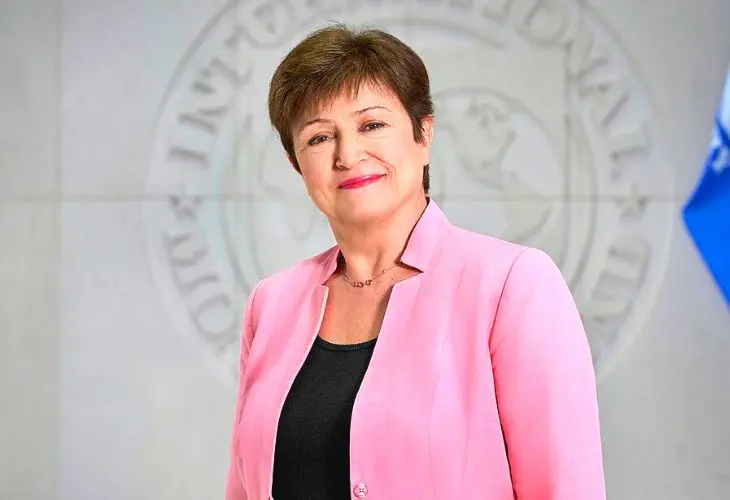
The global economy is facing a new period of tension that is testing its resilience, amidst an environment marked by geopolitical conflicts and growing risks. In this context, the International Monetary Fund (IMF) called for global cooperation to avert a larger-scale economic crisis.
During the opening of the organization’s Spring Meetings, managing director Kristalina Georgieva warned that the impact of the war in the Middle East represents a new shock to the global economy, affecting both the region and the rest of the world. While highlighting the global economy’s proven resilience, she noted that this strength is being tested once again at a crucial moment.
Georgieva said that the main challenge for countries will be to manage this new scenario effectively, understanding the magnitude of the impact, the transmission channels (such as rising energy prices), and the policies needed to mitigate its effects. In this regard, she emphasized the importance of coordinated international action.
One of the IMF’s strongest messages was its rejection of unilateral measures that could worsen the global situation. The organization’s director warned of the risks of implementing export controls, price restrictions, or other isolated decisions that could distort markets and increase uncertainty. Instead, she urged countries to maintain cooperation and avoid actions that would deepen economic tensions.
Looking ahead to the coming months, the IMF will release its World Economic Outlook report, which considers various scenarios, from a relatively rapid recovery to a prolonged period of high energy prices. However, the organization anticipates that, regardlessof the scenario, negative effects are already being felt by economies.
Regarding economic policy, the IMF recommended caution. It noted that central banks must maintain their commitment to price stability, acting prudently and carefully assessing the appropriate time to intervene. At the same time, it suggested that fiscal policies focus on providing targeted and temporary support to the most vulnerable sectors, without compromising the sustainability of public finances.

The organization also warned of a structural problem: the increase in public debt globally. According to the IMF, current levels are higher than two decades ago, even in G20 economies, which limits countries’ ability to respond to new crises.
Finally, Georgieva emphasized that while countries cannot control external factors such as conflicts or economic shocks, they do have the capacity to strengthen their policies and institutions. She said that sound economic fundamentals are the best defense against adverse scenarios.
With this call, the IMF reaffirms the need for a coordinated and responsible response to address current challenges, emphasizing that international cooperation will be key to reducing risks, stabilizing the global economy, and preventing a larger crisis.
You can also read: