

 A. M.
A. M. 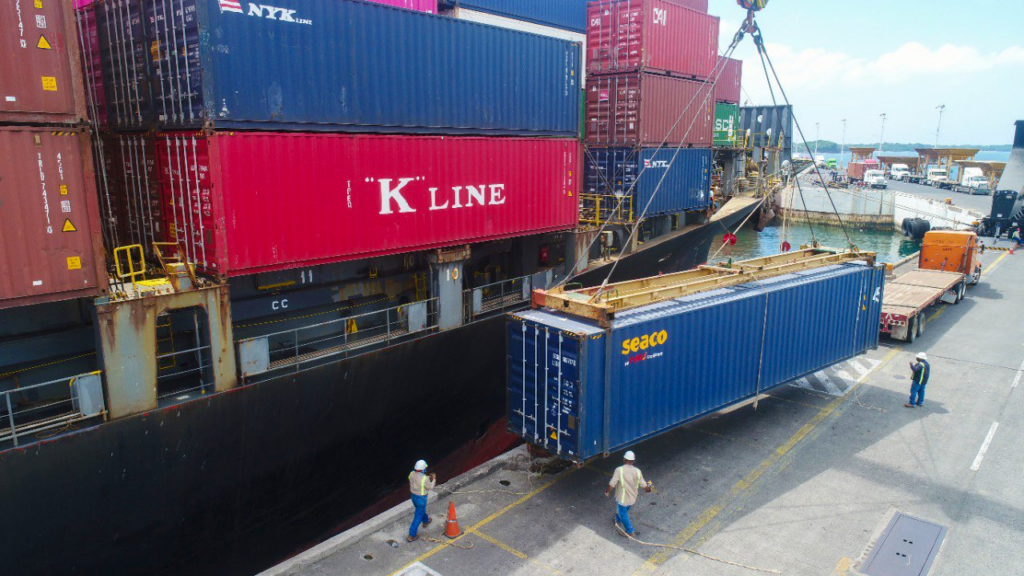
Merchandise imports in El Salvador decreased by 13.9% in january 2026 compared to december 2025, falling from US$1,576.66 million to US$1,358.63 million, according to preliminary data from the Banco Central de Reserva de El Salvador (BCR). This reduction represents a decrease of US$218.03 million in one month.
Impact on the trade balance
The drop in imports contributed to an improved trade balance for goods. The deficit narrowed from US$1,110.89 million in december to US$799.23 million in january, a reduction of more than US$311 million.
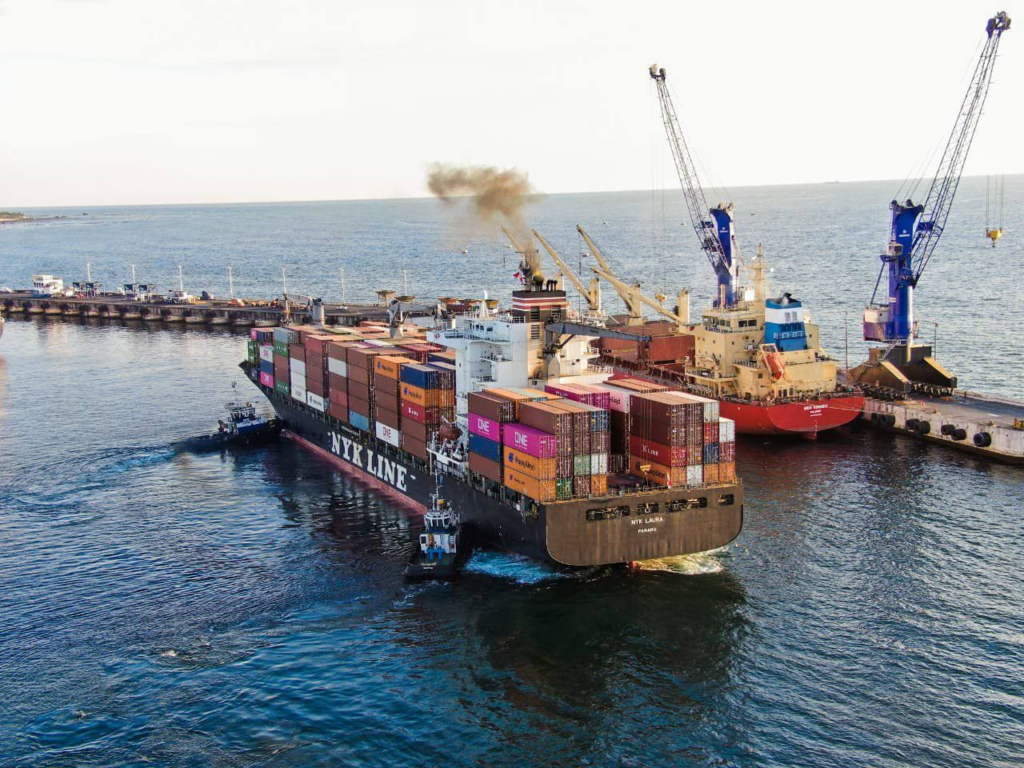
This result occurred in a context where exports remained at US$559.4 million, allowing the lower purchases of goods from abroad to reduce the trade deficit.
Sectors that influenced the decline
According to the BCR classification based on the International Standard Industrial Classification of All Economic Activities CIIU Rev. 4,, the manufacturing sector accounted for the largest share of imports, representing 92.8% of the total in january, with US$1,260.89 million. However, this sector also registered a decline compared to december, when it totaled US$1,417.13 million, equivalent to an 11% decrease.
In contrast, the maquila manufacturing industry showed growth, rising from US$28.52 million in december to US$32.57 million in january, an increase of 14.2%. Within this segment, subsectors such as knitwear (US$9.24 million) and other products (US$16.68 million) stood out.
One of the most significant declines was observed in the Agriculture sector, which fell from US$118.67 million in december to US$40.66 million in january, representing a 65.7% reduction. Sectors such as mining and quarrying (US$18.65 million) and Trade (US$4.65 million) also participated, although with a smaller impact on the total.
Possible causes of the behavior
The decrease in agricultural imports could be associated with lower seasonal demand following the end-of-year holidays or with fluctuations in international prices.
The increase in maquila (assembly plant) activity suggests a greater need for inputs for the production of textiles and apparel destined for export, reflecting dynamism in that industrial sector.
Benefits for the salvadoran economy
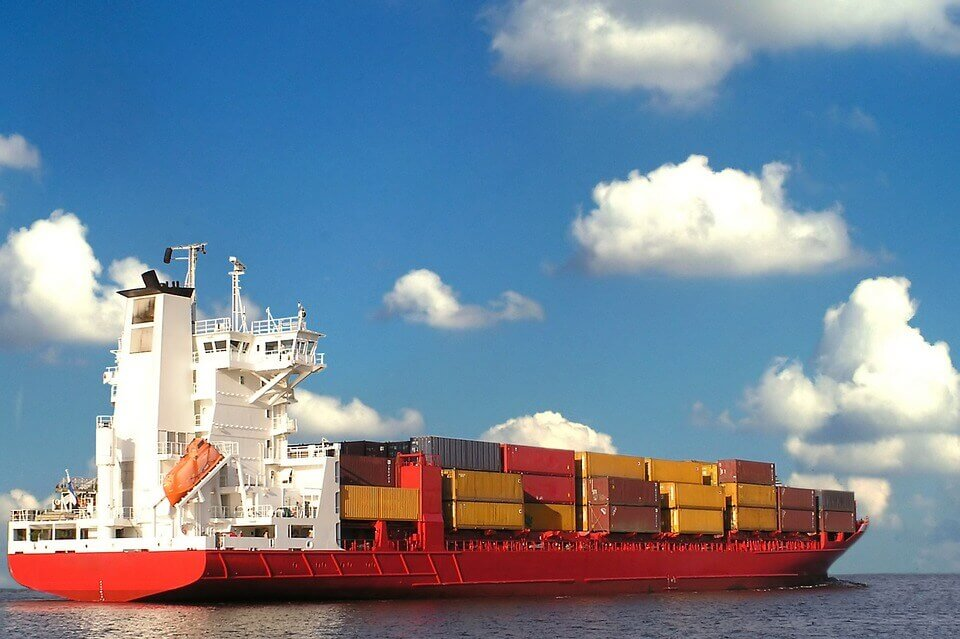
The reduction in imports has positive effects in the short term. It decreases pressure on international reserves and helps reduce the trade deficit.
Furthermore, by lowering the costs of certain manufacturing inputs, it can boost the competitiveness of export sectors. In macroeconomic terms, the smaller deficit strengthens the country’s external stability and improves the balance of payments.
In short, preliminary data from the BCR show that january 2026 began with a 13.9% drop in imports compared to december, driven mainly by reductions in manufactured goods and agriculture, which led to a significant improvement in the country’s trade balance.
You can also read: