

 A. M.
A. M. 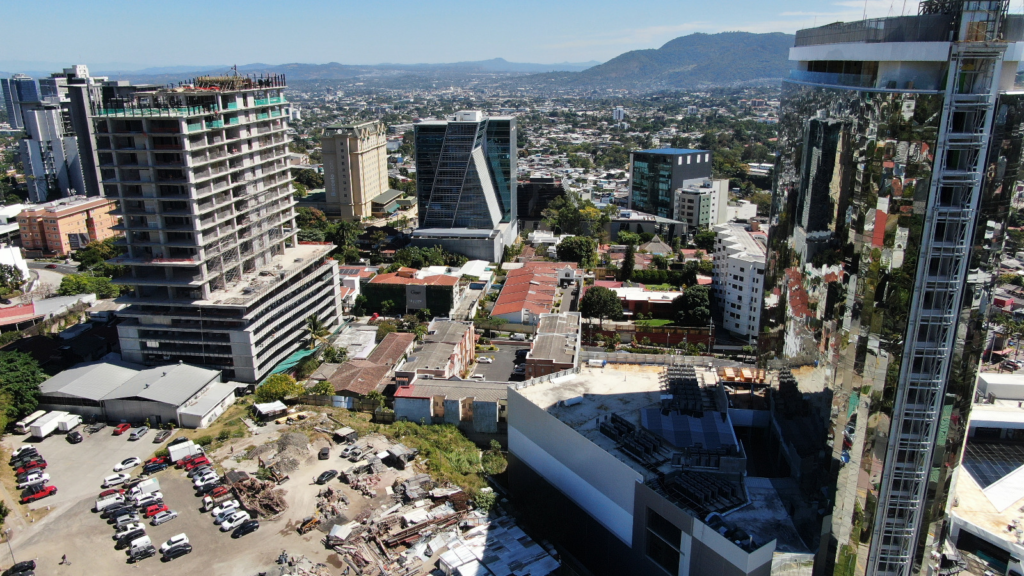
The economic dynamism in the San Salvador Metropolitan Area is consolidating its position as one of the country’s main drivers, concentrating 45% of the Gross Domestic Product (GDP) and approximately 70% of private investment, according to Luis Rodríguez, Executive Director of COAMSS/OPAMSS.
According to Rodríguez, this performance is due to a strong concentration of economic activity in key areas such as West San Salvador, East San Salvador, South San Salvador, Central San Salvador, as well as South La Libertad, East La Libertad, and Coastal La Libertad. These areas have become strategic hubs for productive development, investment, and job creation.
Rodríguez emphasized that GDP growth in these areas is closely linked to the boom in the construction sector, which has experienced sustained expansion in recent years. As explained, the country has gone from registering increases of around 9% to reaching an average growth of 30% compared to previous years, demonstrating a significant acceleration in economic activity.

This momentum is reflected in an investment portfolio exceeding US$5.4 billion, of which approximately US$3 billion is already underway, directly contributing to the strengthening of GDP and the revitalization of multiple productive sectors.
The construction sector has also been identified as a cross-cutting axis of the economy, due to its capacity to impact other industries such as commerce, logistics, tourism, and services. This multiplier effect allows growth not to be limited to a single sector, but rather to expand throughout different production chains.
Another relevant factor in the increase in GDP is the change in investment trends, driven in part by the salvadoran diaspora. According to José Antonio Velásquez, president of CASALCO, a growing number of salvadorans living abroad are showing interest in investing in the country, especially in real estate, which strengthens the flow of capital to the construction sector.
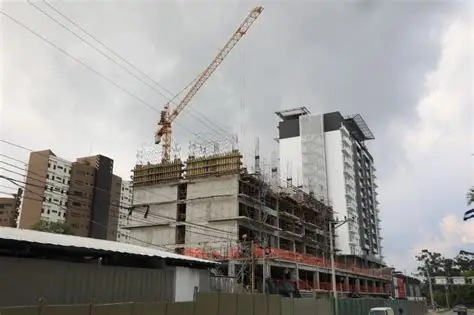
Likewise, economic growth has been accompanied by an increase in employment. Currently, the construction sector generates around 175,000 jobs, solidifying its position as one of the main sources of employment in the country. This is further supported by increased participation of women, which has risen from 4% to 10%, reflecting a progressive transformation in the sector’s workforce composition.
Regarding development trends, Rodríguez noted that mixed-use projects—which combine residential, commercial, and service spaces—are gaining prominence and are expected to continue expanding rapidly. These types of initiatives, along with growth in logistics and industrial areas, contribute to diversifying the economy and strengthening the GDP base.
Finally, the official emphasized that factors such as improved security and increased public investment have been key in attracting private capital and sustaining economic growth. Together, these elements create a favorable environment that boosts productive activity and consolidates the metropolitan region as El Salvador’s main economic hub.
You can also read: