A. M.
A. M. 
The medium-term outlook for gold remains favorable, with projections pointing to new all-time highs in the coming years, driven by strong demand and an uncertain global financial environment.
J.P. Morgan estimates that the precious metal could reach US$6,300 per ounce by the end of 2026, supported primarily by sustained purchases by central banks and the diversification of international reserves in the face of geopolitical and monetary risks.
Similarly, other financial institutions also maintain bullish forecasts. Goldman Sachs projects that gold could close the year at around US$5,400 per ounce, while Deutsche Bank places its estimate at US$6,000 in the medium term.
Structural demand strengthens the market
One of the main factors supporting these projections is the constant purchase of gold by central banks. In 2025, global acquisitions reached 863 tons, consolidating several consecutive years of strong stockpiling.
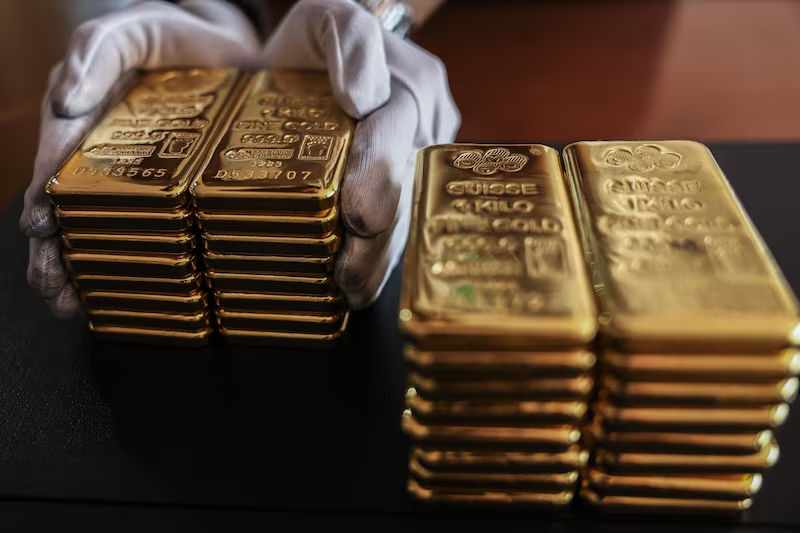
China, for example, recently extended its streak of monthly purchases, reinforcing its diversification strategy against the US dollar. This trend reflects a structural shift in international reserve management, where gold is gaining prominence as a safe-haven asset.
ETFs and increased investor interest
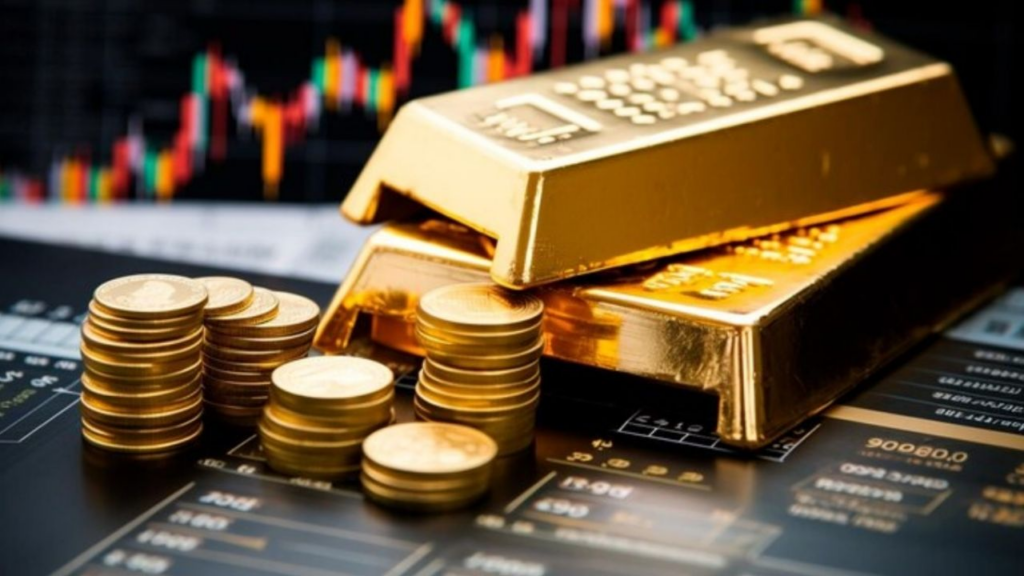
In addition to official demand, there is growing interest from institutional and retail investors. Gold-backed exchange-traded funds (ETFs) registered record inflows of US$89 billion in 2025, amid economic volatility and adjustments in monetary policies.
The SPDR Gold Shares, the world’s largest ETF linked to the metal, currently has over US$160 billion in assets, demonstrating the importance of gold within hedging and diversification strategies.
A safe haven in times of uncertainty
The bullish projections are also supported by macroeconomic factors such as the weak dollar, moderate bond yields, and the expectation that central banks will maintain prudent monetary policies given the mixed signals in global growth.
In this scenario, gold continues to solidify its position as a key asset for preserving value, and estimates from major investment banks reinforce the view that the bull market could still have room to grow in the coming years.
You can also read: