


 A. M.
A. M. 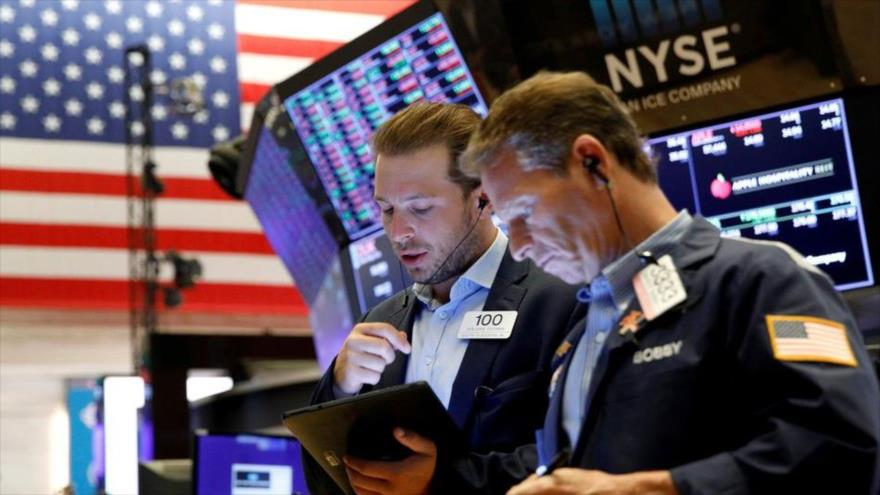
International financial markets began the week with a positive interpretation of the latest US economic data, which points to a moderation in consumption and strengthens expectations of interest rate cuts by 2026. The information was published by Bloomberg Online, which highlighted how investors interpreted these signals as a favorable scenario for growth and financial stability.
One of the key elements was the performance of retail sales, which showed a slowdown. Although at first glance this could be interpreted as economic weakness, the market took it as a sign of less inflationary pressure, which opens room for the Federal Reserve to reduce the cost of money more than previously anticipated. Up to three rate cuts are now expected next year, compared to the two projected just days ago.
Lower rates, greater economic boost
The possibility of lower interest rates usually translates into more accessible credit for businesses and consumers. This facilitates productive investment, stimulates the purchase of goods and services, and improves the environment for economic growth. In this context, the main Wall Street stock market indices registered moderate gains and remained near historical levels, reflecting confidence in the strength of the financial system.
The performance of Treasury bonds was also interpreted as a sign of stability. Demand for these instruments increased, which reduced their yields and showed that investors continue to find support in assets considered safe.
Positive Impact for Emerging Economies
Another favorable aspect is the potential effect on emerging markets. A scenario of lower interest rates in the United States tends to ease pressure on the dollar and facilitates the flow of capital to other regions. According to Bloomberg Line, emerging market stock exchanges showed gains, driven in part by the dynamism of the Asian technology sector.
For Latin America, this outlook could mean better external financing conditions and a greater appetite for investment, especially in sectors linked to technology, infrastructure, and services.
Confidence in the technology sector
The liquidity environment was also evident in the corporate debt market. Large companies continue to access financing with high demand from investors, confirming the availability of capital and confidence in expansion projects, particularly in areas such as artificial intelligence and digitalization.
An adjustment without signs of crisis
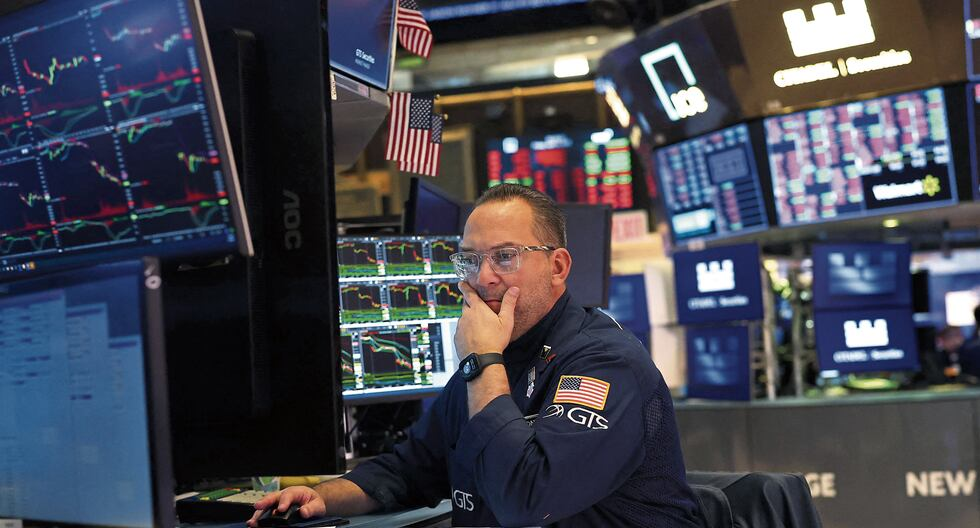
Although consumption showed a pause, analysts agree that this is not a collapse, but rather an adjustment within the economic cycle. The expectation of job stability and the absence of signs of financial stress reinforce the perception that the US economy is experiencing an orderly slowdown, not an abrupt recession.
Overall, recent data has been interpreted by markets as an opportunity: less inflationary pressure, the possibility of lower interest rates, and an environment that could favor both investors and economies linked to the performance of the United States.
You can also read: