


 dinero_admin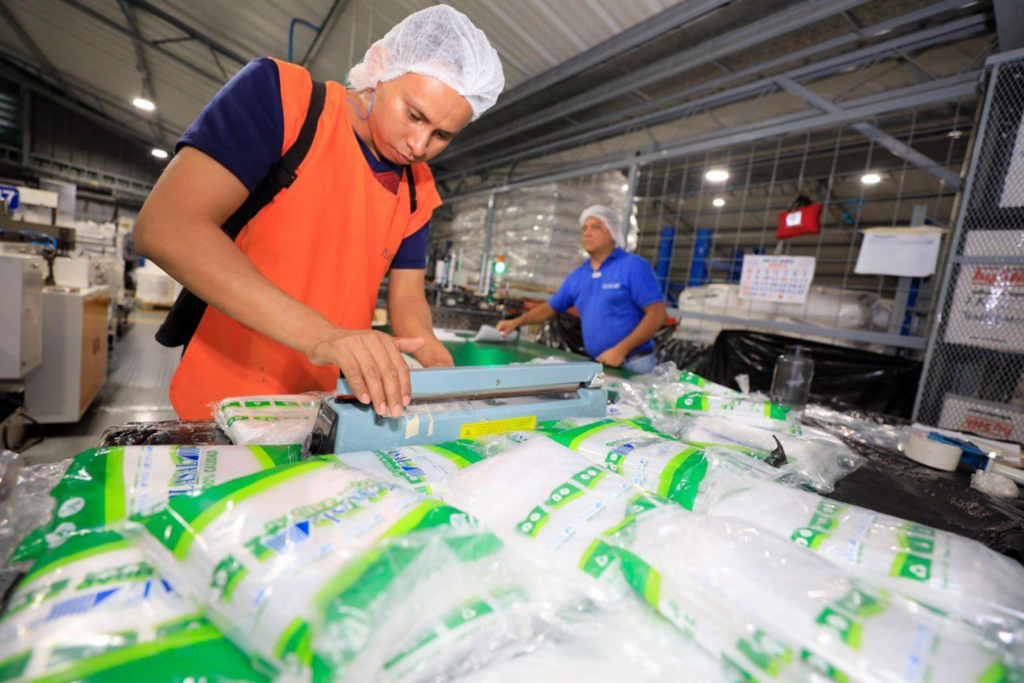
The price of plastic has registered a sharp increase, rising from US$1,000 to US$1,700 per ton, directly impacting the Salvadoran industry, warned Ricardo Morán, president of the Asociación de la Industria del Plástico (ASIPLASTIC).
The industry representative explained that this increase is closely related to the volatility in oil prices, the main raw material for plastic production. Both oil and natural gas are fundamental inputs in petrochemical processes, so any disruption in these markets immediately affects the sector’s costs.
Morán pointed out that the current situation is marked by international uncertainty due to disruptions in energy supply and the paralysis of activities in the petrochemical industry. Among the factors contributing to this crisis is the congestion of oil tankers in the Strait of Hormuz, a key route for global energy trade, which has limited the flow of raw materials.
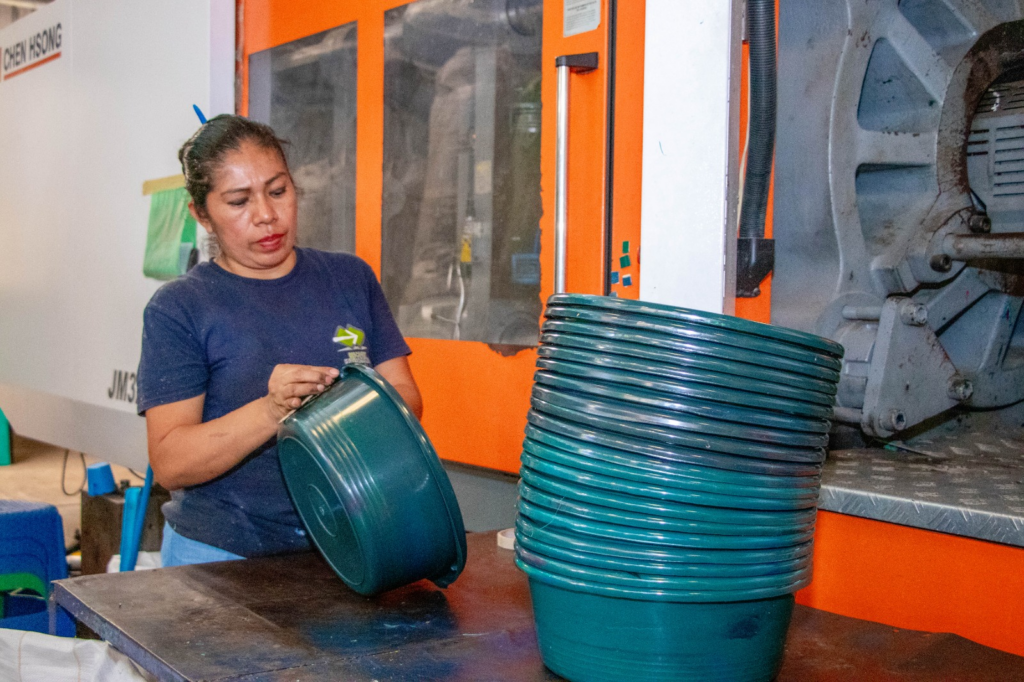
This is compounded by reduced oil production in several markets, where some wells have been shut down due to inventory buildup and logistical difficulties. The official explained that restarting these processes is not immediate, as it could take several months to restore production and normalize supply.
The impact on the plastics industry is direct. Companies operate with inventories that, on average, cover one to two months, which exacerbates the situation given shipping delays. Currently, many international suppliers are not meeting established deadlines, invoking force majeure clauses that allow them to postpone or modify deliveries without penalty.
Furthermore, logistics costs have also increased. Shipping companies have begun applying risk surcharges, known as “war taxes”, ranging from US$2,000 to US$3,000 per container, further increasing the cost of importing raw materials.

Morán warned that even if the international situation stabilizes in the short term, the industry will need three to four months to recover normal shipments and the supply of inputs.
The increase in the price of plastic not only affects manufacturers but could also be passed on to end consumers, since this material is used in a wide range of everyday products, from packaging to industrial items.
Given this situation, the sector remains alert, awaiting a stabilization in energy markets that would reduce pressure on costs and ensure the continuity of its operations.
You can also read: