

 A. M.
A. M. 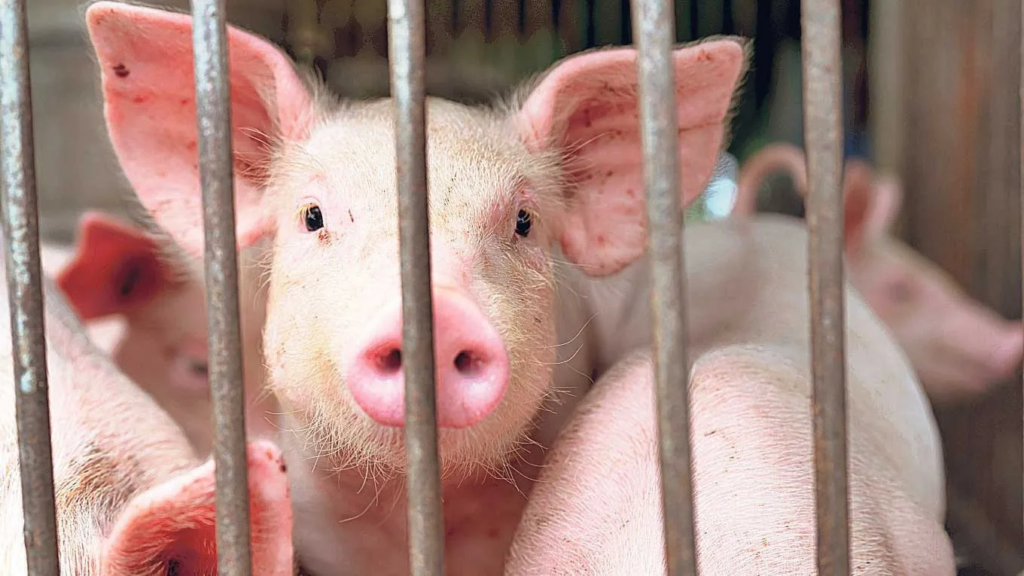
Pork production in El Salvador is primarily focused on generating meat for domestic consumption, according to preliminary results from the Fifth Agricultural Census 2025, presented by the Banco Central de Reserva (BCR). The data reveals that the country has a national inventory of 143,528 pigs, and that 60.5% of producers are mainly engaged in fattening, that is, the production of animals destined directly for human consumption.
According to the BCR, this production focus reflects the role that pork farming plays in food security, by supplying the local market with high-demand animal protein. Pork farming is mostly carried out on a small and medium scale, making it a significant source of income for numerous households linked to the agricultural sector.
The census results show that production is primarily geared towards domestic consumption rather than export, which explains the strong presence of local marketing channels. In many cases, producers sell their animals to retailers and wholesalers, although direct sales also maintain a significant share, especially in rural areas.
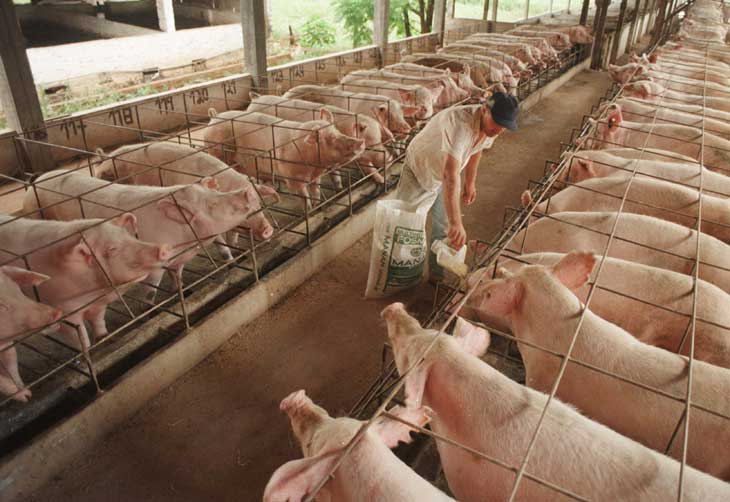
The BCR highlights that the focus on fattening allows producers to respond more quickly to market demand, as it is a relatively short production cycle compared to other livestock activities. However, this approach also presents challenges, such as access to inputs, fluctuating feed prices, and the need to strengthen sanitary practices.
The information generated by the Fifth Agricultural Census 2025 represents a key update, given that the country previously lacked comprehensive recent data on the swine sector. These results allow for a more precise assessment of the economic and social importance of the activity, as well as the identification of opportunities to improve productivity and competitiveness.
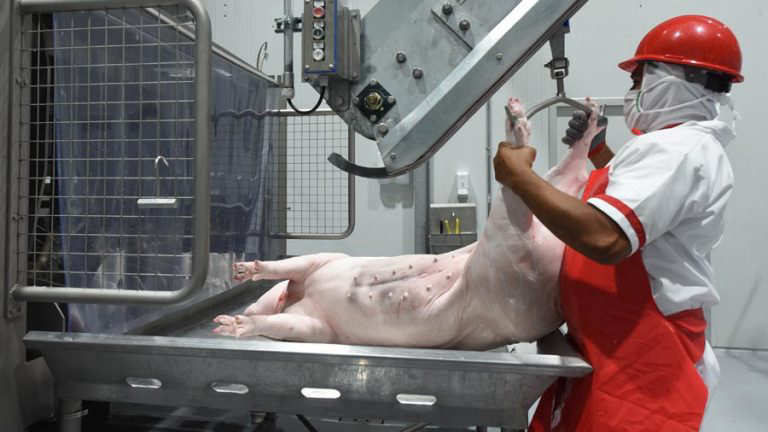
According to the BCR, the census data will serve as a strategic tool for formulating public policies, designing technical and financial support programs, and strengthening local markets. In the case of pig farming, the focus will be on improving production conditions, ensuring food safety, and guaranteeing a stable supply for domestic consumption.
With this updated overview, the pig farming sector is consolidated as a key component of salvadoran food security, reaffirming its role within the national agri-food system and its contribution to the country’s rural economy.
You can also read: