

 A. M.
A. M. 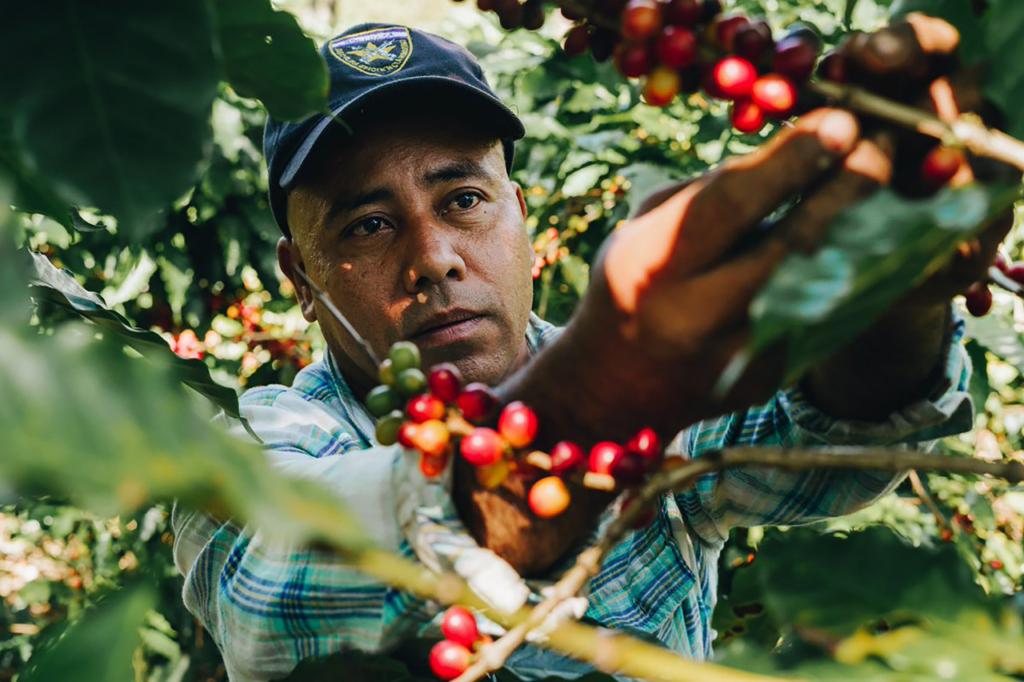
El Salvador’s coffee exports grew by 21% between january and november 2025, consolidating their position as one of the country’s best-performing foreign trade products. During that period, coffee sales reached US$163.2 million, exceeding the revenue obtained in the same period in 2024 by US$28.1 million, when US$135.1 million was reported, according to data from the Banco Central de Reserva (BCR).
According to the BCR report, the main destinations for salvadoran coffee continue to be the United States and Belgium, markets that accounted for a significant portion of exports. The United States purchased US$74.6 million worth of coffee, while Belgium imported US$20.3 million, confirming their importance as strategic buyers of the national bean.
In terms of volume, cumulative exports through november 2025 amounted to 543,400 quintals, sold at an average price of US$297.1 per quintal. This price level has contributed decisively to the increase in total export value, allowing growth to depend not only on higher volumes but also on better prices on the international market.
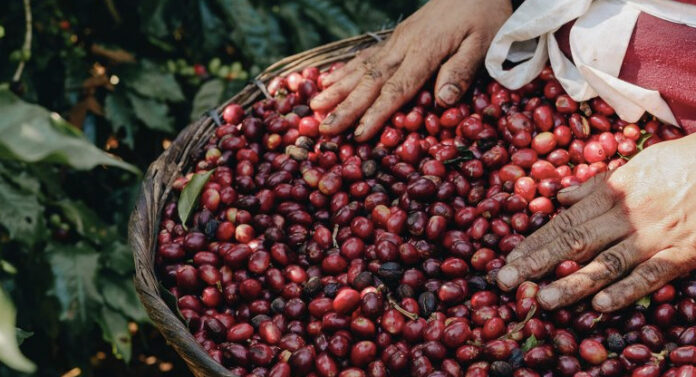
Other markets that showed significant demand were Germany and Canada, with purchases valued at US$8.2 million each, which demonstrates the diversification of destinations and the acceptance of salvadoran coffee in demanding markets, where the quality and origin of the product are valued.
A highlight of the report is the performance of exports to Central America, which recorded a significant increase. Regional sales rose from US$7 million between january and november 2024 to US$17.1 million in the same period in 2025, reflecting a greater presence of salvadoran coffee in neighboring markets and a strengthening of intraregional trade.
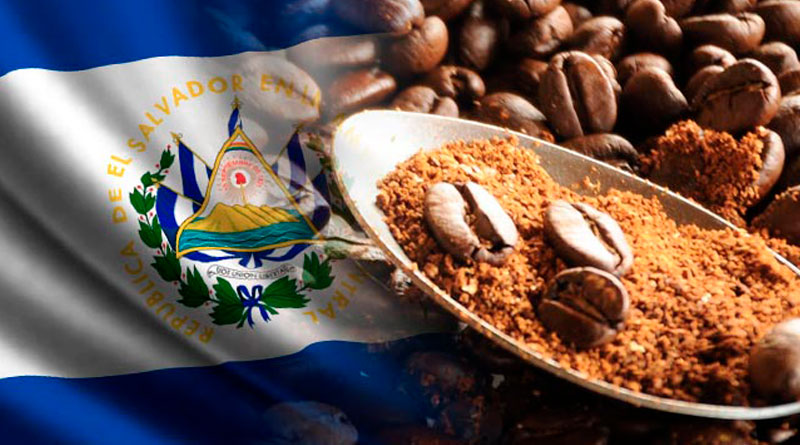
This percentage increase reflects greater international demand for salvadoran coffee and better use of foreign markets. The growth not only translates into more income for the country, but also into better opportunities for producers, exporters, and the entire coffee chain, which depends heavily on the performance of foreign sales.
This 21% growth in exports confirms that coffee continues to be a key product for the salvadoran economy. The sector’s strong performance contributes to foreign exchange earnings, sustains rural employment, and positions the country as a competitive coffee supplier in international markets, reinforcing the strategic importance of coffee farming for national economic development.
You can also read: