


 A. M.
A. M. 
Choosing where to do your grocery shopping is an everyday decision that directly affects families’ monthly budgets. Traditional markets and supermarkets offer different advantages, and understanding them allows you to shop more wisely, according to each household’s needs and budget.
Prices and daily savings
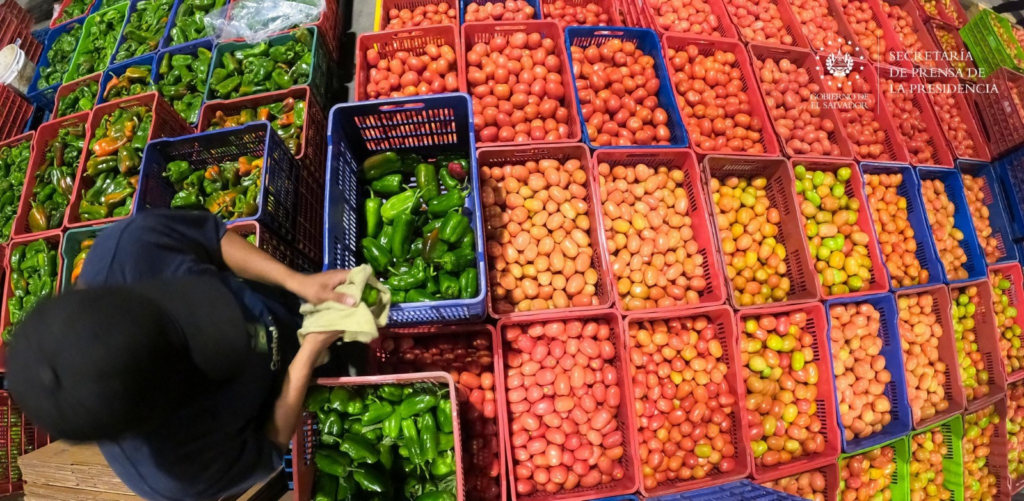
At municipal markets and local plazas, prices are usually lower, especially for fruits, vegetables, staple grains, and fresh meats. This is because many vendors buy directly from local producers or intermediaries, reducing transportation and storage costs. For large families or people who shop daily, this difference can represent significant monthly savings.
At supermarkets, prices are usually higher for fresh produce, although they offer frequent promotions, volume discounts, and loyalty programs that can be attractive to those who plan their shopping in advance.
Quality and freshness of products
One of the biggest draws of markets is the freshness of the produce. Many products arrive the same day from nearby agricultural areas, allowing shoppers to buy seasonal foods and, in many cases, negotiate the price or quantity. Furthermore, direct contact with the vendor makes it easy to choose products according to taste and need.
Supermarkets, on the other hand, guarantee hygiene, refrigeration, and packaging standards, providing greater safety and convenience, especially for meats, dairy products, and processed foods.
Variety and Convenience
Supermarkets concentrate a wide variety of products in one place: food, cleaning supplies, personal hygiene items, and imported goods. This saves time and reduces travel, a significant advantage for those with long workdays.
In markets, although the variety may be smaller, it’s common to find local, traditional products at affordable prices, which also helps preserve the community economy.
Impact on the local economy
Buying at markets directly benefits small vendors and local producers, strengthening the local economy and informal employment. Supermarkets are usually part of large chains that generate formal employment but concentrate a larger share of the profits.

Which is better?
The answer depends on each family’s lifestyle, budget, and priorities. Many experts recommend a mixed strategy: buying fresh produce at markets and supplementing specific purchases at supermarkets, taking advantage of promotions and offers.
Ultimately, beyond the location, the key is to compare prices, buy only what you need, and plan your shopping trips to avoid unnecessary expenses. Small decisions made with information, can make a big difference to your household budget.
You can also read: