

 A. M.
A. M. 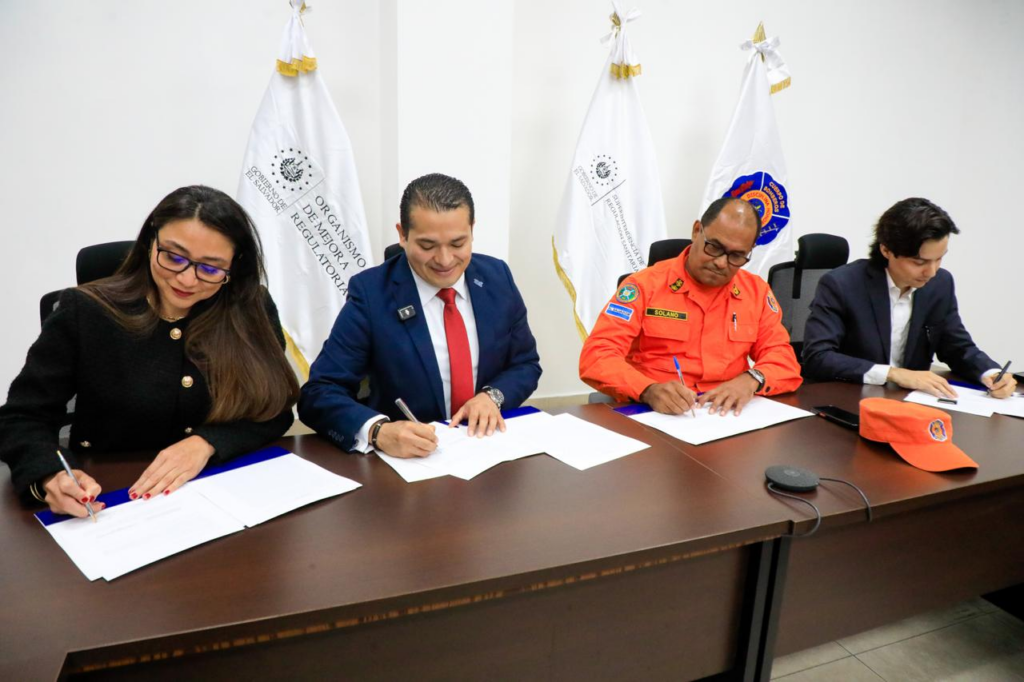
To modernize regulations and improve the business environment, the Superintendencia de Regulación Sanitaria and the Cuerpo de Bomberos de El Salvador signed a letter of understanding aimed at coordinating inspections, reducing administrative duplication, and strengthening safety standards in regulated establishments.
The agreement establishes a framework for technical and operational cooperation that will allow both institutions to share information, unify criteria, and conduct joint inspections, especially in key sectors such as food, health, and manufacturing. This is intended to reduce operating costs for companies, streamline regulatory processes, and improve institutional efficiency.
Economic impact and improved investment climate
From an economic perspective, the initiative aligns with the government’s strategy to boost the competitiveness of the productive sector by simplifying procedures. Reducing duplicate inspections and conflicting rulings will allow companies to save time and resources, resulting in lower regulatory costs and greater certainty for local and foreign investors.
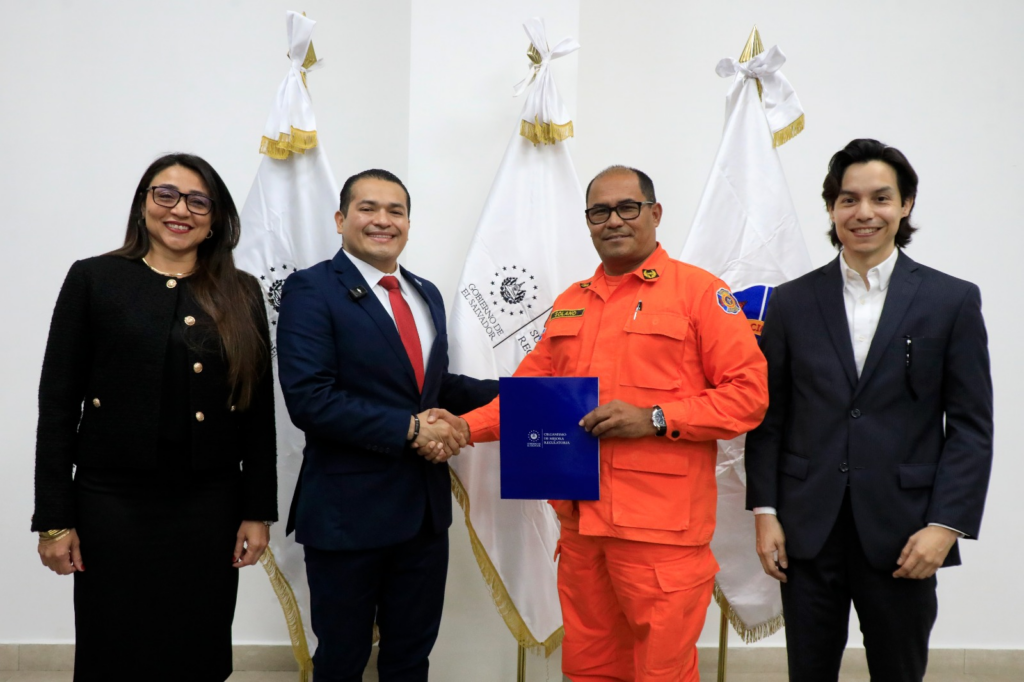
The agreement is part of the efforts promoted by Invest in El Salvador and has the support of the Regulatory Improvement Agency, institutions that have promoted sectoral technical working groups to improve administrative processes and facilitate business expansion.
Preventive approach and safety as a competitive advantage
Authorities emphasized that coordination between the two entities will strengthen risk prevention, particularly in facilities handling hazardous materials or sensitive industrial processes. The preventive approach aims to avoid incidents that could result in loss of life, environmental damage, and significant economic costs for businesses and the government.
Furthermore, the mutual recognition of inspections and overlapping requirements will allow establishments to gradually comply with regulations without interrupting operations, thus contributing to production continuity and market stability.
Modern regulation and digitalization of procedures
The memorandum of understanding includes four key components:
1. Coordination for joint inspections.
2. Exchange of information on certified establishments.
3. Recognition of common requirements among institutions.
4. Adaptation protocols to facilitate progressive compliance with regulations.
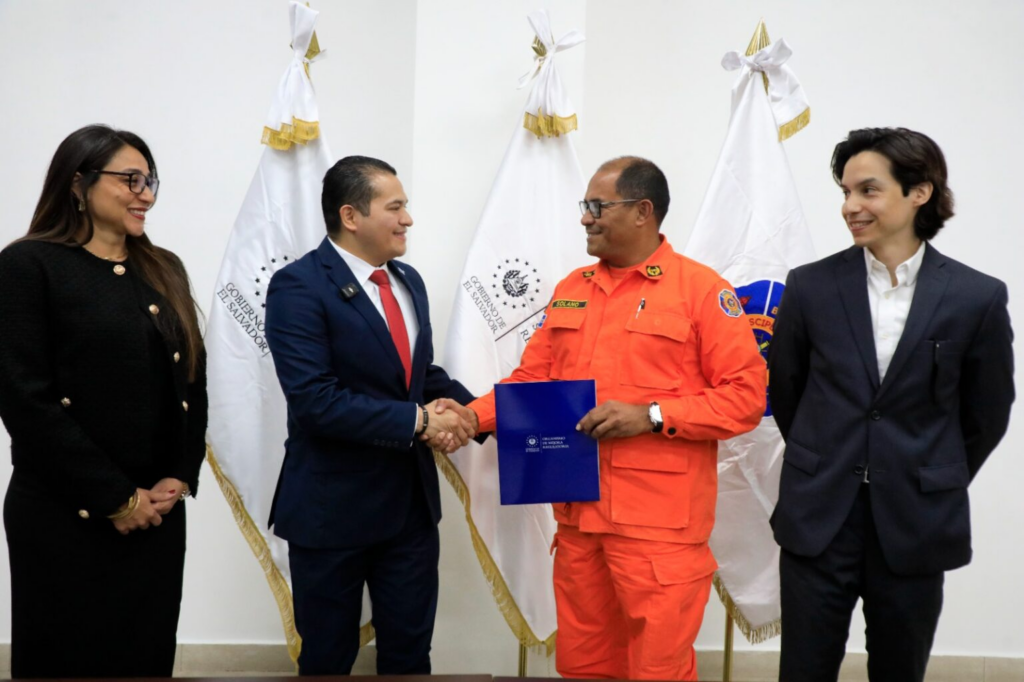
These measures complement the digitalization and administrative simplification processes implemented in recent years, which have optimized thousands of procedures within the public administration and improved the efficiency of the state apparatus.
A step towards a more efficient and pro-business state
Experts agree that regulatory modernization is a key factor in attracting foreign direct investment and fostering private sector expansion. Inter-institutional coordination, along with the reduction of bureaucratic barriers, strengthens the confidence of the productive sector and contributes to a more predictable and competitive business environment.
With this agreement, the authorities seek to consolidate a regulatory model that combines security, efficiency, and economic development, positioning El Salvador as an attractive destination for investment and business innovation.
You can also read: