

 A. M.
A. M. 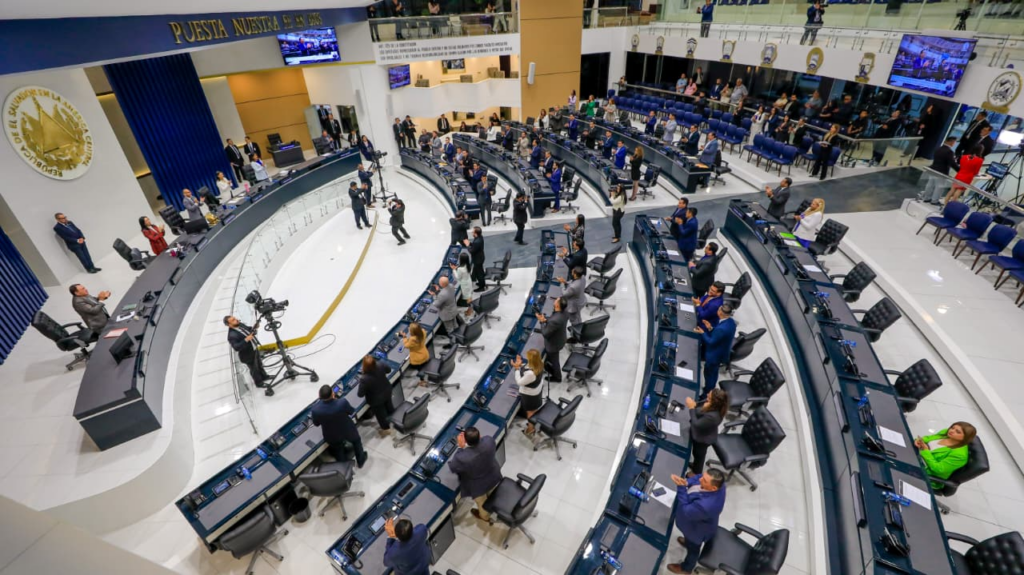
With 57 votes in favor, the Legislative Assembly amended the 2026 Budget Law to allocate US$6.2 million to the Ministry of Economy. These funds will be used for the Program for the Simplification and Digitization of Procedures, with the goal of reducing bureaucracy, streamlining public services, and facilitating economic activity in the country.
The amendment strengthens the program’s allocations, which constitute the first component of the Program for the Transformation of El Salvador’s Business Climate, aimed at facilitating trade and investment. The initiative seeks to simplify administrative processes, promote the digitization of government services, and improve institutional efficiency to encourage investment.
Source of funds
The US$6.2 million comes from a US$75 million loan that the Legislative Assembly authorized on june 13, 2023, for the Government to sign with the Corporación Andina de Fomento (CAF). The loan was signed on june 21 and ratified on july 4 of the same year.
These funds are part of the financing intended to modernize the functioning of the State and create more competitive conditions for the productive sector.

Modernization in at least 20 institutions
The program includes the development of computer systems that will automate processes in at least 20 public institutions involved in issuing permits and processing the necessary paperwork for businesses to operate.
Among the planned actions is the implementation of electronic signatures, with the aim of streamlining procedures and reducing response times.
The funds will allow for the contracting of specialized services to create and implement these digital systems in entities such as the Superintendencia de Regulación Sanitaria (SRS), Autoridad de Planificación del Centro Histórico de San Salvador (APLAN) and Instituto Salvadoreño del Seguro Social (ISSS).
In addition, licenses will be acquired to guarantee the operation and maintenance of the systems implemented at the SRS and APLAN.
Modernization of internal systems

The project also includes the updating, integration, and standardization of the institutional inventory system. This includes the incorporation of modules for the control of fixed assets, medications, and merchandise, in order to optimize internal management and improve service to both the public and the productive sector.
Likewise, supervision, auditing, and technical support services will be contracted to ensure proper project monitoring, guarantee quality, and promote the long-term sustainability of the digital platforms.
Expected impact
With this budget reform, the Government seeks to accelerate the digital transformation of the State, reduce the administrative burden for businesses and citizens, and strengthen the business climate. The simplification of procedures and the modernization of processes could translate into greater institutional efficiency, shorter waiting times, and better conditions for investment and the country’s economic development by 2026.
You can also read: