

 A. M.
A. M. 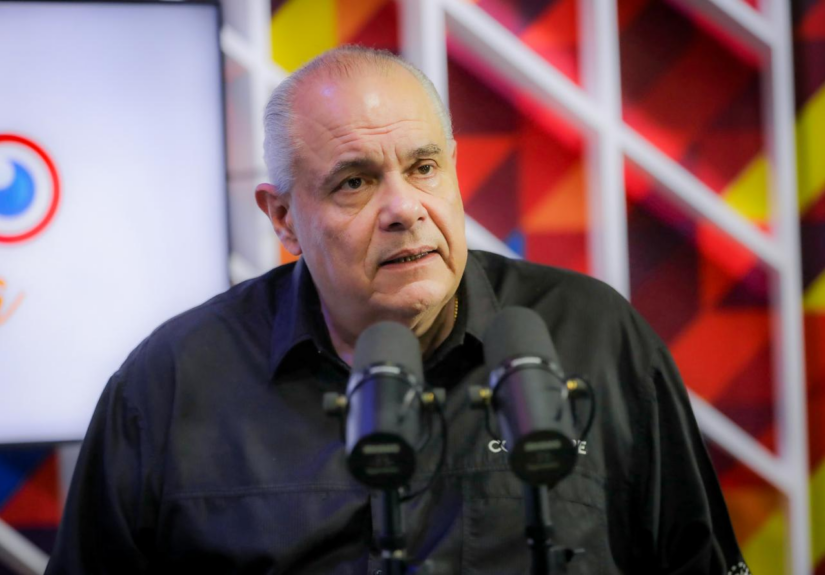
The president of the Comisión Nacional de la Micro y Pequeña Empresa (CONAMYPE), Paul Steiner, highlighted in a recent radio interview that in recent years there has been a growth of nearly 25% in the creation of neighborhood stores nationwide, a phenomenon he attributes primarily to the improved security climate and better access to financing for this type of business.
According to Steiner, most of these stores are family-run businesses, operated from home and, in many cases, led by women. Traditionally, this sector faced significant limitations in accessing formal credit due to its informal status, forcing many entrepreneurs to resort to informal lenders with high financial risks.
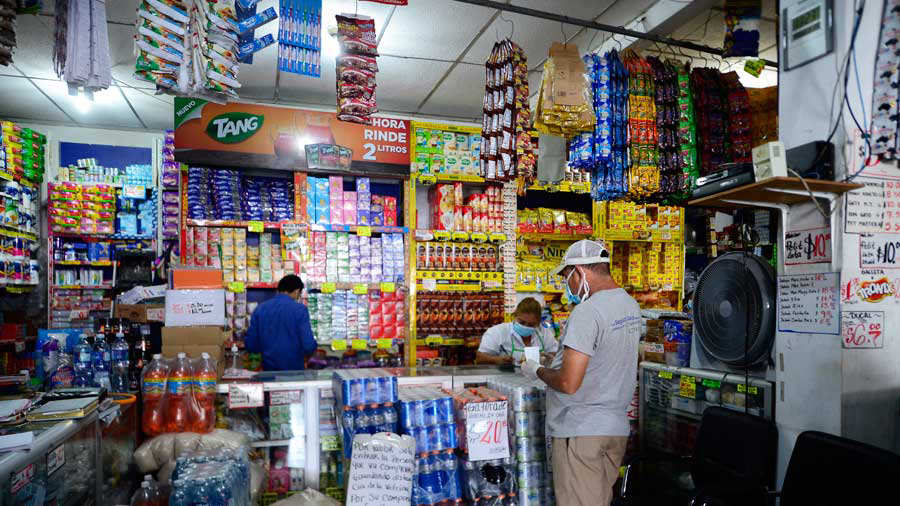
In this context, he highlighted the role of the Banco de Fomento Agropecuario (BFA), which has established credit lines of up to US$10,000 specifically for neighborhood stores. This financing allows small business owners to invest in working capital, product inventory, and improvements to their retail outlets, strengthening business sustainability and reducing reliance on informal financing mechanisms.
Steiner explained that these stores operate on a model of close ties to the community, flexible hours, and a product offering tailored to local needs, making them a key driver of the neighborhood economy. He also noted that strengthening business management skills is essential to ensuring the long-term viability of these businesses, as a lack of administrative knowledge and capital has been a major cause of early closure among microenterprises.

Finally, he indicated that the government’s inter-institutional work seeks to consolidate this growth by providing financial and technical tools that allow neighborhood stores to evolve, generate sustainable income, and contribute to boosting the local economy, especially in urban areas and communities where these businesses represent a direct source of employment and basic services.
You can also read: