


 A. M.
A. M. 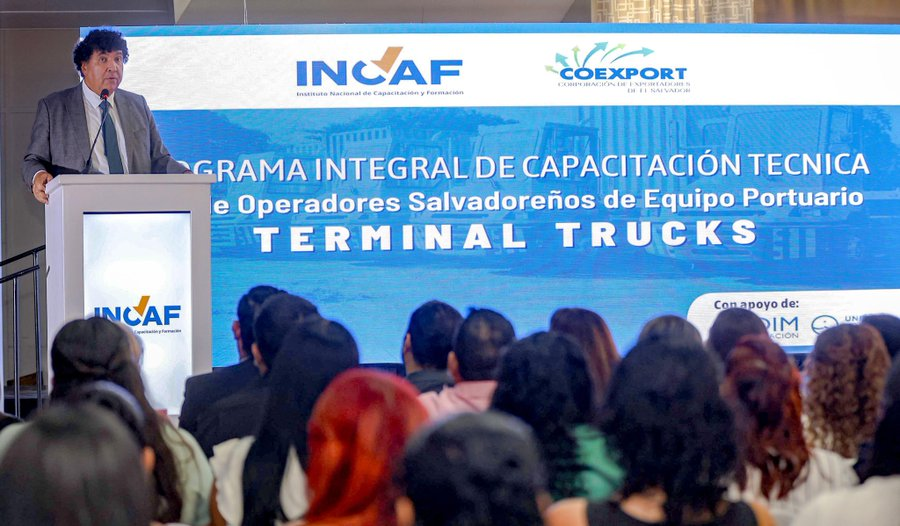
The country continues to advance its logistics modernization through strategic investments, port infrastructure upgrades, and the training of the human talent that will operate the new systems. In this context, the la Unión Portuaria del Pacífico, along with the Corporación de Exportadores de El Salvador (COEXPORT) and Instituto Nacional de Capacitación y Formación (INCAF), celebrated the graduation of the first generation of female terminal tractor operators, a significant milestone in the inclusion of women within the port sector.
The training program generated high interest: more than 600 people applied, and 230 were selected to begin the training process. Of these, 184 women and 22 men successfully completed the training, positioning themselves as a skilled workforce to fill positions at the Port of Acajutla and in the country’s growing logistics sector.

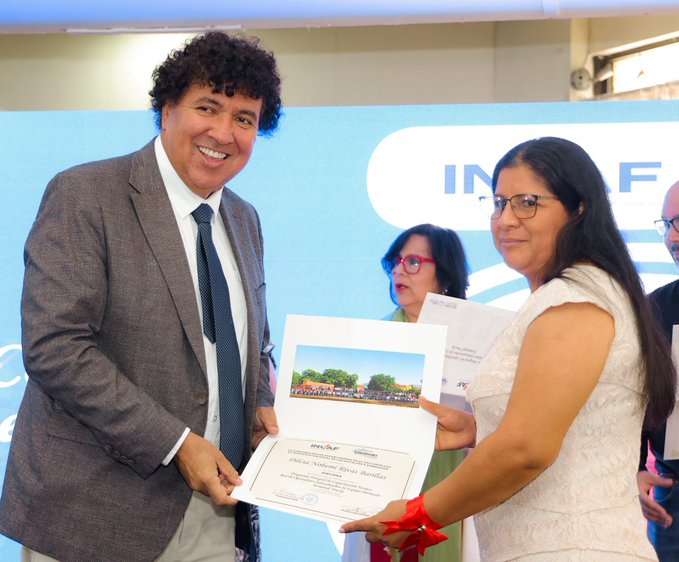
The initiative stood out for its gender focus, with 88% female participation. The graduates are between 18 and 59 years old and come from municipalities such as Acajutla, Sonsonate, Izalco, San Julián, Nahuizalco, Ahuachapán, and Guaymango.

Luis Canto, general manager of the Pacific Port Union, explained that this progress responds to the need to strengthen port operations through trained personnel.
“We identified the bottlenecks together with business chambers, importers, and exporters. One of them was inland freight transport, and this training directly addresses that need”, he said.

Paola Machuca, president of INCAF, highlighted the program’s impact on employment.“When training is timely, it opens up real opportunities for growth and employment. These more than 200 people not only acquired new skills but also transformed their professional profiles”, she said.
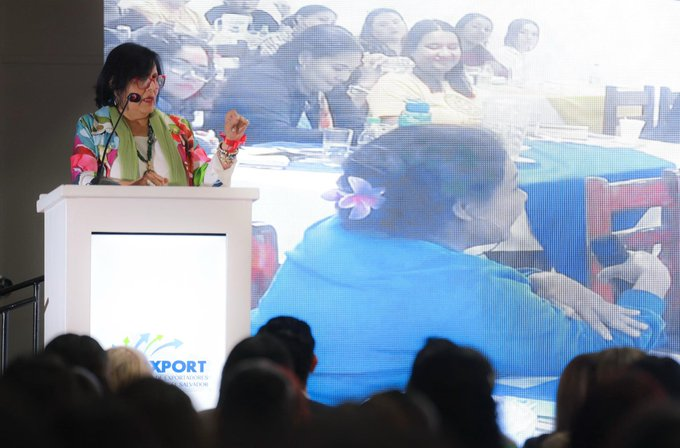
The president of COEXPORT, Silvia Cuéllar, emphasized the strategic value of this training.
“What we are celebrating is not just technical training. It is proof that El Salvador can prepare for port challenges with its own talent, trained and willing to contribute to foreign trade”, she said.
This initiative reinforces the logistics sector’s commitment to increasing port competitiveness and generating new job opportunities in an industry that is key to national economic dynamism.
You can also read: