

 A. M.
A. M. 
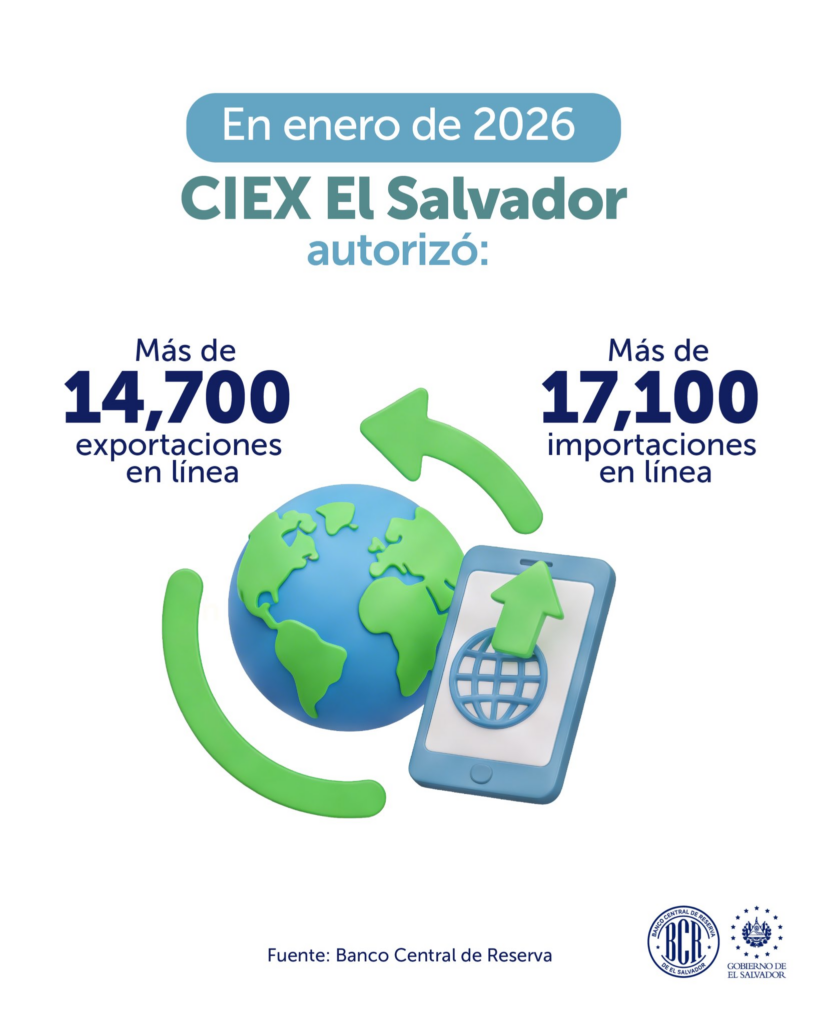
Salvadoran foreign trade began 2016 with a strong digital component. In january, the Centro de Trámites de Importaciones y Exportaciones (CIEX) authorized over 14,700 online exports and over 17,100 online imports, according to official data from the Banco Central de Reserva.
In total, over 31,800 electronic transactions were processed during the first month of the year, reflecting the growing importance of digital platforms in facilitating foreign trade.
Greater dynamism in imports
The figures show that imports surpassed exports in transaction volume, with a difference of approximately 2,400 transactions. This trend can be attributed to the supply of raw materials, intermediate goods, and finished products for the local market at the start of the year.
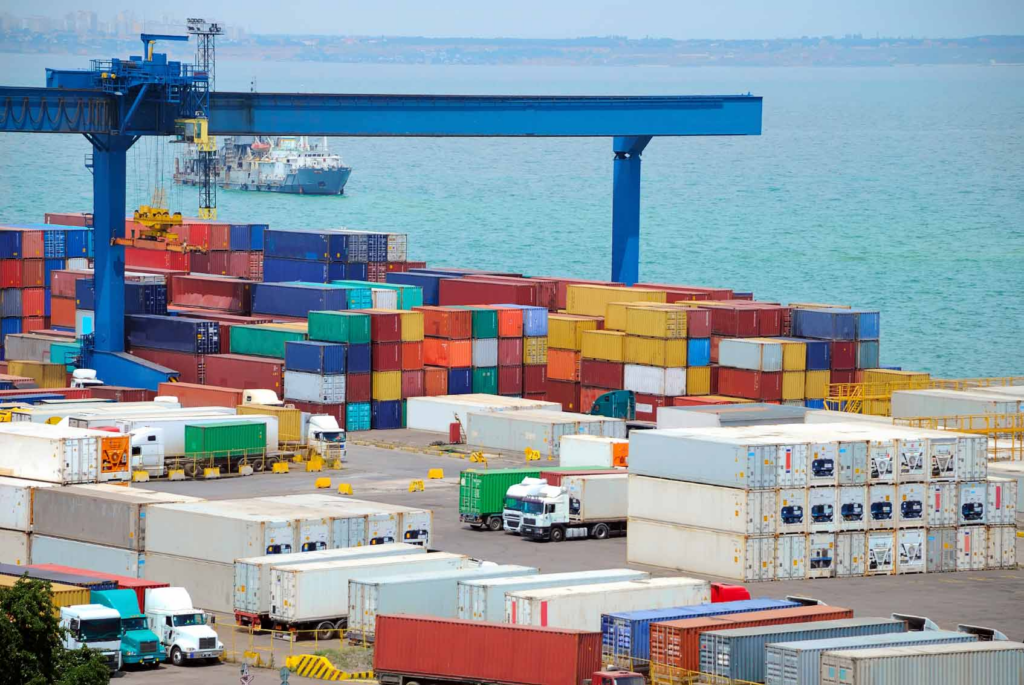
Meanwhile, the more than 14,700 exports managed online demonstrate the continuity of commercial activity toward international markets, supported by electronic processes that reduce time and administrative costs.
Digitalization as the cornerstone of foreign trade
The volume of authorizations processed entirely online confirms the consolidation of digitalization in customs and trade processes. The automation of permits and registrations not only streamlines the flow of goods but also strengthens traceability and institutional efficiency.
January’s performance marks an active start for the external sector, in a context where competitiveness increasingly depends on the simplification of procedures and interoperability between public institutions and private operators.
If this trend continues, the year could end with an even greater number of electronic transactions, consolidating CIEX’s role as a key platform in the management of salvadoran foreign trade.
You can also read: